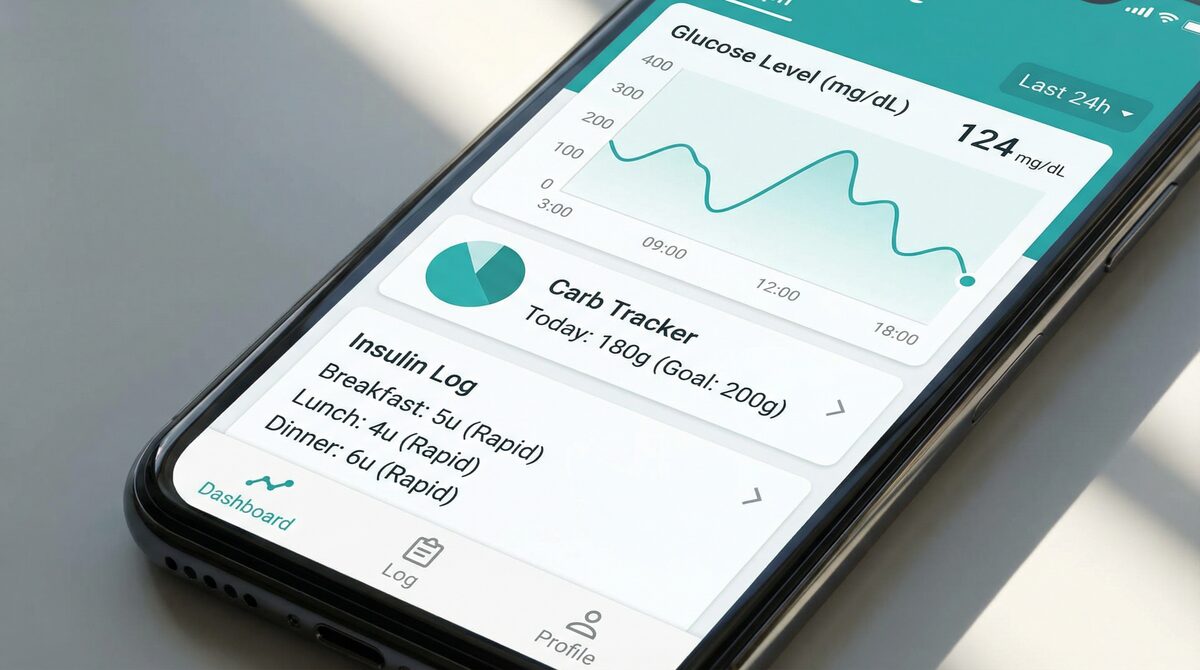
Hot weather can make diabetes harder to manage. Heat, humidity, dehydration, sunburn, disrupted routines, and damaged supplies can all affect glucose patterns and safety.
Quick summary
People with nerve or blood vessel complications may have more trouble cooling down. Some medicines, including diuretics, can also increase dehydration risk.
Key takeaways
- Drink water regularly unless your clinician has given fluid limits.
- Check glucose more often when heat, illness, or activity changes your routine.
- Keep insulin, medicines, meters, pumps, sensors, and strips out of direct heat.
- Do not put insulin directly on ice or a freezer pack.
How heat can change diabetes care
Dehydration can raise blood sugar, and high blood sugar can increase urination, which can worsen dehydration. Physical activity in heat can also change insulin needs and low-blood-sugar risk.
Heat can damage insulin and diabetes equipment. FDA storage guidance says insulin labels generally recommend refrigeration for unopened insulin and protection from direct heat and sunlight. Product-specific instructions still matter.
Practical cooling steps
- Use air conditioning or a cooling center during dangerous heat.
- Avoid outdoor exercise during the hottest part of the day.
- Carry water and low-blood-sugar treatment.
- Use sunscreen and protective clothing to reduce sunburn risk.
- Pack diabetes supplies in an insulated bag, but keep insulin away from direct ice contact.
Practical takeaway
In hot weather, protect both your body and your supplies. A small plan before leaving home can prevent a long day of glucose trouble.
Safety note
This article is not a substitute for medical care. Get medical help for heat stroke signs, confusion, fainting, severe dehydration, repeated vomiting, severe hypoglycemia, or very high glucose with ketone risk.
What to ask your care team
- How often should I check glucose during heat or outdoor activity?
- Which medicines or supplies need temperature protection?
- What heat symptoms should make me seek urgent care?
Related reading
Source summary
- Managing Diabetes in the Heat, Centers for Disease Control and Prevention. Patient guidance. Accessed June 5, 2026. Source
- Information Regarding Insulin Storage and Switching Between Products in an Emergency, U.S. Food and Drug Administration. Safety information. Accessed June 5, 2026. Source
- Treatment of Low Blood Sugar, Centers for Disease Control and Prevention. Patient guidance. Accessed June 5, 2026. Source
- Get Active, Centers for Disease Control and Prevention. Patient guidance. Accessed June 5, 2026. Source