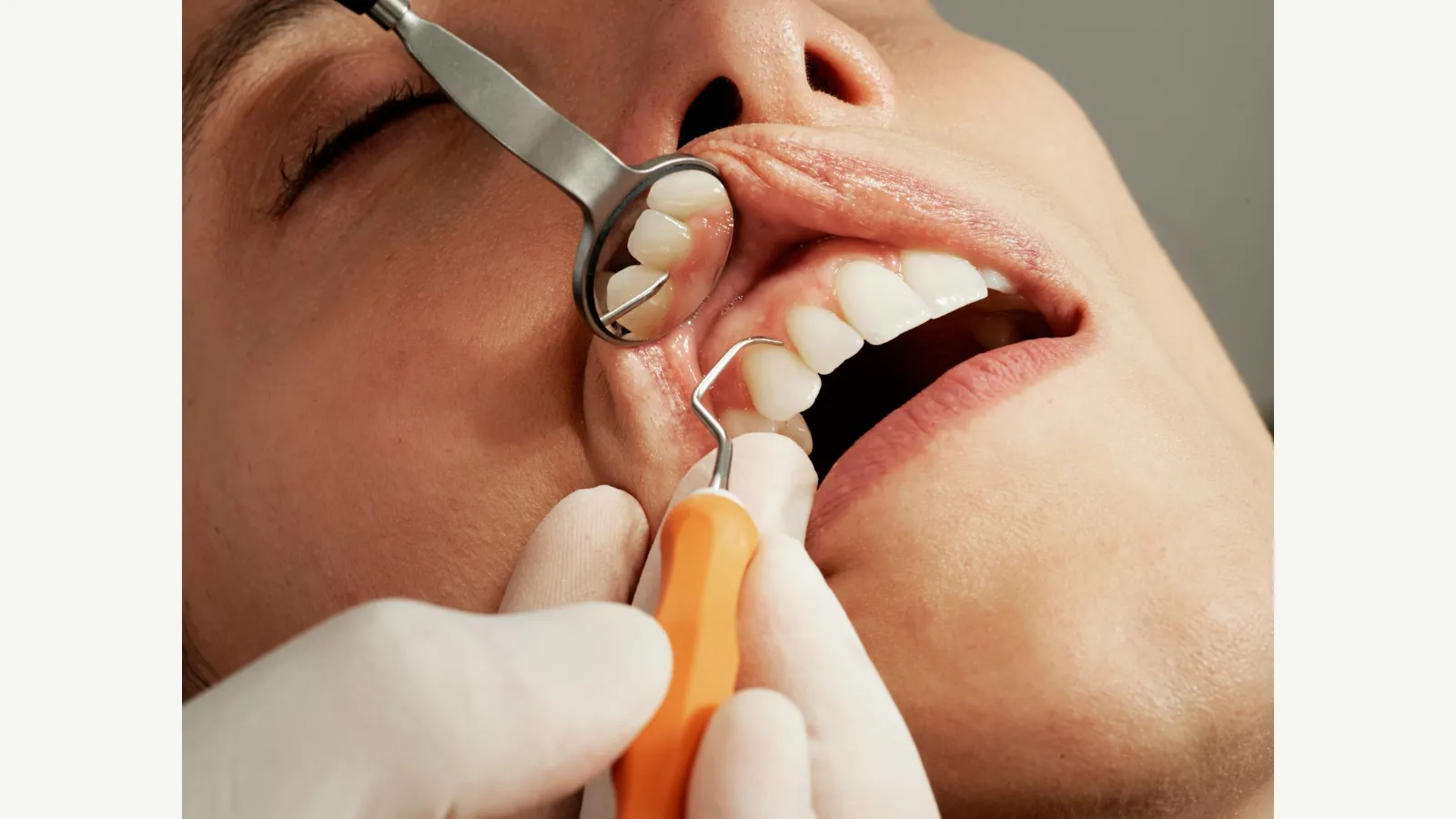
For adults with diabetes and anyone supporting their oral health.
Diabetes affects the mouth as well as the heart, kidneys, nerves and eyes. High glucose can increase glucose in saliva, reduce resistance to infection and slow healing. Gum disease can also make glucose management more difficult. The relationship works in both directions, which is why dental care belongs in routine diabetes care.
Quick answer
Brush twice daily with fluoride toothpaste, clean between teeth, attend regular dental examinations and tell the dental team that you have diabetes. Seek review for red, swollen or bleeding gums, loose teeth, persistent bad breath, dry mouth, pain, white patches or slow healing. Glucose management and smoking cessation also support oral health.
Key points
- Gum disease may be more severe and slower to heal in diabetes.
- Dry mouth increases the risk of discomfort, cavities and infection.
- Dental treatment should be coordinated when diabetes is unstable or surgery is planned.
- Bleeding gums are not a reason to stop gentle cleaning; they are a reason to seek advice.
How diabetes can affect the mouth
Periodontitis damages the tissues and bone supporting teeth. Early signs include bleeding, redness, swelling and bad breath. Later signs can include gum recession, loose teeth or changes in the bite. Diabetes is also linked with dry mouth, cavities, oral thrush and slower healing after procedures.
The US CDC notes that gum disease is more common and can be more severe in people with diabetes, and that high glucose can encourage cavities. This is increased risk, not a guarantee. Prevention and early treatment make a meaningful difference.
A practical dental-care routine
Brush effectively twice a day
Use fluoride toothpaste and a soft brush. Clean along the gumline without aggressive scrubbing. An electric brush may help people with dexterity problems.
Clean between teeth daily
Floss, interdental brushes or a water flosser may be appropriate depending on spacing, dental work and ability. Ask a dental professional to demonstrate the safest method.
Manage dry mouth
Sip water, review medicines that may contribute and consider sugar-free gum if safe for you. Avoid frequent sugary sweets or drinks used only to stimulate saliva. Persistent dryness deserves assessment.
Keep regular dental visits
Tell the dentist about diabetes, medicines, allergies, kidney or heart problems and recent glucose difficulties. Ask how often you need professional cleaning and examination.
Preparing for dental treatment
Do not stop diabetes medicine or change insulin without a plan. Ask whether eating will be restricted before or after treatment and how that affects medication timing. Bring glucose monitoring and hypo treatment. If you use anticoagulants or have significant complications, ensure the dental and medical teams have the necessary information.
Antibiotics are not routinely required simply because someone has diabetes. They are used when clinically indicated. Completing dental treatment and improving daily care is more useful than repeated unsupervised antibiotic courses.
What to tell the dental team
Bring an up-to-date medicine list, allergies, recent HbA1c if known, history of severe hypoglycaemia and details of heart, kidney or bleeding problems. Explain whether meals or medicines have fixed timing. If anxiety has previously affected glucose or caused you to miss treatment, say so before the procedure.
Ask whether you can eat normally beforehand, how long numbness may last and what food texture is recommended afterwards. Clarify whether an appointment time that fits your usual routine would reduce fasting or delayed meals. If sedation is planned, make sure both the dental and diabetes teams know.
A seven-day oral-health reset
On day one, replace a worn brush and check fluoride toothpaste. On day two, practise the recommended interdental method. On day three, note dry mouth, bleeding, pain or ulcers. On day four, remove frequent sugary drinks or lozenges used for dryness and ask about safer options. On day five, inspect dentures or retainers for rubbing. On day six, book overdue care. On day seven, decide which habit is realistic to continue.
This is not a substitute for treatment or a reason to wait seven days for help. A loose tooth, swelling, persistent bleeding or a mouth ulcer that does not heal needs dental assessment. Use the urgent and emergency routes below for an infection or rapidly worsening symptoms.
When oral symptoms affect diabetes care
Pain can reduce eating, infection can raise glucose and dental work may change meal timing. Use the sick-day plan when infection causes fever or glucose instability. People using insulin or medicines that can cause hypoglycaemia need a specific plan if chewing is difficult. Liquid or soft food still contains carbohydrate and should be included in treatment decisions.
Dry mouth can also make tablets hard to swallow and devices uncomfortable overnight. A dentist or clinician can review causes, protect teeth and suggest saliva-support measures rather than relying on sweets.
Ask the dentist to record a baseline for gums, teeth and dry mouth so change can be followed. Bring the next recommended review date into the same calendar used for eye, kidney and foot care.
Common mistakes to avoid
- Ignoring bleeding because it happens every time you brush.
- Skipping dental care until pain develops.
- Smoking or using other tobacco products.
- Taking frequent sugary lozenges for dry mouth.
- Assuming a dental infection cannot affect glucose.
Frequently asked questions
Can treating gum disease improve glucose?
Research suggests periodontal treatment may produce a modest improvement in glycaemic control for some people, but it does not replace diabetes treatment.
How often should I see a dentist?
At least annually is a common baseline, but people with active gum disease or other risk may need more frequent care. Follow the dental team’s recommendation.
Is a dry mouth always caused by high glucose?
No. Dehydration, medicines, salivary-gland disease, mouth breathing and other factors can contribute. Persistent symptoms should be assessed.
When to get urgent help
Call your local emergency number or go to an emergency department immediately if a dental or mouth problem makes breathing, speaking or swallowing difficult, causes major swelling in the mouth, prevents you opening your mouth, or causes a swollen or painful eye or a sudden change in vision. Do not wait for a routine dental appointment, and do not drive yourself.
Arrange urgent dental assessment for a suspected abscess, new facial or jaw swelling, fever with dental pain or worsening infection without those emergency signs. An abscess needs dental treatment; antibiotics alone or waiting for it to burst are not substitutes. If you cannot reach a dentist, use your local urgent dental service; in the UK, NHS 111 can help find care.
Uncontrolled heavy bleeding, collapse or signs of severe illness also require emergency help. If pain or vomiting prevents drinking, obtain urgent medical advice rather than waiting for a routine appointment. Monitor glucose and follow your individual sick-day plan during significant infection.
The bottom line
Oral health is part of diabetes health. Consistent cleaning, regular dental review, glucose management and early treatment of infection protect comfort, nutrition and long-term tooth support.
Related Living Diabetes guides
Sources and further reading
- NHS: Dental abscess, urgent dental care and emergency signs
- NHS: Dry mouth, self-care and assessment
- CDC: Oral health and diabetes
- CDC: Promoting oral health for people with diabetes
- NIDDK: Diabetes, gum disease and dental treatment planning
This article is for general education and does not replace dental or medical examination.