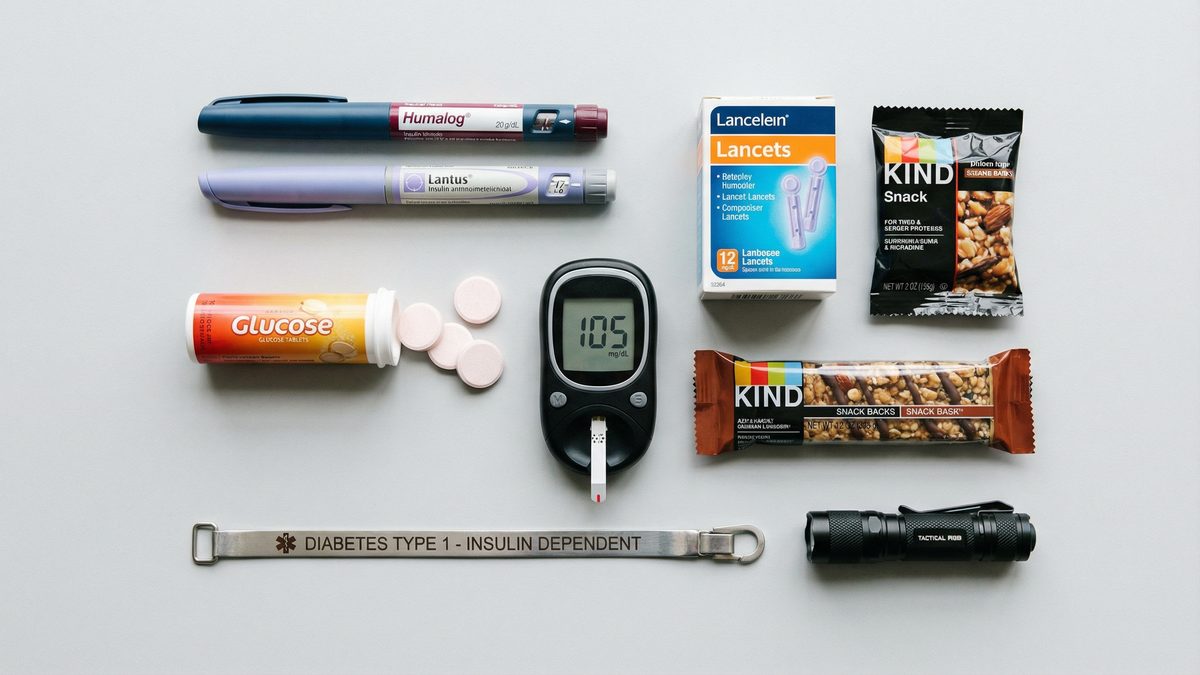
A diabetes emergency kit is not only for major disasters. It can help during power outages, travel delays, storms, illness, supply shortages, or a long day away from home.
Quick summary
The best kit is simple, current, and matched to your medicines and devices.
Key takeaways
- Pack medicines, glucose monitoring supplies, fast-acting carbohydrate, and backup device supplies.
- Include a medication list, clinician contact information, and prescription details.
- Insulin and some supplies need protection from heat and freezing.
- Review the kit regularly so expired items are replaced.
Core items to consider
- Diabetes medicines and backup supplies.
- Meter, strips, lancets, CGM supplies, pump supplies, batteries, and chargers if used.
- Fast-acting carbohydrate and longer-lasting snacks.
- Glucagon if prescribed and someone knows how to use it.
- Ketone supplies if your care plan recommends them.
- Water, medical ID, and a written sick-day plan.
Keep it realistic
A home kit, car kit, and travel kit may need different items. Do not store insulin or temperature-sensitive supplies in a hot car.
If you use an insulin pump, ask about a backup injection plan. If you use CGM, keep a meter available for confirmation when needed.
Practical takeaway
Build the kit around your real risks: lows, highs, illness, heat, power loss, travel delays, and device failure.
Safety note
This article is not a substitute for medical care. Seek urgent care for severe low blood sugar, ketones, vomiting, dehydration, confusion, chest pain, or symptoms that feel unsafe.
What to ask your care team
- What supplies should be in my emergency kit?
- Do I need glucagon or ketone testing supplies?
- What is my backup plan if my pump, CGM, or usual medicine is unavailable?
Related reading
Source summary
- Tips for Traveling With Diabetes, Centers for Disease Control and Prevention. Patient guidance. Accessed June 5, 2026. Source
- Managing Diabetes in the Heat, Centers for Disease Control and Prevention. Patient guidance. Accessed June 5, 2026. Source
- Low Blood Sugar, Centers for Disease Control and Prevention. Patient guidance. Accessed June 5, 2026. Source
- Insulin, Medicines, and Other Diabetes Treatments, National Institute of Diabetes and Digestive and Kidney Diseases. Patient guidance. Accessed June 5, 2026. Source