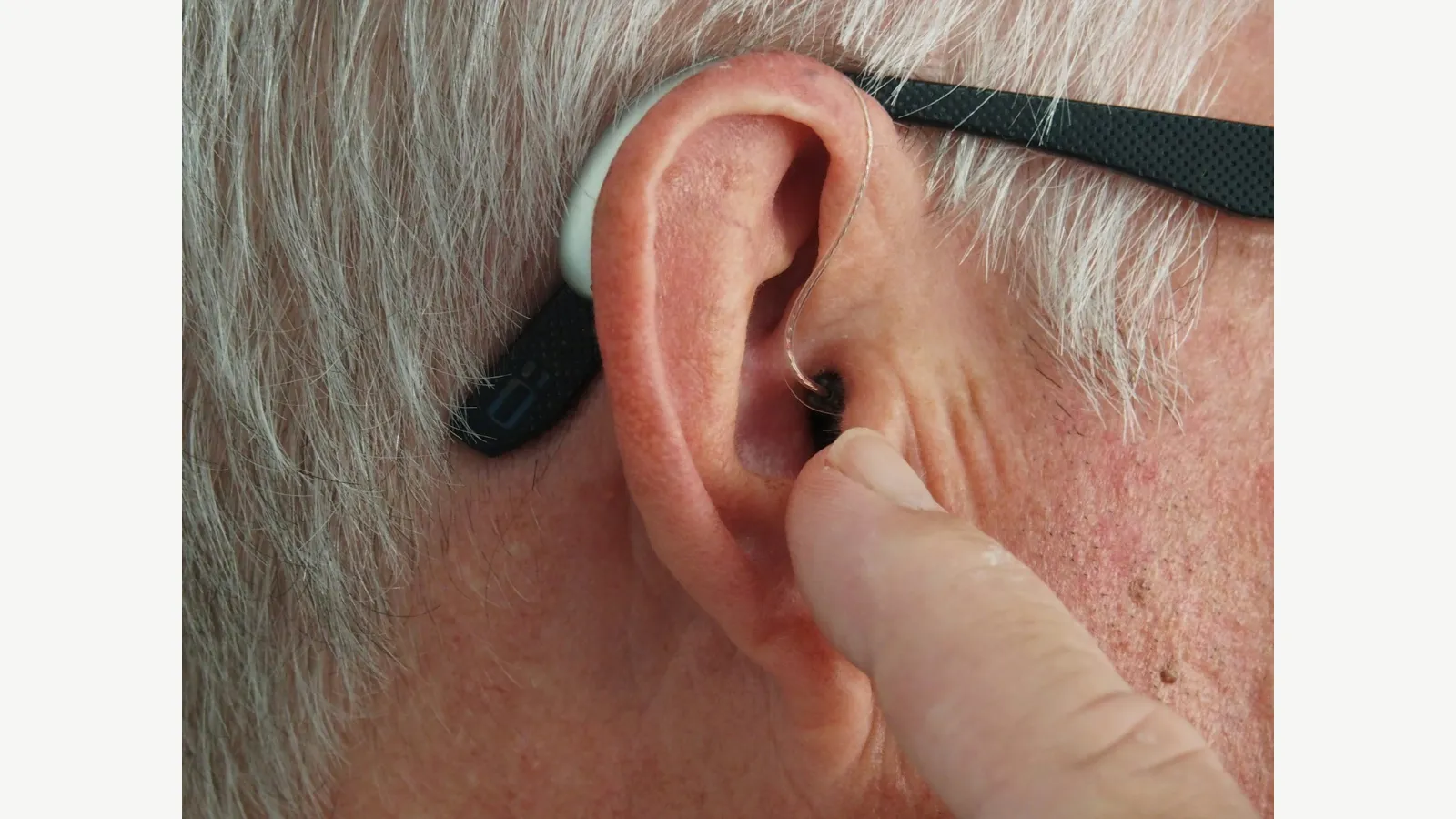
For adults with diabetes, families and carers noticing communication changes.
Hearing loss is not usually the first complication people associate with diabetes. Research and public-health guidance, however, recognise an association. High glucose may damage small blood vessels and nerves in the inner ear over time, while low glucose has also been studied as a possible contributor.
An association does not prove that diabetes caused one person’s hearing problem. Age, noise, earwax, infection, medicines and inherited conditions all matter.
Quick answer
If you have diabetes and notice difficulty following conversation, frequently turn up volume, hear ringing or struggle in noisy rooms, ask for a hearing assessment. The CDC recommends including hearing care in the wider diabetes team. Early testing can identify wax, middle-ear problems or sensorineural hearing loss and improve access to treatment and communication support.
Key points
- Hearing loss is often gradual and first noticed by family or colleagues.
- Ringing in the ears is a symptom, not a diagnosis.
- Hearing aids are one option among several communication supports.
- Sudden hearing loss is an emergency.
Signs that are easy to overlook
You may understand one-to-one speech but struggle in restaurants, meetings or groups. Voices may sound muffled, consonants may be missed, and fatigue may rise after listening. Repeatedly asking people to speak up can be misread as inattention or memory difficulty.
Tinnitus, imbalance, ear fullness, pain or discharge point to different possibilities and should be reported. Hearing changes can affect recognition of alarms, phone calls and instructions about diabetes treatment.
What a hearing assessment involves
Ear examination
A clinician checks for wax, infection, eardrum problems or another visible cause.
Audiometry
An audiologist measures the quietest sounds heard at different pitches and may test speech understanding. Results show the type and degree of hearing loss.
Review of medicines and exposures
Noise, previous infections, head injury and medicines that can affect hearing are considered. Do not stop a medicine without prescriber advice.
Communication needs
The assessment should ask what situations are difficult, not just report an audiogram. Work, driving, language, dexterity and technology preferences affect the plan.
Protecting hearing
Use hearing protection around loud tools, music or machinery, but choose equipment that still allows necessary safety communication. Keep personal-listening volume moderate and take breaks from noise. Manage glucose, blood pressure and lipids as part of overall vascular health.
For appointments, request a quiet room, written summaries, captions or a professional interpreter if needed. Hearing difficulty should not be mistaken for lack of understanding.
Make communication easier now
Face the person, reduce background noise and speak clearly at a normal pace. Shouting can distort speech. Good lighting helps lip and facial cues, while captions and written follow-up reduce the burden of remembering spoken details. In a group, ask one person to speak at a time.
At a diabetes appointment, tell staff about hearing needs before education or consent discussions begin. Ask them to confirm alarms, device tones and phone notifications are audible or have visual and vibration alternatives. Emergency instructions should be available in writing.
Family members can help by checking understanding without answering for the person. Hearing loss can lead to withdrawal, frustration and apparent memory problems; improving communication may change these experiences even before a device is fitted.
Comparing hearing-support options
The right option depends on the type and severity of loss, ear health, speech understanding, budget, dexterity and daily situations. It may include wax treatment, hearing aids, assistive listening devices, captioned phones, workplace changes or specialist referral. Cochlear implants are considered for selected severe losses, not as a routine first step.
Ask about trial periods, fitting, follow-up, batteries or charging, compatibility with phones and the total cost of maintenance. A device bought without support may remain in a drawer if it is uncomfortable or poorly adjusted. Follow-up fine-tunes sound and helps the brain adapt.
Protecting safety and independence
Check smoke, carbon-monoxide and door alarms for visual or vibrating alerts where needed. Use captions for telehealth and make sure clinicians do not assume silence means agreement. At work, a hearing-related accommodation may include written instructions, quieter meeting space or assistive equipment.
Review hearing support when communication demands change. A device that works at home may be inadequate in meetings, worship, education or noisy family gatherings. Bring those specific situations to the audiologist so adjustments are tied to daily function.
Common mistakes to avoid
- Waiting until hearing loss is severe because it seems like normal ageing.
- Cleaning deep inside the ear with cotton buds or other objects.
- Buying an unregulated device without assessment of sudden, one-sided or complicated symptoms.
- Ignoring hearing barriers during diabetes education.
- Assuming tinnitus means permanent hearing loss.
Frequently asked questions
Does better glucose control restore hearing?
It supports overall vascular and nerve health but may not reverse established hearing loss. A hearing test is still needed.
How often should hearing be tested?
The CDC includes a yearly hearing check in its general diabetes care schedule. Symptoms, an abnormal result or individual risk may require earlier or more frequent testing, so follow the interval recommended by your clinician or audiologist.
Are over-the-counter hearing aids suitable?
They may help some adults with perceived mild-to-moderate hearing loss where available, but sudden, one-sided, painful or complex symptoms need professional evaluation first.
When to get urgent help
Sudden hearing loss in one or both ears, especially over hours or a few days, needs urgent medical assessment. Also seek prompt care for severe dizziness, neurological symptoms, head injury, ear discharge or intense pain.
The bottom line
Hearing deserves a place in diabetes care because it affects safety, relationships and the ability to use health information. Notice the early signs, test rather than guess, and adapt communication as part of treatment.
Related Living Diabetes guides
Sources and further reading
- CDC: Hearing loss and diabetes
- CDC: Your diabetes care schedule
- CDC: Your diabetes care team
- NIDCD: Adult hearing health care
This article is for general education and does not diagnose hearing loss.