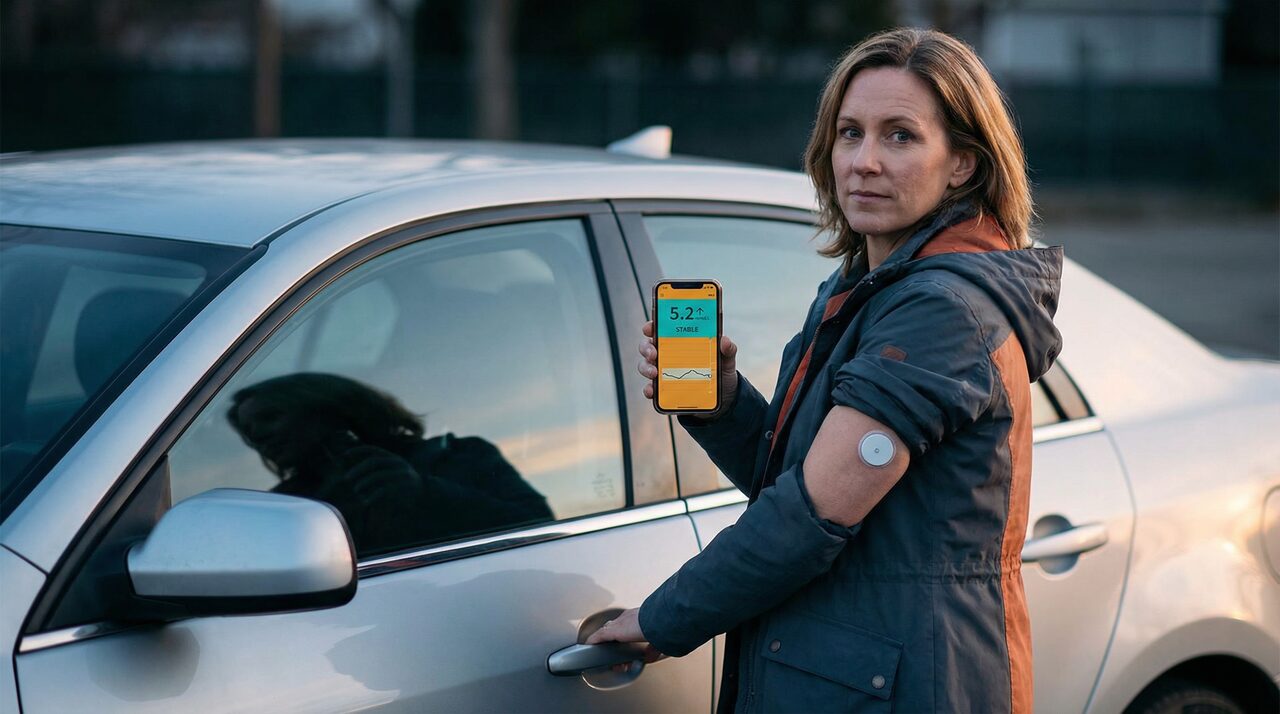
Getting behind the wheel offers a sense of freedom and independence, but for individuals living with diabetes, maintaining adequate vision and hypoglycemia awareness is important for driving safety. Diabetes can subtly impact your eyes, potentially leading to vision changes that might affect your ability to drive safely. Understanding these risks and taking proactive steps can help you stay confident and secure on the road.
Key takeaways
- Book routine eye checks even when your vision feels normal.
- Seek urgent eye care for sudden vision loss, new floaters, flashes, pain, or major blurring.
- Blood glucose, blood pressure, and cholesterol goals should be personalized with your care team.
Why this matters when you live with diabetes
Diabetes can affect the tiny blood vessels in your eyes, a condition known as diabetic retinopathy. This complication can cause blurry or cloudy vision, and in its early stages, it often presents with no noticeable symptoms. Over time, however, diabetic retinopathy can progress, leading to more significant vision impairment. Changes such as increased glare sensitivity, difficulty seeing in low light, or reduced peripheral vision can directly impact your driving ability, making it harder to spot road signs, judge distances, or react to unexpected situations, especially when dealing with oncoming headlights.
What to do before you start the engine
Prioritizing your eye health is paramount when you have diabetes. An important step is to attend comprehensive dilated eye exams or retinal photography at the interval recommended for your situation. These examinations allow your eye care professional to detect any changes in your eyes early, often before you experience any symptoms. Beyond regular check-ups, working toward individualized glucose, blood pressure, and cholesterol goals can lower the risk of developing or worsening diabetic eye disease, but it does not by itself determine legal fitness to drive. It is also wise to familiarize yourself with your local Department of Motor Vehicles (DMV) or licensing agency’s vision and medical requirements, as these vary by region and may include specific visual acuity and visual field standards. This article does not describe legal rules for any particular country or state, so confirm the regulations that apply where you live. Some licensing authorities have medical or vision reporting rules, but requirements vary widely by jurisdiction. This article is not a driving clearance decision, and it does not determine legal fitness to drive.
Practical steps you can use this week
- If you haven’t already, schedule your annual comprehensive eye exam with an optometrist or ophthalmologist.
- Always wear your prescribed corrective lenses, if applicable, and consider using sunglasses to reduce glare, especially during bright conditions or when driving towards the sun.
- Monitor your blood sugar levels diligently, particularly before driving. Hypoglycemia can slow thinking, impair judgment and coordination, blur vision, and in severe cases cause loss of consciousness, so do not start or continue driving if you feel low or if your glucose is below the safe range in your personal plan.
- If you experience glare, reduced vision in low light, or uncertainty about driving safety, ask an eye care professional and follow local licensing rules before driving at night or during adverse weather. If night driving is unavoidable, ensure your headlights are clean and properly aimed, and increase your following distance to allow more reaction time.
- Keep a readily accessible supply of fast-acting carbohydrates in your vehicle to treat potential hypoglycemia quickly. Always pull over to a safe location before treating low blood sugar.
- Regularly clean your car’s windshield and mirrors, both inside and out, to maximize visibility.
When to call your healthcare professional
Certain vision changes warrant immediate attention from your healthcare team. Contact your doctor or eye care specialist without delay if you experience any sudden blurred or distorted vision, flashes of light, new floaters (specks or cobwebs that drift across your vision), impaired color vision, or any sudden loss of vision. These could be signs of diabetic eye disease or other serious eye conditions that require prompt treatment, potentially preserving your vision and driving ability. It’s also crucial to be aware of less dramatic but persistent changes, such as increasing difficulty with night vision or adapting to changes in light. Furthermore, if you ever feel unsafe driving due to vision concerns, or if you have a near-miss accident that you suspect was related to your vision, it is an urgent trigger to discuss these issues with your healthcare professional. Do not wait for your next scheduled appointment if you notice significant changes that impact your daily activities, especially driving.
Questions to ask at your next visit
To ensure you are proactively managing your driving safety and eye health, consider asking your healthcare professional these questions at your next appointment:
- What vision findings, hypoglycemia concerns, or licensing rules should I consider before driving?
- Are there any signs of diabetic retinopathy or macular edema in my eyes?
- If I do have diabetic eye disease, what treatment options, such as anti-VEGF injections or laser therapy, might be suitable for me?
- Where can I find the current driving vision and medical rules for the place where my license is issued?
Medical note: This article is for education only and does not replace care from your healthcare professional. If you use insulin or medicines that can cause low blood glucose, are pregnant, have kidney disease, heart disease, vision problems, neuropathy, or other diabetes-related complications, discuss changes to food, activity, medicines, devices, or travel plans with your diabetes care team.