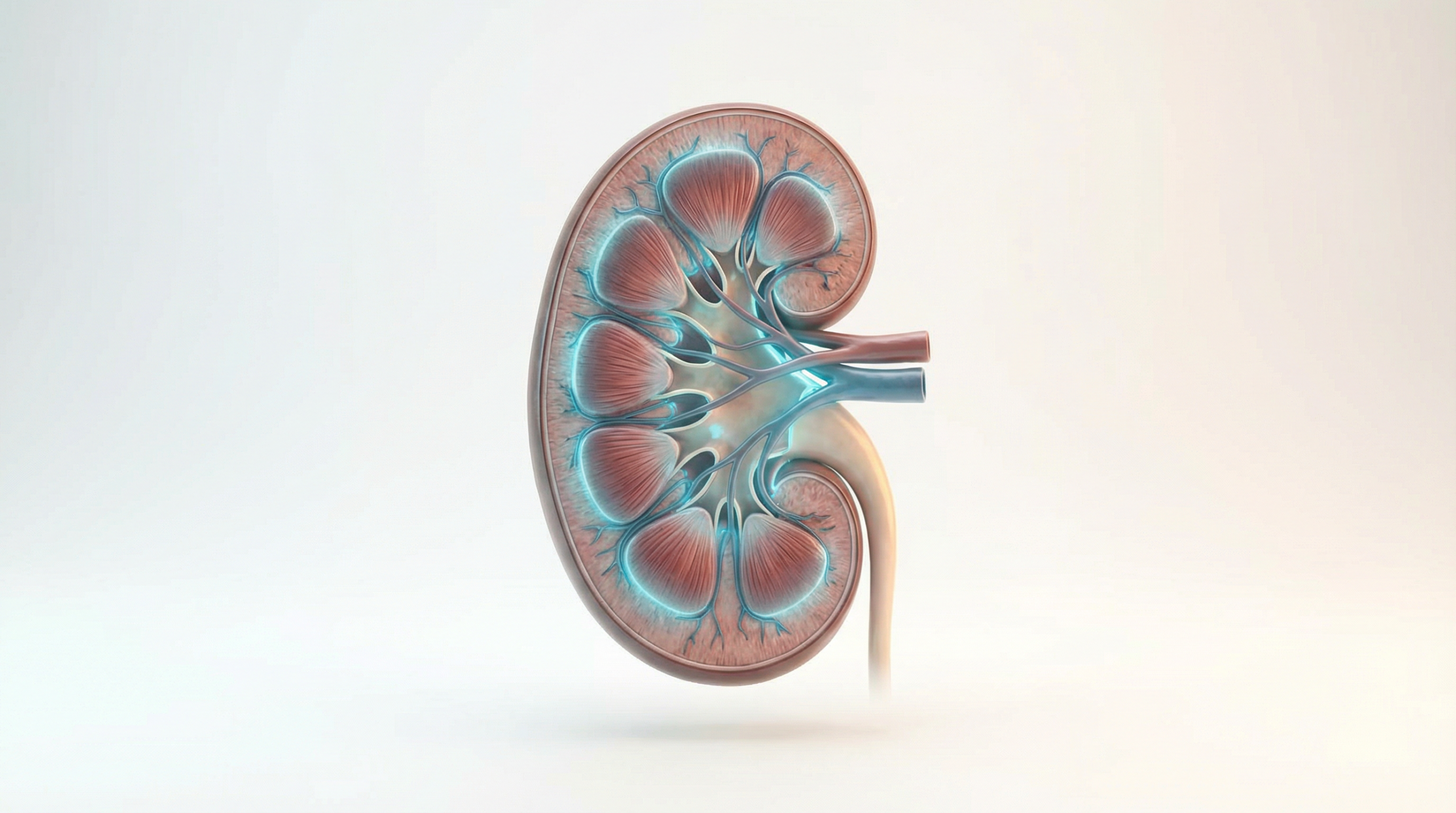
Finerenone, sold as Kerendia, is a nonsteroidal mineralocorticoid receptor antagonist used for adults with chronic kidney disease associated with type 2 diabetes.
Quick summary
It is not a general diabetes pill and it is not a replacement for glucose, blood pressure, cholesterol, SGLT2 inhibitor, or kidney-care planning when those are appropriate.
Key takeaways
- The FDA approved finerenone to reduce certain kidney and heart risks in adults with CKD associated with type 2 diabetes.
- Potassium and kidney function monitoring matter.
- High potassium is an important safety concern.
- Strong CYP3A4 inhibitors and some medical conditions can make use unsafe.
Why monitoring matters
Finerenone can raise potassium. That is why clinicians check potassium and kidney function before and during treatment. People taking ACE inhibitors, ARBs, potassium supplements, certain diuretics, or other medicines may need careful review.
The decision is usually based on kidney disease stage, albumin in the urine, potassium level, blood pressure plan, and other heart and kidney risk factors.
Questions before starting
- What is my eGFR and urine albumin-to-creatinine ratio?
- Is my potassium safe for this medicine?
- Which medicines or supplements could raise potassium?
- How soon should labs be repeated?
- What symptoms should make me call?
Practical takeaway
Finerenone can be useful for the right kidney-risk profile, but the safety work is in the lab monitoring and medicine review.
Safety note
This article is not a substitute for medical care. Seek urgent care for severe weakness, chest pain, fainting, severe dizziness, or symptoms that feel unsafe. Call your clinician for lab changes or medicine interactions.
What to ask your care team
- Do I meet the kidney criteria for finerenone?
- How will potassium be monitored?
- Which medicines should be reviewed for interactions?
Related reading
Source summary
- FDA Approves Kerendia for CKD Associated With Type 2 Diabetes, U.S. Food and Drug Administration. Regulatory summary. Accessed June 5, 2026. Source
- Kerendia Prescribing Information, U.S. Food and Drug Administration. Prescribing information. Accessed June 5, 2026. Source
- Chronic Kidney Disease and Risk Management: Standards of Care in Diabetes 2026, American Diabetes Association. Clinical guideline. Accessed June 5, 2026. Source
- Cardiovascular Disease and Risk Management: Standards of Care in Diabetes 2026, American Diabetes Association. Clinical guideline. Accessed June 5, 2026. Source