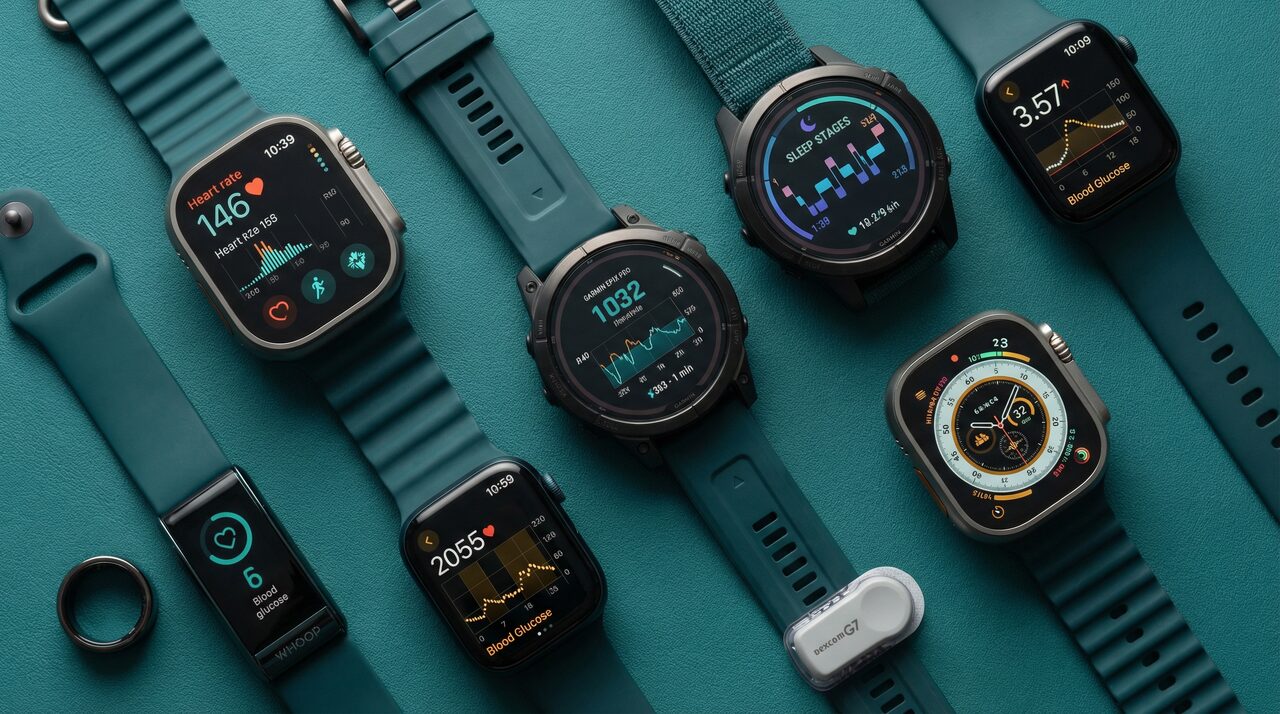
Fitness trackers can make movement more visible. Steps, active minutes, heart rate trends, reminders, sleep estimates, and workout logs may help some people notice patterns and stay motivated.
Quick summary
A tracker is not the same as a glucose meter, CGM, insulin pump, or medical advice. Some wearable features are general wellness tools, while others may be regulated medical-device functions depending on claims and use.
Key takeaways
- Choose features that match your actual goal.
- Step count is useful for some people, but not everyone can or should chase the same number.
- Heart rate and sleep estimates can be imperfect.
- Do not use a fitness tracker to make insulin or medicine decisions unless your clinician says a specific device and data are appropriate.
Useful features to compare
- Comfort and battery life, because the device only helps if you wear it.
- Water resistance if you sweat, swim, or live in hot weather.
- Clear activity reminders that do not feel shaming.
- Compatibility with your phone and any diabetes apps you already use.
- Easy-to-read screens, accessibility options, and privacy settings.
Where trackers can mislead
Calorie estimates are often rough. Sleep stages and stress scores may not be accurate enough to guide medical decisions. Heart rate can be affected by fit, skin, movement, rhythm problems, caffeine, medicines, and illness.
Use tracker data as a conversation starter. If activity causes lows, pain, chest symptoms, or foot problems, the next step is care-team review, not simply pushing harder.
Practical takeaway
The best tracker is the one that helps a realistic habit without replacing glucose checks, foot safety, or clinical judgment.
Safety note
This article is not a substitute for medical care. Stop exercise and seek medical help for chest pain, fainting, severe shortness of breath, severe hypoglycemia, or foot wounds that worsen.
What to ask your care team
- Which activity metric should I track?
- Can my exercise data help adjust my diabetes plan safely?
- Which privacy settings should I review before sharing health data?
Source summary
- Get Active, Centers for Disease Control and Prevention. Patient guidance. Accessed June 5, 2026. Source
- General Wellness: Policy for Low Risk Devices, U.S. Food and Drug Administration. Guidance document. Accessed June 5, 2026. Source
- How to Determine if Your Product is a Medical Device, U.S. Food and Drug Administration. Device guidance. Accessed June 5, 2026. Source
- Treatment of Low Blood Sugar, Centers for Disease Control and Prevention. Patient guidance. Accessed June 5, 2026. Source