For people with type 1, type 2 or gestational diabetes and their families.
Influenza is more than a bad cold. People with diabetes have a higher risk of serious flu complications, even when diabetes is usually well managed. Fever, stress hormones, poor appetite and dehydration can all make glucose less predictable. The practical response is to prepare before anyone in the household becomes ill.
Quick answer
The US Centers for Disease Control and Prevention recommends annual injectable flu vaccination for people with diabetes and advises prompt contact with a healthcare professional when flu is suspected. People with diabetes should have a written sick-day plan that explains medication, glucose and ketone monitoring, fluids, food, and when to seek urgent care. Guidance differs by age, diabetes type, pregnancy, kidney function and treatment, so confirm the details with your own team.
Key points
- Annual flu vaccination lowers the chance of severe influenza and its complications.
- Illness can cause either high or low glucose, especially when eating changes.
- Antiviral treatment works best when started early and may be recommended promptly for high-risk people.
- Never stop insulin without specific clinical advice.
Why flu can disrupt diabetes
When the immune system responds to infection, hormones can raise glucose. At the same time, nausea, vomiting or reduced appetite may lower glucose or make usual insulin-to-food matching difficult. Fever and rapid breathing increase fluid loss. In type 1 diabetes and other conditions with too little effective insulin, illness can increase the risk of ketones and diabetic ketoacidosis.
Flu can also lead to pneumonia, worsening heart or kidney disease, and hospital admission. The CDC reports that diabetes is common among adults admitted to hospital with influenza. This is why vaccination and early treatment matter.
Prepare before flu season
Review vaccination with a clinician or pharmacist
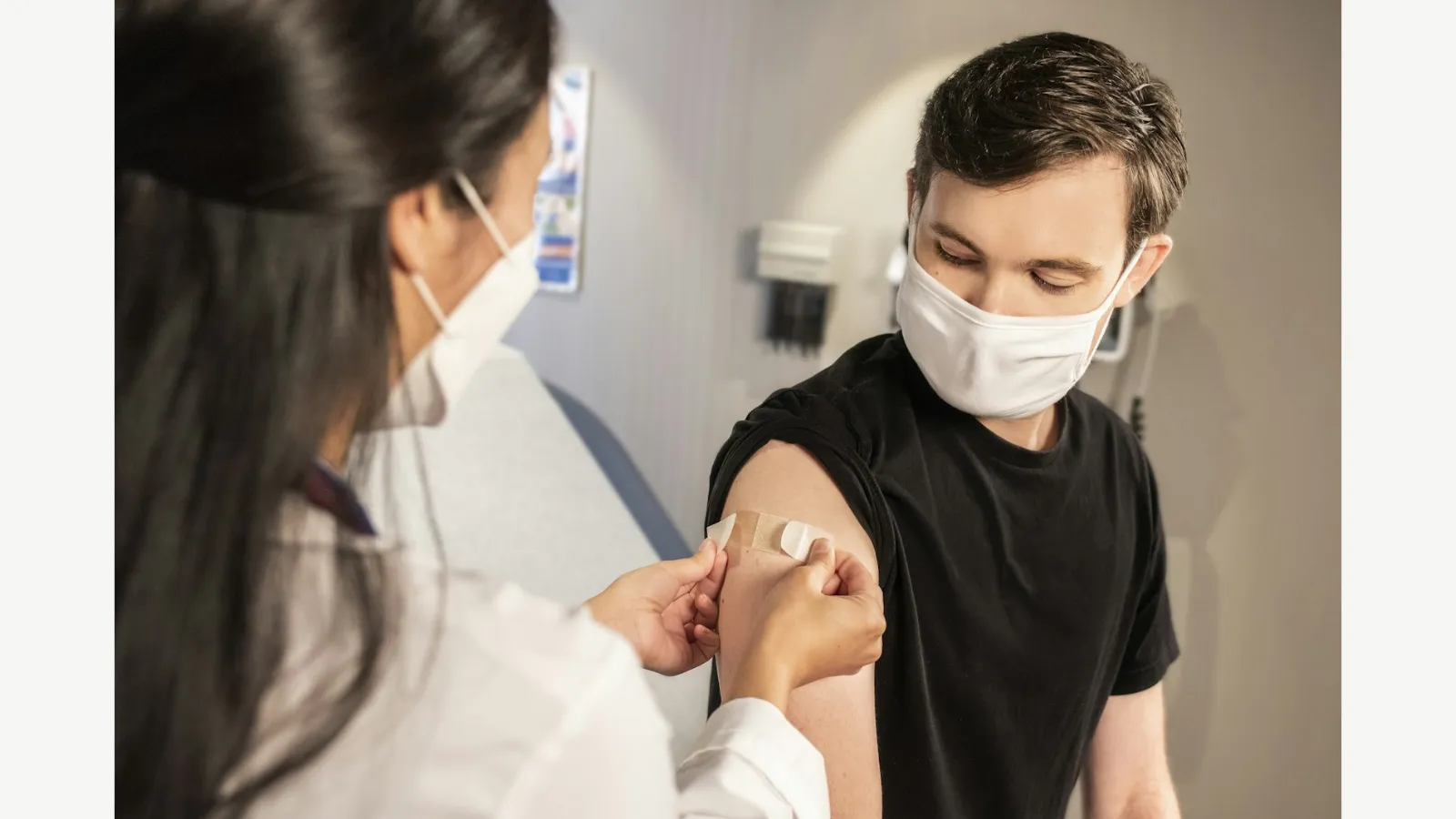
Current guidance recommends an injectable influenza vaccine for people with diabetes. The exact product may depend on age, pregnancy, allergies, previous reactions and local availability. The nasal spray is a live attenuated vaccine and is generally not recommended for people with diabetes under CDC guidance. Ask about other routine vaccines at the same visit.
Put the sick-day plan in writing
Your plan should state which medicines to continue, which may need temporary review, how often to check glucose, when to check ketones, and who to call. Some medicines require special advice during dehydration or reduced food intake. Do not guess or rely on a generic online list.
Build a small sick-day kit
Keep a thermometer, glucose supplies, ketone tests if recommended, fluids, easy-to-tolerate carbohydrate sources, medication list and contact numbers together. Check expiry dates. People using pumps or continuous glucose monitoring should also have a backup method of insulin delivery or glucose testing according to their individual plan.
Know how to seek early treatment
If flu symptoms begin, contact a healthcare professional promptly. Antiviral treatment may be advised without waiting for a test result, particularly for people at higher risk of complications. Do not use leftover antivirals or another person’s prescription.
Managing diabetes while unwell
Check glucose as often as your sick-day plan recommends. Continue drinking small amounts frequently if normal intake is difficult. If you use insulin, continue it unless a clinician gives different instructions. Check ketones when indicated, even if glucose is not dramatically high, because illness and some medicines can alter typical patterns.
Read over-the-counter labels carefully. Cough and cold products may contain sugar, decongestants or anti-inflammatory medicines that are unsuitable for some people. A pharmacist can help identify an option that fits your conditions and prescriptions.
A realistic sick-day sequence
Imagine waking with fever, body aches and a cough. First, check glucose and follow the ketone instructions in your written plan. Take usual medicines unless the plan or a clinician tells you differently; insulin should not simply be stopped because breakfast is smaller than usual. Start fluids early, before thirst and nausea make drinking difficult.
Next, contact a clinician, pharmacy service or urgent-care line promptly and explain that you have diabetes, when symptoms began, what your readings are doing and whether you can eat and drink. This is the point to ask about influenza testing and antiviral treatment. Waiting until the illness is severe can miss the period when treatment is most useful.
During the day, record readings, fluids, symptoms and medicines in one place. Small, regular sips may be easier than a large drink. Use carbohydrate-containing fluids or simple foods if your plan calls for them and normal meals are not possible. If a sensor result does not fit your symptoms or glucose is changing quickly, use the backup check recommended for your device.
Finally, arrange support. Someone else can collect prescriptions, check in by phone or help with children and meals. If you live alone, tell a trusted person you are unwell. A sick-day plan is safer when another person knows when you have stopped replying or are becoming confused.
Questions to settle before anyone is ill
- Which number should I call during the day, overnight and at weekends?
- When should I test blood or urine ketones, and what result requires help?
- Which medicines need review if I am vomiting, dehydrated or unable to eat?
- What fluids and easy foods suit my treatment plan?
- Who can collect a prescription or stay with me if symptoms worsen?
Common mistakes to avoid
- Waiting several days before asking about antiviral treatment.
- Stopping insulin because little food is being eaten.
- Drinking too little because glucose is high or urination is frequent.
- Assuming a continuous glucose monitor is always accurate during rapid change without following the backup-check plan.
- Taking combination cold remedies without checking ingredients.
Frequently asked questions
Can the flu vaccine give me flu?
Injectable flu vaccines do not contain live influenza virus capable of causing flu. Temporary arm soreness, fatigue or mild fever can occur as the immune system responds.
What if I am vaccinated but still get flu?
Vaccination is not perfect, but it can reduce severity and complications. People with diabetes should still contact a clinician promptly if flu is suspected.
How often should I check glucose when ill?
Follow your personal sick-day plan. The frequency depends on diabetes type, medicine, symptoms and glucose pattern. If you do not have written instructions, ask your team before the next illness.
When to get urgent help
Seek urgent care for difficulty breathing, chest pain, confusion, severe weakness, inability to keep fluids down, signs of dehydration, persistent very high or low glucose, moderate or high ketones, or suspected diabetic ketoacidosis. In pregnancy, childhood, frailty or significant kidney disease, use a lower threshold for clinical advice.
The bottom line
Flu preparation has three parts: vaccination, a written sick-day plan and early contact when symptoms start. Those steps are more useful than trying to improvise medication and fluid decisions while already unwell.
Related Living Diabetes guides
Sources and further reading
- CDC: Flu and people with diabetes
- ADA Standards of Care 2026: Comprehensive medical evaluation and immunisations
- CDC: Manage blood sugar
This article is for general education and does not replace an individual sick-day plan or medical care.