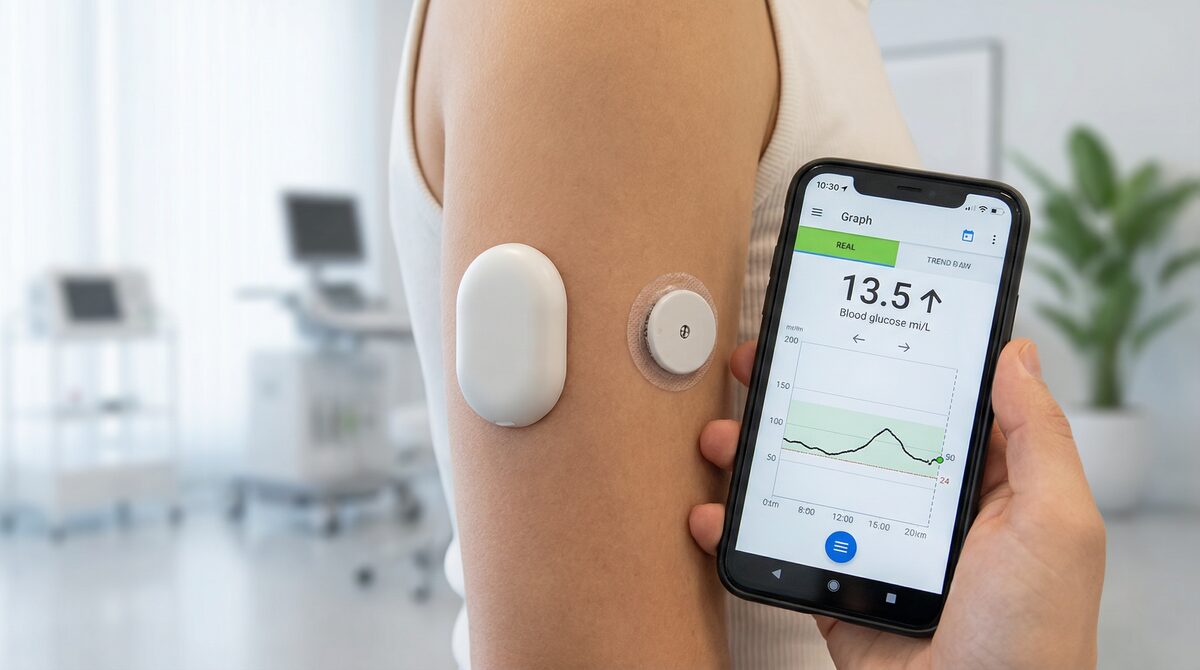
Hybrid closed-loop systems, also called automated insulin delivery systems, combine a CGM, an insulin pump, and an algorithm that adjusts insulin delivery based on sensor glucose data.
Quick summary
Hybrid matters. These systems can automate some insulin adjustments, but users still need to announce meals, change sites, respond to alerts, carry supplies, and troubleshoot.
Key takeaways
- Automated insulin delivery can improve glucose outcomes for many appropriate users.
- It is not a cure for diabetes.
- It depends on accurate sensor data and working insulin delivery.
- Device choice is individual and requires training, support, and backup planning.
What they may help with
- Reducing time spent high or low for some users.
- Adjusting basal insulin based on sensor trends.
- Providing alarms and safety features.
- Sharing data with care teams when configured.
- Reducing some daily decision burden.
What they still require
Meals, infusion sites, pod changes, insulin refills, sensor changes, ketone checks, illness plans, exercise planning, and backup injections remain important. If the system fails, rapid-acting insulin interruption can become dangerous quickly.
Families and caregivers should know what alerts mean and when to use backup glucose checks or emergency treatment.
Practical takeaway
A hybrid closed-loop system is a tool, not autopilot. The safest users understand both the automation and the backup plan.
Safety note
This article is not a substitute for medical care. Seek urgent care for vomiting, ketones, severe low blood sugar, confusion, fainting, or symptoms that feel unsafe.
What to ask your care team
- What does my system automate?
- What must I still do manually?
- What should I do if the pump or CGM fails?
Related reading
Source summary
- Diabetes Technology: Standards of Care in Diabetes 2026, American Diabetes Association. Clinical guideline. Accessed June 5, 2026. Source
- Artificial Pancreas Device Systems, U.S. Food and Drug Administration. Device information. Accessed June 5, 2026. Source
- Insulin Pumps: Tips for Using Your Insulin Pump at Home, U.S. Food and Drug Administration. Device safety guidance. Accessed June 5, 2026. Source
- Continuous Glucose Monitoring, National Institute of Diabetes and Digestive and Kidney Diseases. Patient guidance. Accessed June 5, 2026. Source