For busy adults and families who want structure without a rigid menu.
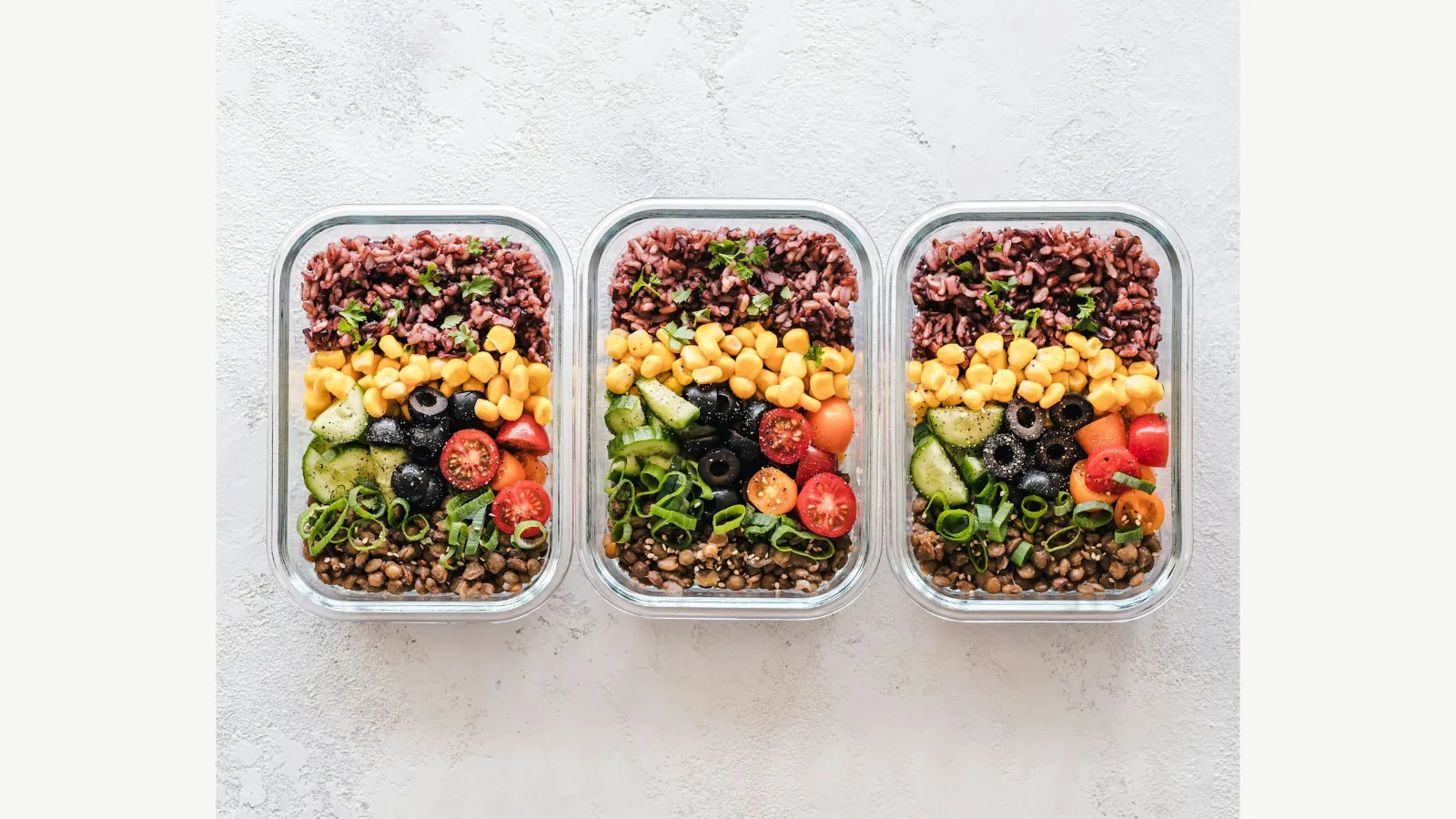
Meal prep can reduce last-minute decisions, but many plans fail because they demand hours of work or produce the same meal every day. A more flexible system prepares components: vegetables, protein, a measured carbohydrate, flavour and one emergency meal.
Quick answer
Choose two proteins, two trays of vegetables, one or two carbohydrate bases and two sauces or seasonings. Store them separately so portions can be adjusted. Use the plate method as a starting point, or follow your personal carbohydrate plan. Label dates, cool food safely and freeze anything that will not be eaten promptly.
Key points
- Prepare building blocks rather than complete identical meals.
- Make carbohydrate sources visible and easy to portion.
- Keep a backup meal for the day the plan collapses.
- Food safety matters as much as nutrition.
The four-part prep system
1. Prepare vegetables in volume
Roast a tray of cauliflower, peppers, onions and courgettes. Wash salad leaves or shred cabbage for a longer-lasting base. Frozen vegetables are equally useful and may reduce cost and waste.
2. Cook two proteins
Examples include chicken and lentils, fish and eggs, tofu and beans, or yoghurt and a cooked protein. Variety prevents the plan from depending on one food and helps different family members build their own plate.
3. Choose the carbohydrate base deliberately
Cook rice, quinoa, potatoes, wholegrain pasta or another preferred staple. Portion once so you can recognise the amount later. Beans and lentils contribute both carbohydrate and protein and still need to be included if you count carbohydrates.
4. Add flavour at serving time
Use lemon-herb dressing, yoghurt sauce, tomato salsa, pesto, spice blends or a small amount of cheese. Keeping sauces separate protects texture and lets one set of ingredients become several meals.
Where glycaemic index fits
Glycaemic index describes how a carbohydrate food affects glucose under standard test conditions. It is one consideration, not a complete meal plan: portion size, cooking, protein, fat and fibre also affect the response. Low GI does not mean unlimited, carbohydrate-free or automatically suitable for everyone. Use the carbohydrate portion and overall meal alongside the label.
Seven flexible dinner ideas
These are starting points, not a prescription for seven identical portions:
- Lentil and vegetable soup with a side salad.
- Salmon with non-starchy vegetables and a small potato.
- Tofu stir-fry with a planned portion of brown rice.
- Chicken and bean salad with a yoghurt-herb dressing.
- Vegetable chilli with a measured grain portion.
- Eggs with vegetables and wholegrain toast.
- Prawns with courgette or zucchini and a carbohydrate side that fits your plan.
Make sodium visible too. Stocks, sauces, spice blends and canned ingredients can add substantial salt. Compare labels, choose lower-salt options where possible and use herbs, lemon, garlic and spices for flavour. Kidney disease may require a more individual plan.
A one-hour example
Start a pot of lentils or rice. Put two vegetable trays in the oven, one warmly spiced and one with herbs. Bake chicken or tofu on a separate tray. While they cook, mix a yoghurt-lemon sauce, wash fruit and portion nuts. Cool, label and refrigerate or freeze promptly.
From this base you can make a grain bowl, soup, wrap, omelette filling, salad or warm dinner plate. This flexibility is more useful than trying to predict exactly what you will want five days later.
Match prep to diabetes treatment
People using mealtime insulin may value repeatable carbohydrate portions. Others may use the plate method without counting every gram. If you take a medicine that can cause hypoglycaemia, skipping a prepared meal may require a backup plan. Gastroparesis, kidney disease, coeliac disease and food allergies need more individual planning.
Food-safety basics
Use clean containers, refrigerate cooked food promptly and keep the fridge at a safe temperature. Label the preparation date. Reheat leftovers thoroughly according to local food-safety guidance, and do not repeatedly cool and reheat the same container. Freeze extra portions early rather than waiting until they are nearly too old. Seek prompt medical advice for repeated vomiting, dehydration or fever after suspected food poisoning; follow your diabetes sick-day plan as well.
Three ways to use one prep base
Suppose the base is roasted peppers, courgettes and onions; cooked chicken or tofu; and a measured container of brown rice. On day one, serve them as a warm plate with yoghurt-herb sauce. On day two, add stock and frozen spinach for soup, including the rice portion in the carbohydrate estimate. On day three, use the vegetables and protein in an omelette or wrap and choose whether rice is still needed.
This approach preserves variety without requiring a new cooking session. It also makes it easier to adjust for different household needs: one person may add more rice, another more vegetables, and someone with a poor appetite may use the same ingredients in soup.
Build a prep plan around real constraints
Before writing a menu, check the week. Late shifts, school activities, travel and appointment days need the fastest meals. Put the most perishable food early and frozen or shelf-stable options later. If energy is limited, buy pre-cut vegetables, canned pulses, cooked grains or a rotisserie protein that meets your salt and dietary needs.
Budget matters too. Choose ingredients that cross several meals, use frozen produce and plan one meal specifically for leftovers. Expensive specialist “diabetes” foods are rarely necessary. Familiar staples, prepared in a workable portion, are usually more useful.
A simple portion-and-label system
Use containers that suit the amount actually eaten rather than the amount a recipe claims is a serving. Label the date and main carbohydrate sources. People who count carbohydrates can add an estimated amount per container; others may simply note “rice plus beans” so the food is not mistaken for a vegetable-only meal.
Keep sauces and crunchy toppings separate. This improves texture and prevents hidden extras from accumulating. When freezing, leave room for expansion and use containers suitable for reheating.
How much should you prepare?
Count the meals that genuinely need covering, then subtract planned meals out, social events and nights when leftovers are unlikely to appeal. Preparing three dependable dinners and two lunches may work better than filling the fridge for seven perfect days. Freeze at least one portion immediately so it remains a backup rather than becoming food waste.
Common mistakes to avoid
- Preparing aspirational food that nobody in the household enjoys.
- Making every meal low in energy and then relying on snacks.
- Forgetting carbohydrate in sauces, beans, milk, fruit or drinks.
- Filling one large container that makes portions hard to judge.
- Keeping cooked food too long because it still looks acceptable.
Frequently asked questions
Must meal prep happen on Sunday?
No. Choose the day before your busiest period, or split the work into two shorter sessions.
Is frozen food less healthy?
Plain frozen vegetables, fruit, fish and other staples can be nutritious and practical. Check added sauces, salt and sugar where relevant.
What is a good emergency meal?
Choose something shelf-stable or frozen that fits your needs, such as bean soup, tuna with wholegrain crackers, eggs and frozen vegetables, or a balanced frozen meal. The best backup is one you will actually eat.
The bottom line
During pregnancy, or with an eating disorder or a history of disordered eating, use an individually agreed nutrition plan rather than a generic meal-prep template.
Useful diabetes meal prep creates options, not obligations. Prepare components, make portions visible, store food safely and keep one reliable backup for the week that refuses to follow the plan.
Related Living Diabetes guides
Sources and further reading
- CDC: Diabetes meal planning
- ADA Standards of Care 2026: Nutrition and positive health behaviours
- USDA: Food safety basics
This article is for general education. Individual meal and medication plans vary.