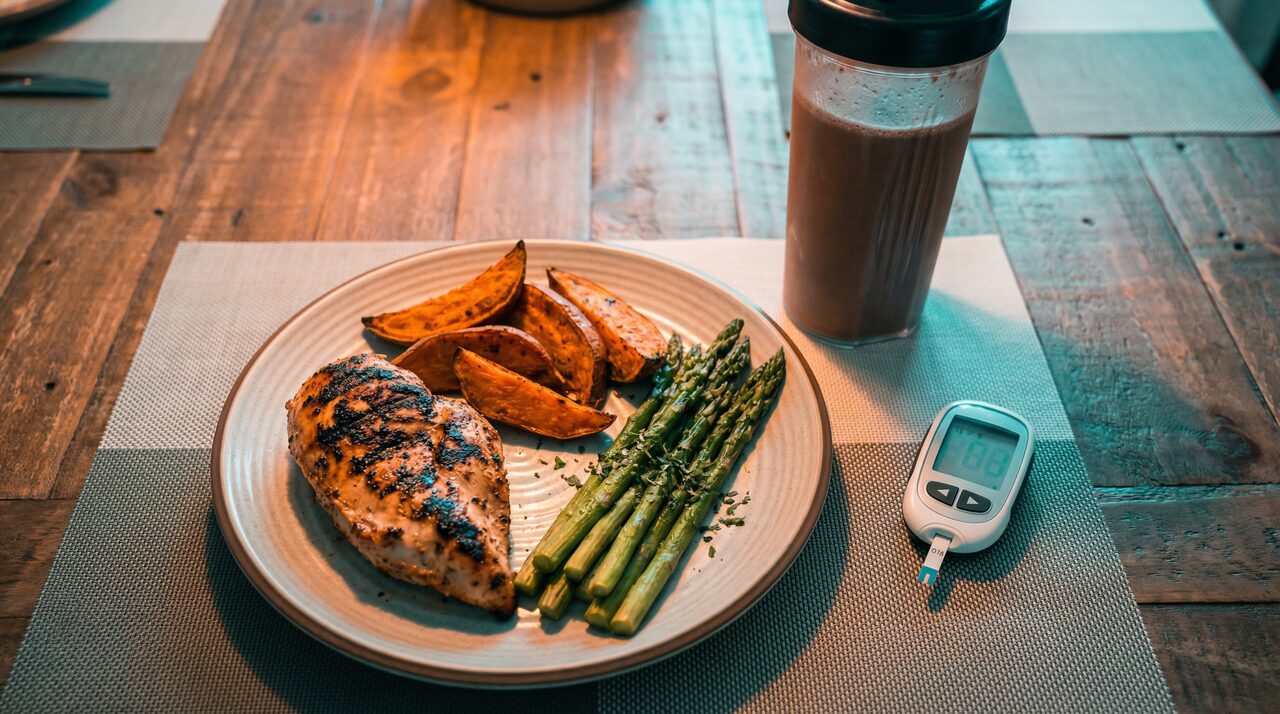
After a great workout, you might feel energized and accomplished. But for individuals managing diabetes, the post-exercise period is an important time for blood sugar management. What you eat and when you eat it can affect your glucose pattern and recovery. Let’s explore how to fuel your body smartly after physical activity to keep your blood sugar in check.
Key takeaways
- Use your own glucose targets, medication plan, and trend data when planning activity.
- Carry fast-acting carbohydrate if you use insulin or medicines that can cause low blood glucose.
- Start gradually and ask your care team about limits if you have neuropathy, eye, kidney, or heart disease.
Why post-workout nutrition matters when you live with diabetes
Exercise is a powerful tool for diabetes management, improving insulin sensitivity and overall health. However, physical activity can also cause blood sugar fluctuations. During and after exercise, your muscles use glucose for energy, which can lead to a drop in blood sugar (hypoglycemia), especially if you use insulin or certain medications. Conversely, intense exercise can sometimes cause a temporary rise in blood sugar. Post-workout nutrition can help replenish energy stores and support muscle repair, but timing and food choices do not stabilize glucose for everyone.
What to do before you start: Pre-exercise glucose safety and medication adjustments
Before you even begin your workout, planning is key. Check your blood glucose levels. If your glucose is below your personal safe range or trending down, a carbohydrate snack may be needed before activity. If glucose is very high, especially with ketones or symptoms, follow your care team’s plan and consider delaying exercise. Discuss with your doctor or diabetes educator how to adjust insulin doses or other diabetes medications around your exercise routine. They can help you create a personalized plan to minimize risks and maximize benefits.
Practical steps you can use this week: Tailoring your post-workout plan
Post-workout food timing and composition depend on exercise intensity, duration, glucose trends, medicines, insulin timing, and your nutrition goals. Treat the examples below as discussion points, not rules.
Your post-workout nutrition should be tailored to your individual needs, the intensity and duration of your exercise, and your diabetes management plan. Here are some practical steps:
For Beginner Exercisers: Focus on consistency and simple recovery
- Hydration: Drink plenty of water before, during, and after exercise. Dehydration can affect blood sugar levels.
- Balanced Snack: If you need a recovery snack after your workout, one option is a snack that combines carbohydrates and protein. This helps replenish energy stores and aids muscle repair while helping reduce sharp glucose rises. Examples: a small apple with a tablespoon of peanut butter, or a handful of whole-grain crackers with a slice of cheese. If you take rapid-acting insulin for meals or snacks, work with your care team on how to adjust your insulin dose for these post-workout foods.
- Monitor: Check your blood sugar before and after exercise to understand how your body responds. This helps you learn and adjust.
For Moderate Exercisers: Optimize for sustained energy and muscle repair
- Carbohydrate-Protein Ratio: Many sports nutrition guides suggest including more carbohydrate than protein after exercise, but exact amounts should be tailored to your calorie needs, glucose targets, and treatment plan. This could be a Greek yogurt with berries, a small turkey sandwich on whole-wheat bread, or a protein shake with a banana.
- Timing is Key: If you plan a post-workout meal or snack, choose timing that fits your glucose trend, meal schedule, and care-team advice.
- Medication/Device Adjustments: If you use an insulin pump or multiple daily injections, any insulin changes for post-workout food should follow a plan from your diabetes care team.
For Advanced Exercisers: Fine-tuning for performance and recovery
- Complex Carbohydrates: Focus on complex carbohydrates like quinoa, brown rice, or sweet potatoes to provide sustained energy release.
- Lean Protein: Include lean protein sources such as chicken breast, fish, tofu, or legumes to support extensive muscle repair.
- Electrolytes: For longer or more intense workouts, consider electrolyte-rich fluids in addition to water, especially if you sweat heavily.
- Continuous Glucose Monitoring (CGM): If you use a CGM, pay close attention to trends during and after exercise. This trend data can help you discuss nutrition and insulin questions with your care team.
When to call your healthcare professional
While exercise is beneficial, certain situations warrant a call to your healthcare team:
- Frequent Hypoglycemia: If you experience repeated low blood sugar episodes during or after exercise, your medication regimen or nutrition plan may need adjustment.
- Persistent High Blood Sugar: If your blood sugar consistently rises significantly after exercise, despite your best efforts, it’s important to investigate why.
- Unexplained Symptoms: Any new or worsening symptoms like dizziness, extreme fatigue, chest pain, or vision changes during or after exercise should be reported immediately.
- Difficulty Adjusting: If you’re struggling to find a safe and effective exercise and nutrition routine that works for your diabetes, your care team can provide guidance.
Questions to ask at your next visit
- “How should I adjust my insulin or medication doses on days I exercise?”
- “What are the best pre- and post-workout snacks for my specific diabetes management plan?”
- “Are there any types of exercise I should avoid given my current health status?”
- “How often should I check my blood sugar around my workouts?”
Medical note: This article is for education only and does not replace care from your healthcare professional. If you use insulin or medicines that can cause low blood glucose, are pregnant, have kidney disease, heart disease, vision problems, neuropathy, or other diabetes-related complications, discuss changes to food, activity, medicines, devices, or travel plans with your diabetes care team.