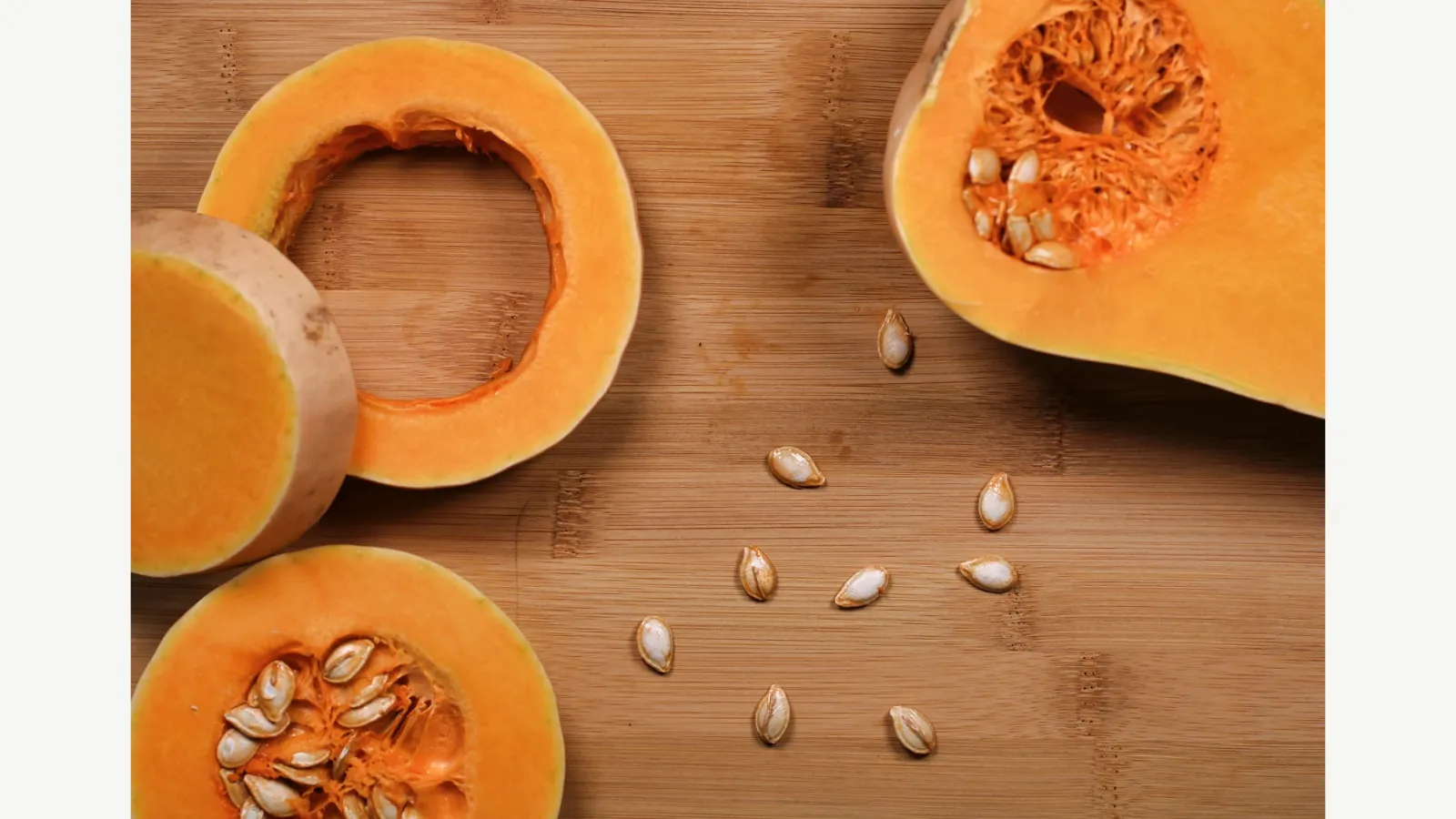
For anyone who enjoys seasonal food and wants practical carbohydrate awareness.
Pumpkin and winter squash bring fibre, carotenoids, potassium and flavour to autumn meals. They also contain carbohydrate, so the amount and preparation matter if you count carbohydrates or match insulin to food. The good news is that there is no need to avoid them.
The more confusing category is “pumpkin-flavoured” food. A vegetable soup, a sweetened coffee drink and a large slice of pie can share the word pumpkin while having very different effects on glucose, fullness and overall nutrition.
Quick answer
Pumpkin and winter squash can fit a diabetes eating plan. Treat them as carbohydrate-containing foods, check the portion and pair them with protein, vegetables and unsaturated fat. Plain canned pumpkin is different from sweetened pumpkin pie filling. If you use insulin-to-carbohydrate ratios, use the label or a reliable food database and follow your own plan.
Key points
- Portion size matters more than whether a food sounds “healthy” or “seasonal”.
- Choose plain pumpkin or squash and add your own seasoning.
- Pair carbohydrate with protein and fibre for a more satisfying meal.
- Avoid using food language that turns one dish into a test of willpower.
Pumpkin, squash and blood glucose
Different varieties contain different amounts of carbohydrate, and cooking changes water content and serving volume. Mashed squash is easy to eat in a larger portion than roasted cubes. Canned products vary, so the nutrition label is useful.
Fibre, protein and fat can slow digestion compared with eating a refined carbohydrate alone, but they do not erase carbohydrate. People with gastroparesis, kidney disease, food allergies or a prescribed eating plan may need different choices.
How to build a balanced squash meal
Start with the role of the squash
If squash is the main starch, serve it alongside non-starchy vegetables and a protein such as fish, chicken, eggs, tofu, yoghurt or beans. If the dish also includes rice, bread, pasta or potatoes, consider how the carbohydrate sources combine.
Choose preparation before sweetness
Roasting develops flavour without requiring syrup. Spices such as cumin, smoked paprika, cinnamon, ginger, black pepper and sage work well. When a recipe calls for sugar, maple syrup or sweetened condensed milk, decide whether a smaller amount, a smaller portion or a different recipe better fits your plan.
Read canned-product labels
Plain pumpkin puree normally lists pumpkin as the main ingredient. Pumpkin pie filling usually contains added sugar and spices. The cans can look similar, so check the ingredient list and total carbohydrate.
Use portions you can recognise again
Measure once when trying a new dish, then note what that portion looks like in your usual bowl or plate. This is more sustainable than weighing every meal indefinitely unless precise measurement is part of your treatment plan.
Five practical meal ideas
1. Roasted squash, chickpea and herb tray
Roast cubes of squash with onion, courgette and olive oil. Add drained chickpeas near the end and finish with lemon and parsley. Use the chickpeas and squash together when estimating carbohydrate.
2. Pumpkin and red lentil soup
Simmer onion, garlic, red lentils, plain pumpkin, low-salt stock and cumin until soft. Blend partly, leaving texture. Serve with plain yoghurt or seeds and count any bread separately.
3. Savoury pumpkin oats
Cook oats with plain pumpkin, water or milk and black pepper. Top with an egg and spinach. This is a carbohydrate-containing breakfast, not a “free” food, but the protein and vegetables make it more complete.
4. Squash and chicken sheet-pan dinner
Roast chicken pieces, squash, peppers and red onion together. Add a green salad. This creates a plate where the squash is the main starchy component.
5. Pumpkin yoghurt bowl
Mix unsweetened Greek-style yoghurt with plain pumpkin and cinnamon. Add a small portion of nuts and fruit if desired. Check the yoghurt label because carbohydrate varies, especially in flavoured products.
How to estimate an unfamiliar pumpkin dish
Seasonal meals are often homemade, shared or served without a label. Start by identifying the main carbohydrate sources. Pumpkin or squash may be only one part of the total; flour, pastry, rice, beans, lentils, milk, sugar, syrup and dried fruit can contribute as much or more.
Then look at the form of the food. A cup of chunky roasted squash is not the same as a cup of dense puree, and a bowl of blended soup may contain several ladles of vegetables plus lentils or cream. If the recipe is available, divide the total carbohydrate-containing ingredients by the number of realistic servings. If it is not, make a sensible estimate using a familiar portion and observe the result without turning one reading into a verdict.
For insulin users, unfamiliar mixed meals may produce a different glucose curve from plain squash because fat, protein and texture affect digestion. Use the strategy already agreed with your diabetes team rather than inventing a new timing or correction rule at the table. A note or photograph can help you discuss repeated patterns later.
Shopping and batch-cooking tips
Choose firm squash without soft, wet or mouldy areas. Whole winter squash can often be stored in a cool, dry place, while cut squash should be refrigerated and used promptly. Frozen plain squash is a useful alternative when cutting a hard vegetable is difficult.
When batch cooking, freeze soup or mash in labelled portions rather than one large container. Write the main carbohydrate ingredients on the label. That small step makes a future meal easier to estimate and reduces the temptation to rely on the word “vegetable” alone.
Common mistakes to avoid
- Assuming pumpkin-flavoured drinks are nutritionally similar to pumpkin.
- Calling a recipe “diabetic” without considering portion, total carbohydrate or individual needs.
- Adding several sweet toppings because each amount seems small.
- Replacing all protein or non-starchy vegetables with a large bowl of soup.
Frequently asked questions
Is pumpkin low in carbohydrate?
It contains carbohydrate, although the amount varies by type and preparation. Check the portion and label rather than relying on a broad label such as low-carb.
Is canned pumpkin healthy?
Plain canned pumpkin is a convenient ingredient. Choose a product without added sugar when that fits the recipe and check the ingredient list.
Can I eat pumpkin pie if I have diabetes?
Many people can include a modest portion within an overall plan. Consider the full meal, medication timing and your own glucose response. Food does not need to be forbidden to be portioned thoughtfully.
The bottom line
Pumpkin and winter squash are useful foods, not glucose-free foods. Keep the vegetable recognisable, choose a portion that fits the meal and be more cautious with sweetened products that use pumpkin mainly as a flavour.
Related Living Diabetes guides
Sources and further reading
- CDC: Diabetes meal planning
- ADA Standards of Care 2026: Nutrition and positive health behaviours
- USDA FoodData Central
This article is for general education. Individual carbohydrate and nutrition needs vary.