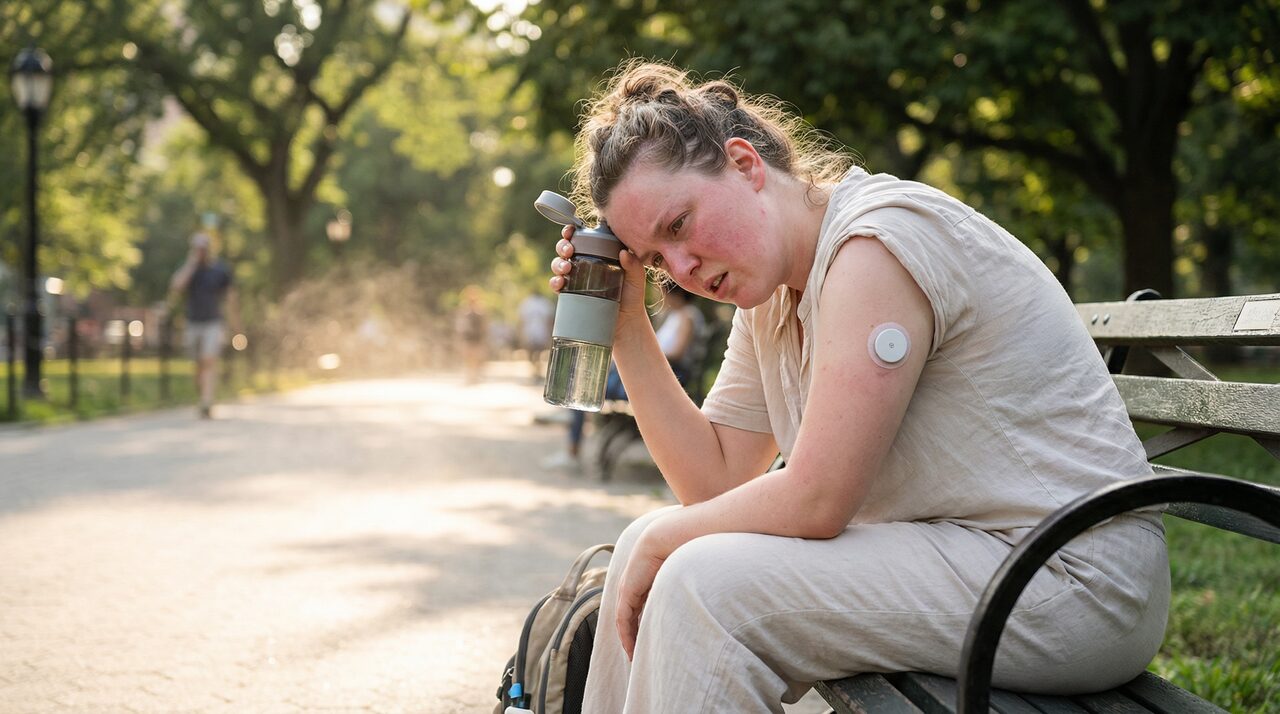
Summer adventures and travel plans often bring excitement, but for individuals managing diabetes, they also require extra vigilance, especially when it comes to staying hydrated. Dehydration can quickly become a serious concern, impacting blood sugar levels and overall well-being. Whether you are enjoying a sunny day at home or exploring new destinations, understanding the warning signs of dehydration and implementing proactive strategies is crucial for maintaining your health and enjoying your activities safely.
Key takeaways
- Pack extra diabetes supplies and keep medicines, devices, snacks, and treatment for lows accessible.
- Check manufacturer instructions for heat, water, scanner, and storage limits on your specific products.
- Make a backup plan for delays, illness, lost supplies, and local medical care.
Why this matters when you live with diabetes
Living with diabetes can make your body more susceptible to the effects of heat and dehydration. Conditions like neuropathy can affect your sweat glands, making it harder for your body to cool itself efficiently. Additionally, high blood sugar levels can increase urination, leading to fluid loss. When you become dehydrated, your blood sugar can rise even further, creating a challenging cycle. Certain diabetes medications, such as SGLT2 inhibitors, can also increase the risk of dehydration, making it even more important to be mindful of your fluid intake.
What to do before you start
Preparation is key, especially when planning for warm weather or travel. A little foresight can prevent major issues:
- Consult your healthcare team: Discuss your travel plans or anticipated hot weather activities with your doctor or diabetes educator. They can offer personalized advice on medication adjustments, hydration goals, and sick day rules.
- Pack smart for travel: Always carry your diabetes medications and supplies in your carry-on bag. This includes insulin, syringes or pens, blood glucose meter, test strips, lancets, and any other necessary devices. Consider packing extra supplies to account for delays or unexpected situations.
- Protect medications from temperature extremes: Insulin and other medications can be damaged by both excessive heat and cold. Use insulated bags with cool packs (not directly touching insulin) to keep them at the recommended temperature. Do not leave medications in a hot car or in direct sunlight.
- Understand travel documentation: Carry a letter from your doctor explaining your diabetes and listing all your medications and supplies. This can be helpful for airport security (TSA generally allows medically necessary liquids and supplies beyond typical limits for U.S. travel) and in case you need medical assistance while away from home.
- Emergency planning: Know how to access medical care at your destination. Carry medical identification that states you have diabetes.
Practical steps you can use this week
Staying hydrated and managing diabetes in warm conditions or while traveling requires consistent effort. Here are actionable steps you can take:
Hydration Strategies:
- Drink plenty of fluids: Water is the best choice. Aim to drink consistently throughout the day, even if you do not feel thirsty. Carry a reusable water bottle and refill it often.
- Avoid sugary drinks: Sodas, fruit juices, and sweetened teas can raise your blood sugar and contribute to dehydration.
- Limit alcohol and caffeine: Both can act as diuretics, increasing fluid loss. If you choose to consume them, do so in moderation and balance with extra water.
- Eat hydrating foods: Fruits and vegetables like watermelon, cucumbers, and berries have high water content and can contribute to your daily fluid intake.
Glucose Monitoring and Heat Precautions:
- Check blood sugar more often: Heat and dehydration can affect your blood sugar levels unpredictably. Monitor frequently, especially before, during, and after physical activity or prolonged sun exposure.
- Adjust insulin/medication as advised: Your healthcare provider may recommend adjusting insulin doses or other medications during hot weather or travel, as your body’s needs can change.
- Stay cool: Seek air-conditioned environments, take cool showers, and wear light, loose-fitting clothing. Avoid strenuous activity during the hottest parts of the day.
- Protect your feet: Always wear shoes, even indoors, to prevent injuries that might go unnoticed due to neuropathy. Check your feet daily for blisters, cuts, or sores.
Dehydration Warning Signs Checklist:
Be aware of these signs that you might be becoming dehydrated:
- Increased thirst
- Dry mouth
- Infrequent urination or dark-colored urine
- Fatigue or weakness
- Dizziness or lightheadedness
- Headache
- Muscle cramps
- Rapid heartbeat
- Sunken eyes
If you experience any of these symptoms, especially if your blood sugar is also high, take immediate steps to rehydrate and contact your healthcare provider if symptoms persist or worsen.
When to call your healthcare professional
While proactive management is essential, there are times when you need to seek professional medical advice. Call your healthcare provider immediately if you experience:
- Persistent high blood sugar despite increased fluid intake and medication adjustments.
- Signs of severe dehydration, such as extreme thirst, confusion, rapid breathing, or inability to keep fluids down.
- Symptoms of heatstroke, including a high body temperature (103 degrees Fahrenheit or higher), hot, red, dry or damp skin, a strong rapid pulse, or unconsciousness.
- Any new or worsening symptoms that concern you, especially during travel or hot weather.
Questions to ask at your next visit
Prepare for your next appointment by considering these questions:
- What are my specific fluid intake goals, especially during exercise or hot weather?
- Should I adjust my medication doses when traveling or in extreme heat?
- What are the best ways to store my insulin and other medications when traveling to different climates?
- Are there any specific electrolyte drinks or rehydration solutions you recommend for me?
- What is my personal emergency plan for managing diabetes during travel or in case of a heat-related illness?
Medical note: This article is for education only and does not replace care from your healthcare professional. If you use insulin or medicines that can cause low blood glucose, are pregnant, have kidney disease, heart disease, vision problems, neuropathy, or other diabetes-related complications, discuss changes to food, activity, medicines, devices, or travel plans with your diabetes care team.