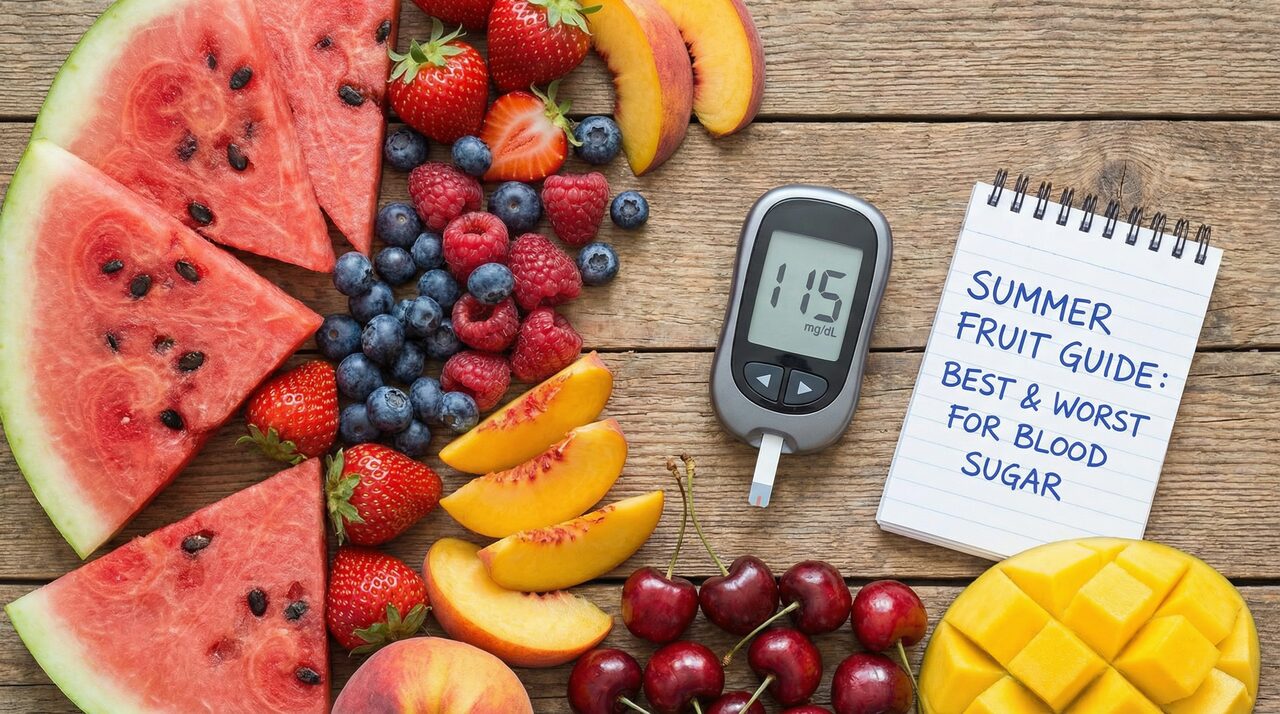
Summer brings an abundance of delicious fruits, but for individuals managing diabetes, it is natural to wonder how different fruits can fit into diabetes management without assuming any fruit is completely off-limits. This guide will help you navigate the world of summer fruits, focusing on smart choices, portion control, and practical tips to keep your diabetes management on track.
Key takeaways
- Focus on portions, fiber, protein, and how the meal affects your own glucose pattern.
- Nutrition numbers are estimates and can change with brands, ingredients, and serving size.
- Ask your care team how to match meals with medicines if you use insulin or drugs that can cause lows.
Diabetes-friendly highlights
Many summer fruits are packed with vitamins, minerals, and fiber, offering numerous health benefits. Fiber, in particular, helps slow down sugar absorption, leading to a more gradual rise in blood glucose. Antioxidants found in fruits can also help combat inflammation and oxidative stress, which are often elevated in people with diabetes. The key is understanding which fruits offer the most benefits and how to consume them wisely.
Fruit choices that may be easier to fit in measured portions (and Why)
- Berries (Strawberries, Blueberries, Raspberries, Blackberries): Relatively low in calories and moderate in carbohydrates for their volume, and high in fiber and antioxidants. Raspberries and blackberries have particularly high fiber content. Many varieties have a relatively low glycemic index, but GI varies by ripeness, variety, and preparation. Your own glucose response is most important.
- Cherries: While sweet, small portions of cherries may cause a moderate glucose rise for some people, but responses vary widely; check your own readings.
- Peaches and Nectarines: These can fit in measured portions and provide vitamins A and C. Enjoy a medium-sized fruit as a single serving.
- Plums: Some varieties have a relatively low glycemic index and can provide fiber, but portion and personal response still matter. Small to medium size is a good portion.
- Melons (Watermelon, Cantaloupe, Honeydew): High water content, refreshing. Watermelon has a higher GI, so portion control is crucial. Cantaloupe and honeydew also need portion awareness because they contain natural sugars. Enjoy smaller servings.
Fruit choices that often need extra portion care (and Why)
- Tropical Fruits (Mango, Pineapple, Banana): Generally higher in natural sugars and carbohydrates, leading to a quicker rise in blood sugar. While not off-limits, these require stricter portion control and careful monitoring of your own blood glucose response.
- Dried Fruits (Raisins, Dates, Dried Apricots): Concentrated source of sugar and calories. Even a small amount can significantly impact blood glucose. For many people with diabetes, it is safer to limit dried fruits to very small, measured portions, and some may choose to avoid them depending on their glucose pattern and medication plan.
- Fruit Juices: Lack the fiber of whole fruits, which may cause faster glucose rises. Generally limit juice and prefer whole fruit. If you drink juice, use a small measured serving and account for the carbohydrates in your plan.
Nutrition facts
Fruit carbohydrate counts are approximate and depend on serving size, ripeness, variety, and preparation. For insulin dosing or carbohydrate counting, use the food label for packaged fruit or a trusted database such as USDA FoodData Central for the exact serving you plan to eat. The examples in this article are for education only and should not be treated as precise dosing data.
Instructions: How to Incorporate Summer Fruits Smartly
- Portion Control is Key: Even diabetes-friendly fruits contain carbohydrates. Use measuring cups or a food scale to ensure you’re sticking to appropriate serving sizes. A good rule of thumb is a small apple, a cup of berries, or half a cup of melon.
- Pair with Protein or Healthy Fats: Eating fruit with a source of protein (like Greek yogurt or cottage cheese) or healthy fats (like a small handful of nuts) can help slow down glucose absorption and keep you feeling fuller longer.
- Choose Whole Fruits Over Juices: Always opt for whole fruits to benefit from their fiber content.
- Timing Matters: Consider when you eat fruit. As part of a meal, it may have less impact on blood sugar than as a standalone snack.
- Monitor Blood Glucose: Check your blood sugar before and after trying new fruits or portion sizes to understand how your body responds.
Diabetes management tips
- Consult Your Dietitian: Work with a registered dietitian or certified diabetes educator to create a personalized meal plan that includes fruits in appropriate amounts for your individual needs and medication regimen.
- Stay Hydrated: While fruits contribute to hydration, continue to drink plenty of water, especially during warmer months.
- Physical Activity: Regular physical activity helps your body use insulin more effectively, which can positively impact how your body handles carbohydrates from fruits.
Storage & Leftovers
- Keep Fresh: Store most berries and cherries in the refrigerator. Melons can be stored at room temperature until ripe, then refrigerated after cutting. Peaches, nectarines, and plums can ripen on the counter and then be moved to the fridge.
- Pre-portion for Convenience: Wash and pre-portion fruits into individual containers for quick, diabetes-friendly snacks throughout the week.
- Freezing: Many berries and sliced peaches can be frozen for later use in smoothies or as toppings, extending their shelf life.
When to Call Your Healthcare Professional
If you experience frequent high or low blood sugar readings after consuming fruits, or if you are unsure about how to incorporate fruits into your diabetes meal plan, it’s important to speak with your healthcare professional or a registered dietitian. They can provide personalized guidance and adjust your medication if necessary. Do not make significant dietary changes without consulting your care team.
Questions to Ask at Your Next Visit
- “What are my personalized fruit portion recommendations?”
- “How do different fruits affect my blood sugar, and how can I adjust my medication if needed?”
- “Can you recommend a dietitian to help me with meal planning?”
Medical note: This article is for education only and does not replace care from your healthcare professional. If you use insulin or medicines that can cause low blood glucose, are pregnant, have kidney disease, heart disease, vision problems, neuropathy, or other diabetes-related complications, discuss changes to food, activity, medicines, devices, or travel plans with your diabetes care team.