
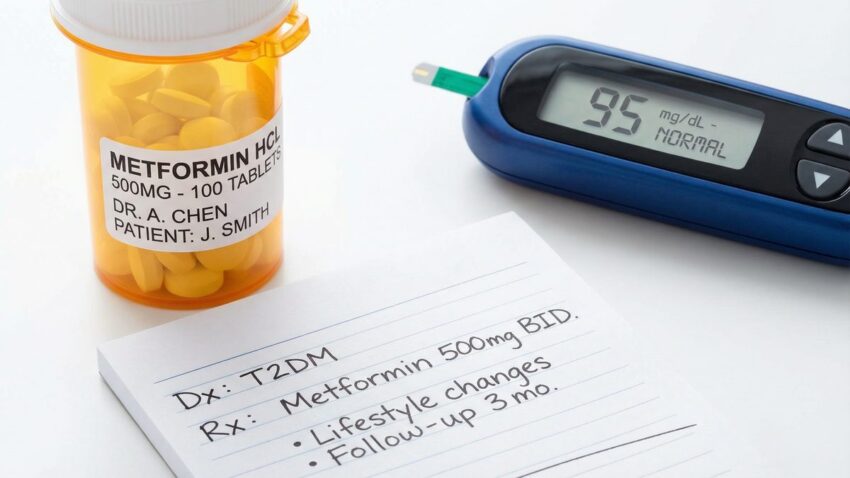
For over two decades, metformin has been the go-to first medication for people diagnosed with type 2 diabetes. But with newer diabetes drugs making headlines for their impressive benefits, many are wondering: is metformin still the best choice to start with? This article explores the evidence, benefits, and limitations of this tried-and-true medication in today’s evolving diabetes landscape.
The Enduring Legacy of Metformin
When it comes to type 2 diabetes medications, metformin stands as the veteran in the field. First approved in the United States in 1995 (though used in Europe since the 1950s), this medication has helped millions manage their blood sugar levels for generations. Despite the arrival of newer, heavily marketed medications, metformin continues to be recommended as the first-line treatment by major diabetes organizations worldwide.
What explains this remarkable staying power? The answer lies in metformin’s unique combination of effectiveness, safety record, affordability, and decades of clinical experience. While newer medications certainly have their place in diabetes care, understanding why metformin remains the foundation of treatment can help you make more informed decisions about your diabetes management.
How Metformin Works: The Basics
Unlike some diabetes medications that force the pancreas to produce more insulin, metformin takes a different approach. It primarily works by:
1. Reducing the amount of glucose your liver releases into your bloodstream
2. Improving how your body responds to insulin (reducing insulin resistance)
3. Decreasing absorption of glucose from the food you eat
This multi-faceted approach helps lower blood sugar levels without causing dangerous lows (hypoglycemia) when used alone. It also doesn’t promote weight gain—in fact, many people experience modest weight loss when starting metformin.
ℹ️ Did You Know?
Metformin is actually derived from a compound found in the French lilac plant (Galega officinalis), which was used in traditional medicine for centuries. This plant-based origin contributes to its relatively safe profile compared to many synthetic medications.
The Evidence Supporting Metformin as First-Line Treatment
The recommendation for metformin as the first medication for type 2 diabetes isn’t based on tradition alone—it’s supported by robust scientific evidence. The landmark UK Prospective Diabetes Study (UKPDS), which followed patients for over 10 years, found that metformin reduced diabetes-related complications, heart attacks, and death in people with type 2 diabetes.
Perhaps even more impressively, a follow-up study showed that these benefits persisted for at least 10 years after the trial ended—a phenomenon researchers call the “legacy effect.” This suggests that starting with metformin early in the disease course may provide long-term protection against complications.
Additionally, metformin has been studied in over 13,000 clinical trials, giving doctors an unparalleled understanding of its effects, benefits, and risks. Few medications in any field of medicine have such a comprehensive body of research behind them.
Benefits Beyond Blood Sugar Control
What makes metformin particularly valuable is that its benefits extend beyond just lowering blood glucose. Research has shown that metformin may:
• Promote modest weight loss or weight neutrality (unlike many diabetes medications that cause weight gain)
• Reduce cardiovascular risk
• Potentially lower cancer risk (though more research is needed)
• Help prevent type 2 diabetes in high-risk individuals
• Improve fertility in women with polycystic ovary syndrome (PCOS)
These “pleiotropic effects” (multiple beneficial effects beyond the primary purpose) make metformin uniquely valuable in diabetes care. Some researchers are even investigating metformin as a potential anti-aging drug, though this remains experimental.
Comparing Metformin to Newer Diabetes Medications
| Factor | Metformin | Newer Medications (SGLT2i, GLP-1 RA) |
|---|---|---|
| Cost | Very affordable ($4-10/month) | Expensive ($300-1,000+/month) |
| Effectiveness for glucose control | Good (A1C reduction ~1-1.5%) | Good to excellent (A1C reduction ~1-2%) |
| Weight effect | Weight neutral or modest loss | Significant weight loss (especially GLP-1 RAs) |
| Cardiovascular benefits | Moderate evidence of benefit | Strong evidence of benefit |
| Risk of hypoglycemia | Very low | Very low |
| Long-term safety data | Extensive (decades of use) | Limited (5-15 years of data) |
While newer medications like SGLT2 inhibitors (empagliflozin, dapagliflozin) and GLP-1 receptor agonists (semaglutide, dulaglutide) offer impressive benefits for weight loss and cardiovascular protection, they come with significantly higher costs and less long-term safety data. This is why many treatment guidelines still recommend starting with metformin and adding these newer agents when needed.
Common Concerns and Side Effects
Despite its many benefits, metformin isn’t without drawbacks. The most common side effect is gastrointestinal discomfort, including:
• Diarrhea
• Nausea
• Abdominal discomfort
• Metallic taste in the mouth
These side effects are typically temporary and can be minimized by starting with a low dose and gradually increasing it. Taking metformin with meals also helps reduce stomach issues.
✅ Practical Tip
If you experience digestive issues with metformin, ask your doctor about switching to the extended-release version (Metformin ER or XR). This formulation is gentler on the digestive system and can be taken once daily instead of with each meal, making it more convenient.
Another concern is vitamin B12 deficiency, which can occur with long-term use. Regular monitoring of B12 levels is recommended, and supplementation may be needed. In very rare cases, metformin can cause lactic acidosis, a serious condition, but this risk is primarily in people with severe kidney, liver, or heart failure.
When Metformin Might Not Be the Best First Choice
While metformin remains the recommended first-line medication for most people with type 2 diabetes, there are situations where starting with a different medication might make sense:
• If you have moderate to severe kidney disease (eGFR below 30)
• If you’ve had a severe allergic reaction to metformin
• If you have severe liver disease
• If you have a history of lactic acidosis
• If you have very high cardiovascular risk or established heart disease (where an SGLT2 inhibitor or GLP-1 RA might be preferred)
Additionally, for those who cannot tolerate metformin despite trying different formulations and dosing strategies, alternative first-line medications can be considered.
The Future of Metformin in Diabetes Care
As diabetes treatment evolves, metformin’s role continues to adapt. Rather than being replaced by newer medications, metformin often serves as the foundation upon which other treatments are added. Many of the most effective diabetes treatment regimens combine metformin with newer agents to provide complementary benefits.
Research into metformin also continues, with scientists discovering new mechanisms of action and potential applications. Some studies are exploring whether certain genetic variations might predict who will respond best to metformin, potentially allowing for more personalized treatment approaches.
The affordability of metformin also cannot be overlooked. With many newer diabetes medications costing hundreds or even thousands of dollars per month, metformin’s low cost (often less than $10 monthly) makes it accessible to patients worldwide, regardless of economic status.
✅ Key Takeaway
Despite the arrival of newer diabetes medications with impressive benefits, metformin remains the recommended first-line treatment for most people with type 2 diabetes due to its proven effectiveness, safety, affordability, and additional health benefits beyond blood sugar control. While newer medications have important roles—especially for those with cardiovascular disease or who need significant weight loss—metformin’s balanced profile of benefits, minimal risks, and extensive safety data make it the foundation upon which modern diabetes care is built. As always, the best medication is the one that works for your individual circumstances, and treatment decisions should be made in partnership with your healthcare team.
Disclaimer: The information provided in this article is for educational purposes only and should not replace professional medical advice. Always consult with your healthcare team before making changes to your diabetes management plan.
 Urdu
Urdu  English