
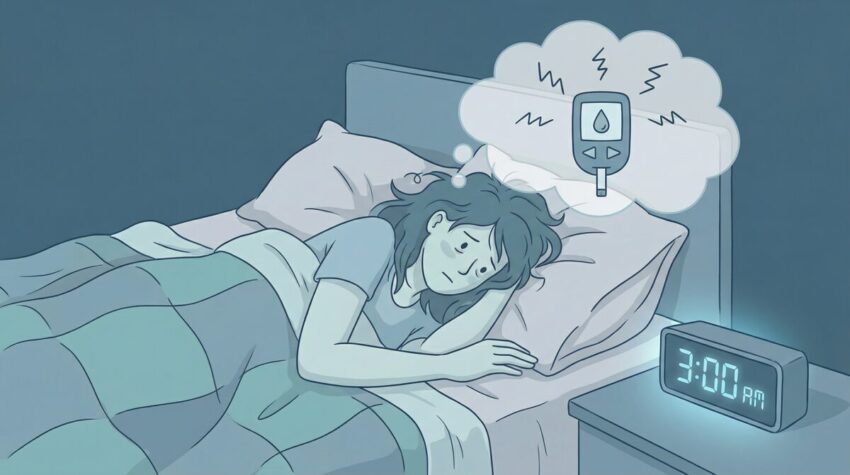
For individuals living with diabetes, managing blood sugar levels is a daily commitment. However, two often-overlooked factors—sleep quality and stress—can significantly impact this delicate balance, creating a challenging cycle that affects overall health and well-being. Understanding the intricate relationship between these elements is crucial for effective diabetes management and fostering a healthier lifestyle.
The Vicious Cycle: How Poor Sleep and Stress Affect Diabetes
The human body is a complex system where various functions are interconnected. When it comes to diabetes, sleep and stress play pivotal roles in regulating hormones and metabolic processes. Poor sleep, whether due to insufficient duration or fragmented rest, can lead to a cascade of negative effects. Studies have shown that inadequate sleep can increase insulin resistance, making it harder for the body’s cells to respond to insulin and absorb glucose from the bloodstream [1]. This can result in elevated blood sugar levels, posing a significant challenge for individuals with diabetes.
Similarly, stress, particularly chronic stress, triggers the release of hormones such as cortisol and adrenaline. These hormones are part of the body’s ‘fight or flight’ response, designed to provide a burst of energy. However, in the long term, elevated cortisol levels can lead to increased glucose production by the liver and decreased insulin sensitivity, further contributing to hyperglycaemia [2]. The combination of poor sleep and chronic stress creates a vicious cycle, where one exacerbates the other, making diabetes management even more difficult.
⚠️ Warning: The Impact of Sleep Deprivation
Even a single night of poor sleep can significantly affect blood sugar control. Chronic sleep deprivation can lead to sustained high blood glucose levels, increasing the risk of diabetes complications.
Unpacking the Mechanisms: Hormones and Metabolism
To truly grasp the double impact of sleep and stress, it’s essential to delve into the underlying physiological mechanisms. When sleep is compromised, the body’s production of growth hormone decreases, while cortisol levels can rise. This hormonal imbalance directly influences glucose metabolism. Additionally, sleep deprivation can increase levels of ghrelin, a hunger-stimulating hormone, and decrease leptin, a satiety hormone, leading to increased appetite and cravings for high-carbohydrate foods [3]. This can make healthy eating choices more challenging for individuals with diabetes.
Stress hormones, particularly cortisol, have a direct impact on the liver’s ability to produce glucose. In times of stress, the liver releases stored glucose into the bloodstream to provide energy, which can be problematic for those with impaired insulin function. Furthermore, chronic stress can lead to inflammation, a factor known to contribute to insulin resistance and the progression of diabetes [4].
Strategies for Better Sleep and Stress Management
Given the profound impact of sleep and stress on diabetes, adopting effective management strategies is paramount. Improving sleep quality and reducing stress can lead to better glycaemic control and overall well-being. Here are some practical approaches:
Prioritising Sleep Hygiene
- Establish a Regular Sleep Schedule: Go to bed and wake up at the same time each day, even on weekends, to regulate your body’s natural sleep-wake cycle.
- Create a Relaxing Bedtime Routine: Engage in calming activities before bed, such as reading, taking a warm bath, or listening to soothing music.
- Optimise Your Sleep Environment: Ensure your bedroom is dark, quiet, and cool. Consider blackout curtains, earplugs, or a white noise machine if needed.
- Limit Screen Time Before Bed: The blue light emitted from electronic devices can interfere with melatonin production, a hormone essential for sleep.
- Avoid Caffeine and Heavy Meals Before Sleep: These can disrupt your sleep patterns and make it harder to fall asleep.
Effective Stress Reduction Techniques
- Mindfulness and Meditation: Practising mindfulness can help you stay present and reduce anxious thoughts. Even a few minutes of meditation daily can make a difference.
- Regular Physical Activity: Exercise is a powerful stress reliever. Aim for at least 30 minutes of moderate-intensity activity most days of the week. Consult your doctor before starting any new exercise regimen.
- Deep Breathing Exercises: Simple deep breathing techniques can activate the body’s relaxation response, lowering heart rate and blood pressure.
- Time Management and Prioritisation: Organising your tasks and setting realistic goals can reduce feelings of overwhelm.
- Seek Social Support: Connecting with friends, family, or support groups can provide emotional relief and a sense of belonging.
✅ Tip: Consult Your Healthcare Team
If you are struggling with persistent sleep issues or chronic stress, speak to your doctor or a diabetes educator. They can offer personalised advice and recommend appropriate interventions.
The Synergistic Benefits: A Holistic Approach
Addressing both sleep quality and stress simultaneously offers synergistic benefits for individuals with diabetes. When you improve your sleep, your body is better equipped to handle stress, and vice versa. This holistic approach can lead to more stable blood sugar levels, reduced risk of complications, and an enhanced quality of life. It’s not just about managing a condition; it’s about nurturing your overall health and well-being.
Embracing these strategies requires commitment and patience, but the rewards are substantial. By making conscious efforts to prioritise restful sleep and effective stress management, individuals with diabetes can empower themselves to take greater control of their health journey.
✅ Key Takeaway
Prioritising both sleep quality and stress management is vital for effective diabetes control. By adopting healthy sleep habits and stress-reduction techniques, individuals can significantly improve blood sugar regulation, reduce complication risks, and enhance their overall well-being.
References
[1] The Link Between Sleeping and Type 2 Diabetes – PMC – NIH. https://pmc.ncbi.nlm.nih.gov/articles/PMC10693913/
[2] Stress, Sleep, and Cortisol: The Overlooked Triggers of Insulin Resistance. https://thinkvida.com/blog/stress-sleep-cortisol-insulin-resistance/
[3] How Sleep Deprivation Affects Your Metabolic Health. https://lifestylemedicine.stanford.edu/how-sleep-deprivation-affects-your-metabolic-health/
[4] How sleep affects blood sugar and diabetes management. https://www.nkchealth.org/blog/how-sleep-affects-blood-sugar-and-diabetes-management
 Urdu
Urdu  English