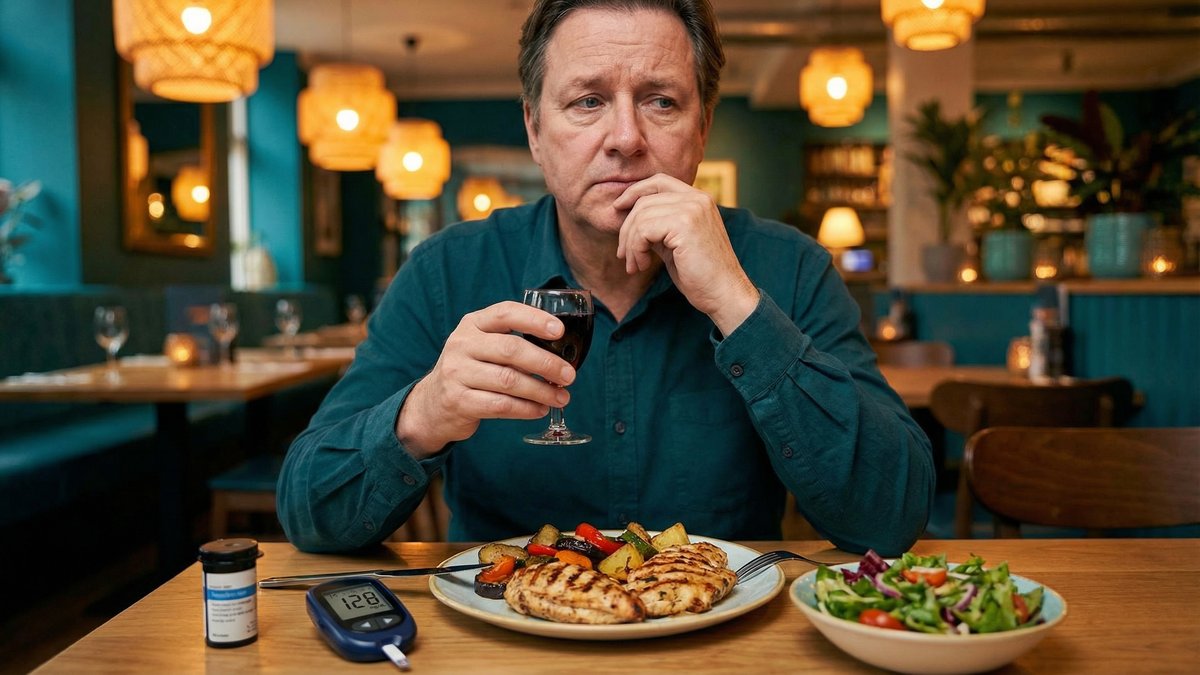
Alcohol advice for diabetes is often oversimplified. Some people should avoid alcohol completely, while others may be able to drink small amounts safely. The key issue is not only calories or carbohydrates. Alcohol can affect low blood sugar risk, sleep, judgment, blood pressure, triglycerides, medicines, and heart health.
Quick summary
For people with diabetes, alcohol decisions should be personal and practical. The safest plan depends on medicines, history of low blood sugar, liver health, pregnancy, heart risk, and personal goals.
Key takeaways
- Alcohol can increase low blood sugar risk, especially with insulin or sulfonylureas.
- Sugary mixers and large servings can raise glucose and calories.
- Alcohol can worsen triglycerides, blood pressure, sleep, and judgment.
- People with pregnancy, liver disease, pancreatitis, alcohol use disorder, or certain medicines may need to avoid it.
Why alcohol is different with diabetes
The liver helps regulate glucose. Alcohol can interfere with the liver’s ability to release glucose, which may increase hypoglycemia risk, particularly when alcohol is consumed without food or after activity.
Some drinks also contain substantial carbohydrate. Sweet cocktails, regular soda mixers, dessert wines, and large beers can raise glucose. Alcohol may also make it harder to notice or respond to low blood sugar symptoms.
Heart health context
No one should start drinking for heart protection. Any possible cardiovascular benefit seen in older observational studies is outweighed for many people by risks such as high blood pressure, arrhythmias, injuries, cancer risk, medication interactions, and alcohol use disorder.
For heart health with diabetes, proven priorities include blood pressure control, cholesterol management, smoking cessation, physical activity, nutrition, sleep, and medications when prescribed.
Safer planning questions
- Do my medicines increase low blood sugar risk?
- Should I check glucose before bed after drinking?
- What counts as one standard drink for the drink I choose?
- Am I using sugary mixers or drinking on an empty stomach?
- Could alcohol worsen my triglycerides, blood pressure, liver disease, or sleep?
Practical takeaway
If you drink, keep it planned, measured, and paired with food when appropriate. Do not treat alcohol as a heart medicine.
Safety note
This article is not a substitute for medical care. Avoid alcohol if your clinician has advised against it. Seek urgent help for severe low blood sugar, confusion, vomiting, injury, chest pain, or symptoms of alcohol poisoning.
What to ask your care team
- What does this mean for my diabetes, heart, kidney, medicine, or monitoring plan?
- Which symptoms, readings, or side effects should prompt urgent care?
- Do any tests, prescriptions, follow-up visits, or safety instructions need review?
Source summary
- Alcohol and Diabetes, American Diabetes Association. Patient guidance. Accessed June 3, 2026. Source
- About Alcohol Use, Centers for Disease Control and Prevention. Public health guidance. Accessed June 3, 2026. Source
- Diabetes and Your Heart, Centers for Disease Control and Prevention. Patient guidance. Accessed June 3, 2026. Source
- Diabetes Testing, Centers for Disease Control and Prevention. Patient guidance. Accessed June 3, 2026. Source