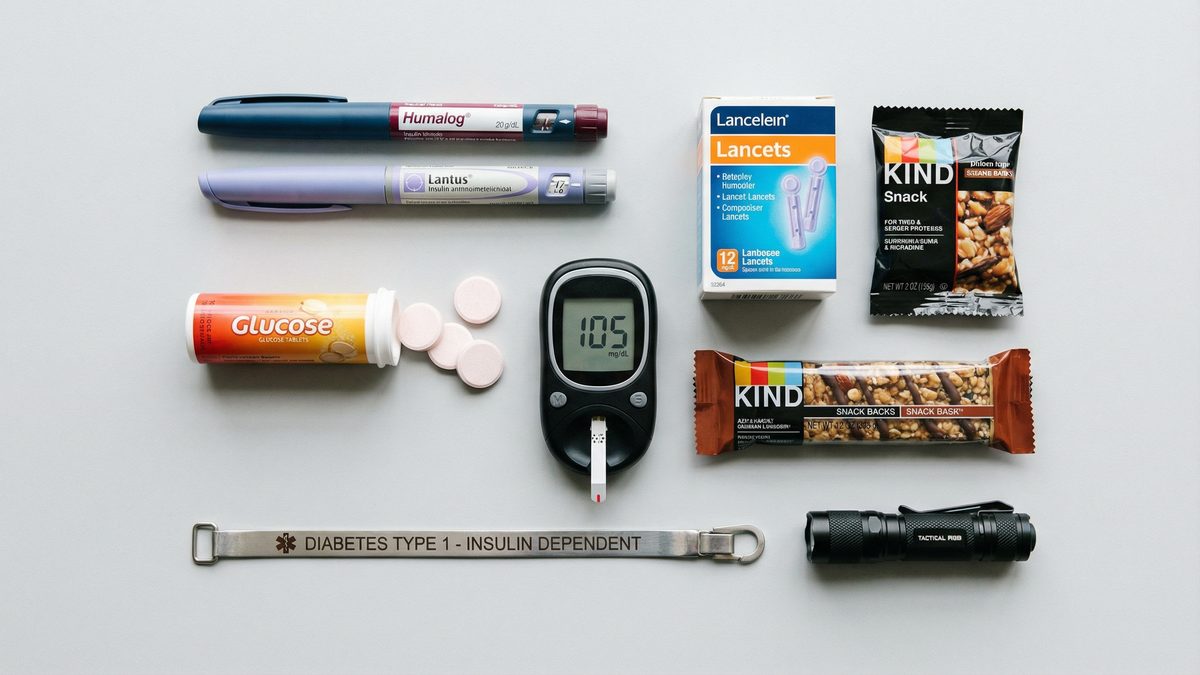
Being prepared for emergencies is essential for everyone, but it takes on special significance when you’re living with diabetes. A well-stocked diabetes emergency kit can be a lifesaver during natural disasters, power outages, or unexpected travel delays. This comprehensive guide will help you build a complete diabetes emergency kit that ensures you’re prepared for whatever life throws your way.
Why a Diabetes Emergency Kit is Essential
For the 537 million people worldwide living with diabetes, maintaining consistent blood sugar management is a daily priority. During emergencies, this task becomes significantly more challenging. Natural disasters, power outages, evacuations, or even being stranded in traffic can quickly turn into dangerous situations when you don’t have access to your diabetes supplies.
Without proper medication, monitoring equipment, or food, blood glucose levels can fluctuate dangerously, potentially leading to serious complications like severe hypoglycemia (low blood sugar) or diabetic ketoacidosis (a serious condition that can develop when blood sugar is too high for too long).
ℹ️ Did You Know?
According to the American Diabetes Association, people with diabetes are more likely to be hospitalized or require medical attention during emergencies and natural disasters than those without diabetes. Having an emergency kit ready can significantly reduce this risk.
Creating a comprehensive diabetes emergency kit isn’t just about peace of mind—it’s about maintaining your health during unpredictable circumstances. Let’s explore what should be included in your kit.
Essential Diabetes Supplies for Your Emergency Kit
Medication and Insulin
The foundation of your emergency kit should include a supply of all your diabetes medications:
- Insulin (if you use it) with backup delivery devices
- Oral diabetes medications
- Glucagon emergency kit for severe low blood sugar
- Other prescription medications you regularly take
Insulin requires special consideration because it needs to be kept cool. Consider including a cooling case specifically designed for insulin, which can keep it at safe temperatures without refrigeration for extended periods.
✅ Practical Tip
Ask your healthcare provider for paper prescriptions to keep in your emergency kit. These can be invaluable if you need to get medication from an unfamiliar pharmacy during an emergency. Also, consider asking for a letter explaining your diabetes management needs in case you require medical assistance from providers who don’t know your history.
Blood Glucose Monitoring Supplies
Regular monitoring becomes even more crucial during emergencies when routines are disrupted. Include:
- Blood glucose meter (even if you normally use CGM)
- Extra test strips (at least 100)
- Lancets and lancing device
- Extra batteries for your meter
- Continuous Glucose Monitor (CGM) sensors and transmitters if you use them
- Ketone testing supplies (especially important for people with type 1 diabetes)
Hypoglycemia Treatments
Stress and irregular eating during emergencies can increase the risk of low blood sugar. Be prepared with:
- Fast-acting glucose tablets or gel (at least 4 treatments’ worth)
- Juice boxes or non-perishable glucose sources
- Longer-acting carbohydrate snacks like crackers or granola bars
Basic Medical Supplies
Include general first aid items that can help prevent diabetes complications:
- Alcohol wipes for cleaning injection sites
- Bandages and gauze
- Antibiotic ointment
- Hand sanitizer
- Pain relievers
Food and Water
Pack non-perishable food items that can help maintain stable blood sugar levels:
- Water bottles (at least 3 days’ worth)
- Protein bars
- Nuts and nut butter packets
- Dried fruits (in moderation)
- Crackers or other complex carbohydrates
Documentation and Information
Important documents can be critical during emergencies:
- List of all medications with dosages
- Contact information for healthcare providers
- Copy of your health insurance card
- Medical ID information
- Basic treatment instructions for hypoglycemia and hyperglycemia
| Emergency Kit Item | Quantity Recommendation | Replacement Schedule |
|---|---|---|
| Insulin | 1-2 week supply | Check expiration monthly |
| Oral medications | 7-14 day supply | Check expiration quarterly |
| Test strips | 100 strips minimum | Every 6 months |
| Fast-acting glucose | 4-6 treatments | Every 6 months |
| Water | 1 gallon per person per day | Every 6 months |
Organizing Your Diabetes Emergency Kit
How you store your emergency supplies is almost as important as what you include. Consider these organization strategies:
Storage Containers
Choose a waterproof, durable container that’s easily identifiable. Many people use a brightly colored backpack or plastic container with a secure lid. The container should be:
- Large enough to hold all supplies but small enough to grab quickly
- Clearly labeled as a “Diabetes Emergency Kit”
- Stored in an accessible location that all household members know about
Temperature Considerations
Some diabetes supplies, particularly insulin, are sensitive to temperature extremes. Your emergency kit should include provisions for keeping insulin at safe temperatures:
- Insulated pouches specifically designed for insulin
- Reusable cooling packs (not frozen, as they could freeze the insulin)
- Information on how to protect insulin in extreme conditions
ℹ️ Did You Know?
Insulin that has been frozen or exposed to temperatures above 86°F (30°C) for extended periods may lose potency or become ineffective. Special cooling cases designed for medication can maintain safe temperatures for 24-48 hours without refrigeration.
Maintaining Your Diabetes Emergency Kit
Creating an emergency kit is not a one-time task. Regular maintenance ensures your supplies remain effective when you need them:
Regular Checks and Updates
- Check expiration dates monthly and replace items as needed
- Rotate medications to use the emergency supply before it expires
- Update your medical information and prescription list as your treatment changes
- Test your glucose meter and other electronic devices quarterly
- Replace batteries in devices annually or as recommended by manufacturers
✅ Practical Tip
Set calendar reminders to check your emergency kit every three months. A good system is to review your supplies when you change your clocks for daylight saving time and at the start of each season. This regular schedule helps ensure nothing expires without you noticing.
Special Considerations for Different Types of Emergencies
Different emergency scenarios may require specific preparations:
Power Outages
Extended power outages present unique challenges for insulin storage and electronic devices:
- Keep a power bank fully charged for your phone and rechargeable devices
- Know how to manually inject insulin if you use an insulin pump
- Have a plan for keeping insulin cool without refrigeration
Evacuation Scenarios
If you need to leave your home quickly:
- Keep your emergency kit in a grab-and-go location
- Have a smaller version of essential supplies in your car or at work
- Include a list of pharmacies in surrounding areas
Travel Emergencies
When traveling, especially internationally:
- Carry a doctor’s note explaining your need for medical supplies
- Learn how to say “I have diabetes” and “I need sugar” in the local language
- Research medical facilities at your destination
✅ Key Takeaway
Building a comprehensive diabetes emergency kit is an essential part of diabetes self-management. By gathering the right supplies, organizing them properly, and maintaining them regularly, you can ensure that you’re prepared to manage your diabetes effectively even during unexpected situations. Remember that your emergency kit should be personalized to your specific needs and updated as your treatment plan changes. Being prepared doesn’t just provide peace of mind—it can be lifesaving during emergencies.
Disclaimer: The information provided in this article is for educational purposes only and should not replace professional medical advice. Always consult with your healthcare team before making changes to your diabetes management plan.