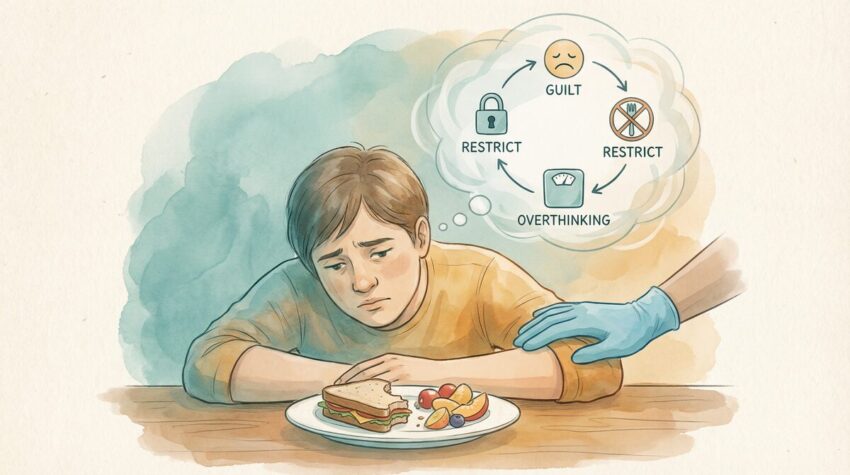
Living with diabetes presents unique challenges, often requiring meticulous attention to diet, blood glucose monitoring, and medication. For some, this constant focus on food and body can inadvertently pave the way for disordered eating behaviours or even clinical eating disorders. The interplay between diabetes and eating disorders is complex, posing significant risks to both physical and mental health. Understanding this intricate relationship is crucial for effective management and improved well-being.
Understanding Disordered Eating and Eating Disorders
Disordered eating encompasses a range of unhealthy eating patterns and attitudes towards food, weight, and body shape. While not always meeting the diagnostic criteria for a clinical eating disorder, these behaviours can still be detrimental. Eating disorders, on the other hand, are serious mental health conditions characterised by severe disturbances in eating behaviours and related thoughts and emotions. Common eating disorders include anorexia nervosa, bulimia nervosa, and binge eating disorder.
The Unique Vulnerability of Individuals with Diabetes
Individuals with diabetes, particularly those with type 1 diabetes, face a heightened risk of developing eating disorders compared to the general population. The very nature of diabetes management can contribute to this vulnerability:
- Constant Food Focus: Managing blood glucose levels often involves strict meal planning, carbohydrate counting, and dietary restrictions, which can lead to an obsessive focus on food.
- Weight Concerns: Insulin, a vital medication for diabetes, can cause weight gain, leading to body image dissatisfaction and attempts to restrict food or insulin to control weight.
- Emotional Burden: The chronic nature of diabetes, coupled with the demands of self-management, can lead to stress, anxiety, and depression, which are known risk factors for eating disorders.
ℹ️ Important Insight
The constant need for self-management in diabetes can inadvertently create an environment where disordered eating behaviours may develop, highlighting the need for holistic care.
Diabulimia: A Specific Concern for Type 1 Diabetes
One of the most dangerous manifestations of disordered eating in type 1 diabetes is diabulimia. This term refers to the deliberate omission or reduction of insulin doses to achieve weight loss. While not a formal medical diagnosis, diabulimia is a life-threatening condition with severe consequences, including:
- Diabetic Ketoacidosis (DKA): A serious complication that can lead to coma or death.
- Long-term Complications: Accelerated development of diabetes-related complications such as retinopathy (eye damage), nephropathy (kidney damage), and neuropathy (nerve damage).
- Electrolyte Imbalances: Disruptions in essential body salts, affecting heart function and other vital systems.
⚠️ Warning: The Dangers of Insulin Restriction
Deliberately withholding insulin in type 1 diabetes is extremely dangerous and can lead to severe, life-threatening complications. If you or someone you know is doing this, seek immediate medical help.
Eating Disorders in Type 1 and Type 2 Diabetes
While diabulimia is specific to type 1 diabetes, other eating disorders are prevalent in both types:
- Bulimia Nervosa: Characterised by recurrent episodes of binge eating followed by compensatory behaviours such as self-induced vomiting, excessive exercise, or misuse of laxatives. In individuals with type 1 diabetes, insulin restriction can also be a compensatory behaviour.
- Binge Eating Disorder (BED): Involves recurrent episodes of eating unusually large amounts of food in a short period, accompanied by a feeling of loss of control. Unlike bulimia, BED does not involve regular compensatory behaviours.
- Anorexia Nervosa: Characterised by an intense fear of gaining weight, a distorted body image, and severe restriction of food intake, leading to dangerously low body weight.
Recognising the Signs
Identifying an eating disorder in someone with diabetes can be challenging, as some behaviours may be mistaken for poor diabetes management. Key signs to look out for include:
- Unexplained weight loss or frequent fluctuations in weight.
- Persistent high HbA1c levels despite adherence to other diabetes management aspects.
- Frequent episodes of diabetic ketoacidosis or unexplained hypoglycaemia.
- Preoccupation with food, body weight, and shape.
- Skipping insulin doses or intentionally taking less insulin than prescribed.
- Excessive exercise.
- Social withdrawal or secretive eating behaviours.
- Increased anxiety or depression.
Seeking Help and Treatment
If you suspect that you or someone you know is struggling with an eating disorder and diabetes, it is crucial to seek professional help immediately. Early intervention significantly improves outcomes. Treatment typically involves a multidisciplinary approach, including:
- Medical Stabilisation: Addressing immediate health risks associated with both diabetes and the eating disorder.
- Nutritional Counselling: Working with a dietitian to develop a healthy and sustainable eating plan that supports both diabetes management and recovery from the eating disorder.
- Psychotherapy: Cognitive Behavioural Therapy (CBT) and Dialectical Behaviour Therapy (DBT) are often used to address underlying psychological issues, develop coping mechanisms, and challenge disordered thoughts.
- Medication: In some cases, medication may be prescribed to manage co-occurring mental health conditions like depression or anxiety.
- Diabetes Education: Re-educating individuals on healthy diabetes management practices in a supportive and non-judgmental environment.
The Importance of a Supportive Environment
Creating a supportive environment is paramount for individuals navigating the complexities of diabetes and eating disorders. Family, friends, and healthcare providers all play a vital role. Open communication, empathy, and a non-judgmental approach can foster trust and encourage individuals to seek and adhere to treatment. It is essential to remember that eating disorders are not a choice but serious illnesses requiring professional care.
Preventative Measures and Awareness
Raising awareness about the link between diabetes and eating disorders is a critical preventative measure. Healthcare professionals should routinely screen individuals with diabetes for disordered eating behaviours. Furthermore, promoting positive body image, healthy eating habits, and stress management techniques from an early age can help mitigate risk factors. Education on the dangers of insulin restriction and the importance of consistent diabetes management is also vital.
✅ Key Takeaway
Living a full and healthy life with diabetes is achievable, even when faced with the additional challenge of an eating disorder. With the right support, understanding, and professional care, recovery is possible, leading to improved physical health and emotional well-being. Remember, you are not alone, and help is available.
 English
  Urdu
Urdu