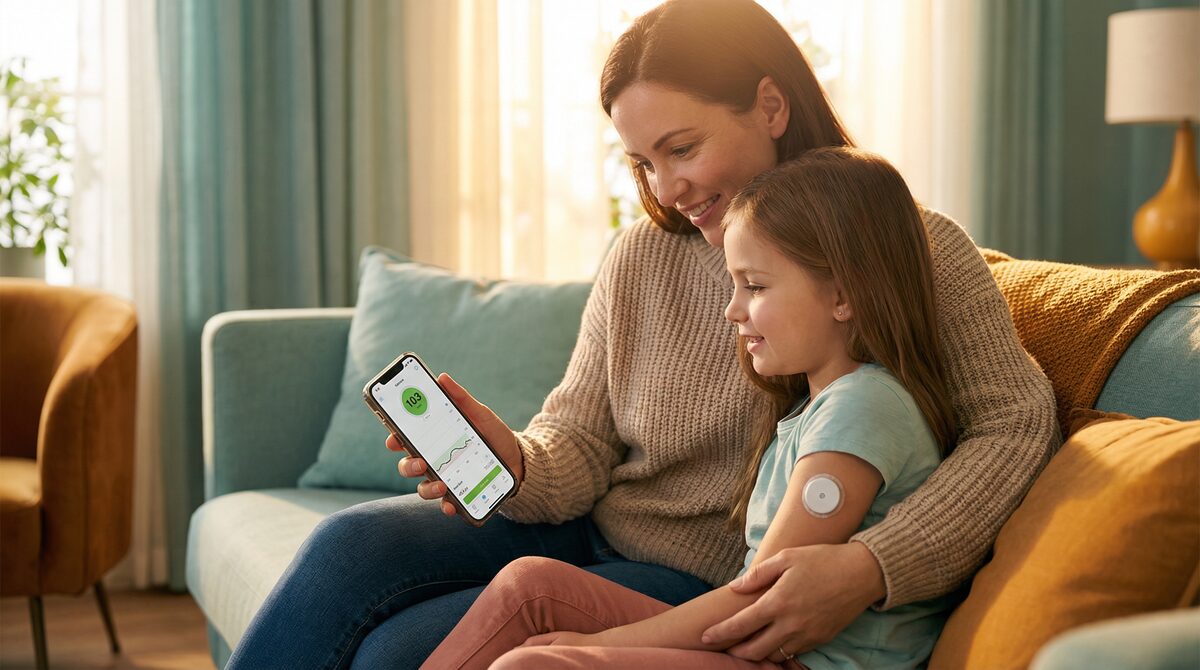
Parenting a child with type 1 diabetes means learning medical routines while still protecting childhood. Families need practical training, backup plans, school support, and emotional breathing room.
Quick summary
Type 1 diabetes care usually includes insulin, glucose monitoring, food and activity planning, hypoglycemia treatment, ketone safety, and sick-day rules. Parents should not have to figure this out alone. A diabetes team and school care plan are essential.
Key takeaways
- Children with type 1 diabetes need insulin and a plan for glucose checks, meals, activity, illness, and sleep.
- Hypoglycemia and ketones are key safety topics for parents, relatives, babysitters, coaches, and school staff.
- A written school plan can clarify snacks, insulin, CGM alerts, emergency contacts, and glucagon.
- Emotional support matters for the child, siblings, and caregivers.
The core daily tasks
Daily care often includes insulin dosing, glucose checks or CGM review, meal planning, activity planning, and bedtime safety. The exact plan changes with age, growth, puberty, illness, school routines, sports, and technology.
Low blood sugar and glucagon
Parents and caregivers should know symptoms of low blood sugar and how to treat it. If a child cannot swallow, is unconscious, or has a seizure, use glucagon if prescribed and call emergency services. School staff and other caregivers need training before an emergency happens.
Ketones and illness
Illness, missed insulin, pump failure, or very high glucose can lead to ketones. Ask the diabetes team when to check ketones, when to give correction insulin, when to encourage fluids, and when to go to urgent care.
School and emotional support
A school diabetes plan should cover supplies, snacks, insulin, glucose checks, activity, bus rides, field trips, emergency contacts, and privacy. Children also need age-appropriate involvement without being made to feel that diabetes is their fault. As children grow, the plan should shift gradually from parent-led care to shared skills, with extra support during puberty, exams, sports, travel, sleepovers, and technology changes.
What to ask your care team
- What is our written plan for lows, highs, ketones, illness, and pump or CGM problems?
- Who at school is trained to help with insulin, lows, glucagon, and emergencies?
- How should we adjust for sports, sleepovers, field trips, or growth changes?
- What mental health or family support is available?
Practical takeaway
Make safety visible: written plans, trained adults, stocked supplies, glucagon access, ketone instructions, and regular follow-up with the diabetes team.
Safety note
Seek urgent help for vomiting, ketones, rapid breathing, severe dehydration, confusion, seizure, unconsciousness, severe low blood sugar, or glucose that remains dangerously high or low despite the care plan. This information is general education and is not a substitute for medical care.
Source summary
- CDC: Just diagnosed with type 1 diabetes. Provides first-step guidance for type 1 diabetes care and family learning. Source
- CDC: Type 1 diabetes. Explains type 1 symptoms, insulin, glucose checks, and child care. Source
- NIDDK: Type 1 diabetes. Reviews type 1 treatment and monitoring. Source
- ADA: Safe at School. Provides diabetes school-care resources and planning support. Source