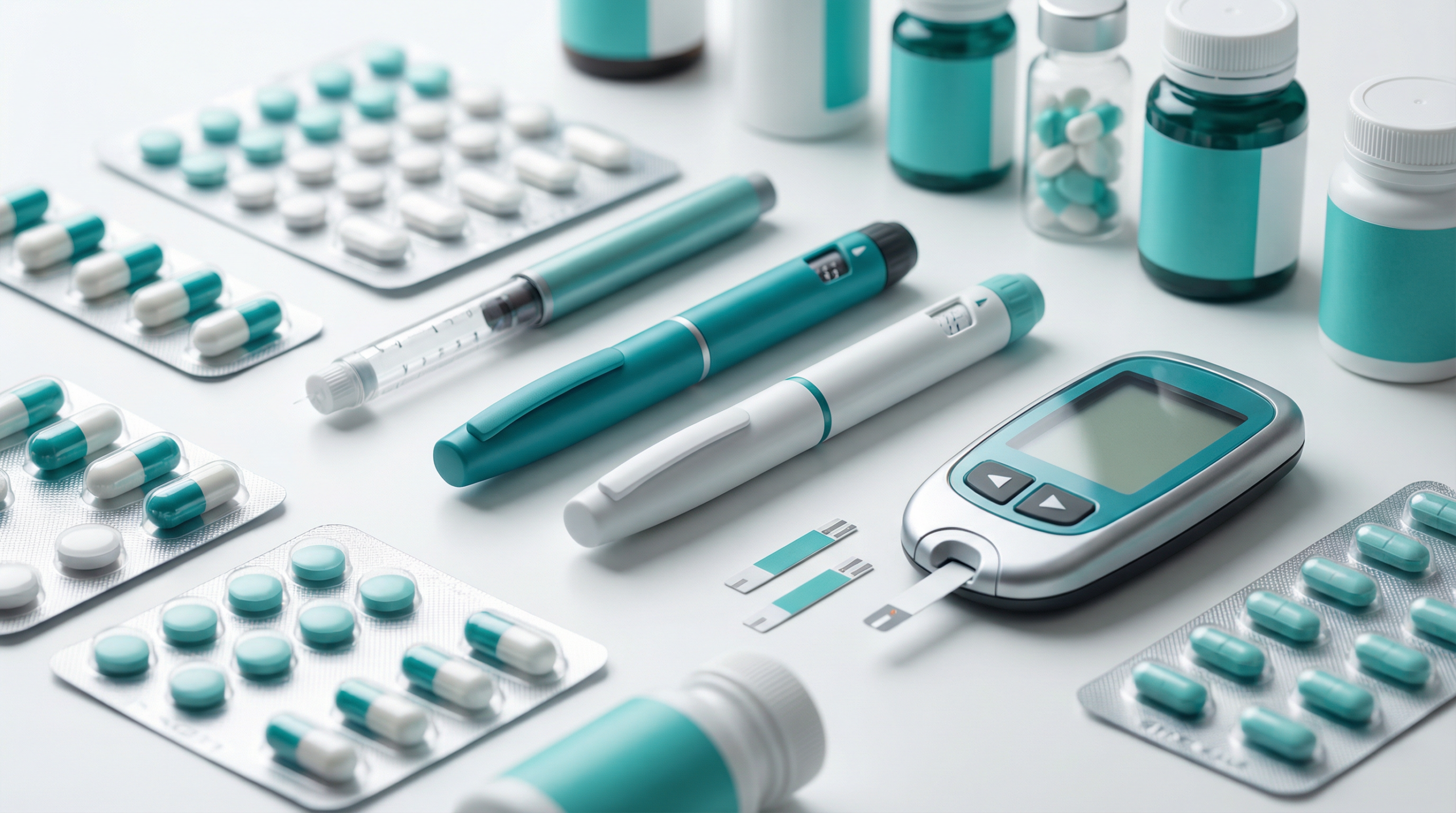
Diabetes medicines are not one-size-fits-all. The right medicine depends on diabetes type, glucose patterns, heart and kidney health, low-blood-sugar risk, cost, access, side effects, and personal goals.
Quick summary
Some people need insulin. Some use metformin, GLP-1 receptor agonists, SGLT2 inhibitors, DPP-4 inhibitors, sulfonylureas, or other medicines. Many people use more than one approach over time.
Key takeaways
- Type 1 diabetes requires insulin.
- Type 2 diabetes medicines are individualized.
- Some medicines can cause low blood sugar and some usually do not.
- Heart, kidney, weight, cost, and side effects can shape the choice.
What to compare
- How the medicine lowers glucose.
- Low-blood-sugar risk.
- Common and serious side effects.
- Kidney, heart, liver, pregnancy, and stomach considerations.
- Cost, insurance, access, and how the medicine is taken.
Why plans change
Diabetes can change over time. A medicine that worked before may need adjustment, or a new medicine may be added for heart, kidney, or weight-related reasons.
Changing medicines is not a sign of failure. It is part of matching treatment to current health needs.
A careful review should also include over-the-counter products, supplements, steroid use, missed doses, refill problems, and any recent illness. These details can change glucose patterns and can make a medication plan look less effective than it really is.
Practical takeaway
A good medication plan is understandable. You should know what each medicine does, what side effects to watch for, and when to call.
Safety note
This article is not a substitute for medical care. Seek urgent care for severe low blood sugar, allergic reaction symptoms, very high glucose with ketones, chest pain, confusion, or dehydration.
What to ask your care team
- Which medicine has the highest priority for my current goals?
- Which side effects or symptoms should make me call?
- Could cost or access affect whether this plan is realistic?
Related reading
Source summary
- Insulin, Medicines, and Other Diabetes Treatments, National Institute of Diabetes and Digestive and Kidney Diseases. Patient guidance. Accessed June 5, 2026. Source
- Diabetes Medicines, MedlinePlus, National Library of Medicine. Patient guidance. Accessed June 5, 2026. Source
- About Type 2 Diabetes, Centers for Disease Control and Prevention. Patient guidance. Accessed June 5, 2026. Source
- Ozempic Prescribing Information, DailyMed, National Library of Medicine. Drug label. Accessed June 5, 2026. Source