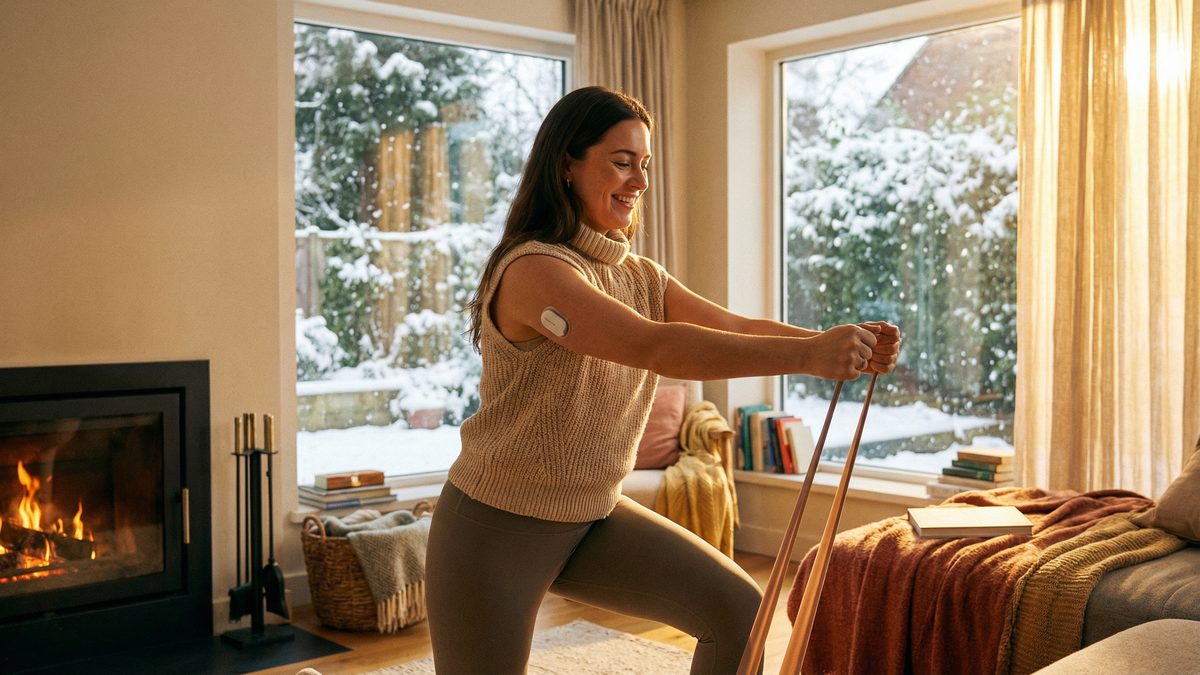
Exercise in Winter: Indoor Workout Ideas for People with Diabetes
When winter arrives with its shorter days and colder temperatures, maintaining an active lifestyle can become challenging for everyone—especially people managing diabetes. But staying active during these months isn’t just good for your overall health; it’s a crucial component of effective diabetes management. This guide offers practical indoor workout solutions that keep you moving, help regulate blood glucose levels, and boost your winter wellbeing.
Why Exercise Matters Year-Round for Diabetes Management
For people with diabetes, regular physical activity is more than just a health recommendation—it’s medicine. Exercise helps your body use insulin more efficiently, which can lead to improved blood glucose control. During physical activity, your muscles use glucose for energy, which can lower your blood sugar levels. Regular exercise also helps maintain a healthy weight, reduces cardiovascular risks, and improves your overall quality of life.
Unfortunately, research shows that physical activity levels tend to decrease by up to 37% during winter months for the general population, and even more for those with chronic conditions like diabetes. This seasonal drop in activity can lead to higher average blood glucose readings and increased insulin resistance.
ℹ️ Did You Know?
Just 150 minutes of moderate-intensity physical activity per week can improve insulin sensitivity for up to 72 hours afterward. This means consistent exercise provides ongoing benefits for blood glucose management, even on days when you’re not working out.
Special Considerations for Winter Exercise with Diabetes
Before diving into specific workout ideas, it’s important to understand how winter conditions might affect your diabetes management during exercise:
Blood Glucose Monitoring
Indoor exercise in winter may affect your blood glucose differently than outdoor activities in warmer months. Many people notice they need less insulin during and after exercise in heated indoor environments. Monitor your glucose levels before, during, and after workouts to understand your body’s patterns.
Hydration Needs
Even though you might not feel as thirsty during winter workouts, indoor exercise in heated environments can still lead to significant fluid loss. Dehydration can affect blood glucose levels, so aim to drink water before, during, and after your workout.
Foot Care
Indoor workouts typically involve less risk to your feet than outdoor winter activities, but proper footwear remains essential. Choose supportive athletic shoes that fit well and check your feet after workouts, especially if you have diabetic neuropathy.
✅ Practical Tip
Create a winter exercise kit that includes your glucose meter, fast-acting carbohydrate snacks, a water bottle, and proper workout attire. Having everything prepared makes it easier to maintain consistent exercise habits despite the season.
Effective Indoor Workout Options for Diabetes Management
The ideal exercise program for diabetes management includes a mix of cardio, strength training, and flexibility work. Here are indoor options that cover all three categories:
Home-Based Cardio Workouts
Cardiovascular exercise is excellent for improving insulin sensitivity and heart health. These options require minimal space and equipment:
- Walking in place: Simple but effective. March in place while watching TV, adding high knees or arm movements to increase intensity.
- Indoor step exercises: Use the bottom stair of your staircase or a sturdy step platform for step-ups.
- Dance workouts: Follow along with online dance fitness videos that match your preferred intensity level.
- Jump rope: If your joints allow and you have adequate ceiling height, jumping rope provides excellent cardio in minimal space.
- Cardio boxing: Shadow boxing with punching combinations raises your heart rate without equipment.
Strength Training for Blood Sugar Management
Resistance training is particularly beneficial for people with diabetes as it can improve insulin sensitivity for up to 24 hours after your workout. Try these home-friendly options:
- Bodyweight exercises: Squats, lunges, push-ups, and planks use your body weight for resistance.
- Resistance bands: These inexpensive, portable bands can replicate most gym machine exercises.
- Household items as weights: Water bottles, canned goods, or books can substitute for dumbbells.
- Chair exercises: Chair dips, seated leg lifts, and chair squats are gentle yet effective.
| Exercise Type | Blood Glucose Effects | Best Time to Perform |
|---|---|---|
| Cardio (moderate) | May lower BG during and shortly after | Anytime; good for lowering elevated BG |
| Strength Training | May temporarily raise BG, improves insulin sensitivity long-term | Earlier in day; benefits last 12-24 hours |
| Flexibility/Yoga | Minimal immediate effect; helps stress management | Evening can help with sleep and next-day BG |
Flexibility and Balance Work
Flexibility exercises improve joint mobility and can help prevent diabetes-related joint issues. They’re also excellent for stress reduction, which can impact blood glucose management:
- Yoga: Follow beginner-friendly online yoga videos designed for home practice.
- Stretching routines: Simple full-body stretching for 10-15 minutes daily improves flexibility.
- Tai Chi: This gentle flowing movement practice improves balance and reduces stress.
Technology and Resources for Indoor Winter Workouts
The digital age offers numerous resources to keep your indoor workouts engaging:
Diabetes-Friendly Fitness Apps
Several fitness apps now include features specifically for people with diabetes:
- Apps that integrate with glucose monitors to suggest workout intensity based on current readings
- Programs with built-in glucose tracking before and after workouts
- Adaptive workouts that adjust based on your energy levels and glucose patterns
Online Fitness Classes
Many fitness instructors and diabetes educators offer online classes specifically designed for people with diabetes:
- Live-streamed classes where instructors can provide diabetes-specific modifications
- On-demand workouts categorized by intensity and potential glucose impact
- Community-based virtual fitness groups for people with diabetes
ℹ️ Did You Know?
Research shows that exercising at the same time each day leads to more consistent blood glucose responses. Your body adapts to routine, making glucose management more predictable. Try scheduling winter workouts at the same time daily to establish both a habit and more predictable glucose patterns.
Creating a Sustainable Winter Exercise Routine
The key to winter exercise success is creating a routine you’ll actually maintain:
Start Small and Build Gradually
Begin with just 10-15 minutes daily if you’re new to exercise or returning after a break. Gradually increase duration and intensity as your fitness improves. This approach is not only more sustainable but also safer for blood glucose management.
Mix It Up to Stay Engaged
Alternate between different types of workouts to prevent boredom and work different muscle groups. For example, try cardio on Monday, strength training on Tuesday, yoga on Wednesday, and so on.
Track Your Progress
Keep a simple log of your workouts alongside your glucose readings to identify patterns and see improvements. This can be highly motivating during the winter months when motivation might wane.
✅ Practical Tip
Create a designated exercise space in your home, even if it’s just a corner of a room with a yoga mat and a few basic items. Having a dedicated area removes barriers to starting your workout and serves as a visual reminder of your commitment to staying active.
When to Consult Your Healthcare Team
While exercise is beneficial for most people with diabetes, certain situations warrant a conversation with your healthcare provider:
- If you’re just starting an exercise program after being sedentary
- If you experience unusual blood glucose patterns during or after exercise
- If you have diabetes complications like retinopathy, neuropathy, or cardiovascular issues
- If you’re unsure about how to adjust medication or insulin around exercise
Your healthcare team can provide personalized guidance on exercise timing, intensity, and any necessary adjustments to your diabetes management plan.
✅ Key Takeaway
Winter doesn’t have to derail your diabetes management or fitness routine. With creative indoor workout options, you can maintain—or even improve—your physical activity levels despite the cold weather outside. Consistent exercise throughout winter helps maintain stable blood glucose levels, supports your mental health during darker months, and sets you up for success year-round. Remember that even short bursts of activity add up, so focus on consistency rather than perfection.
Disclaimer: The information provided in this article is for educational purposes only and should not replace professional medical advice. Always consult with your healthcare team before making changes to your diabetes management plan.