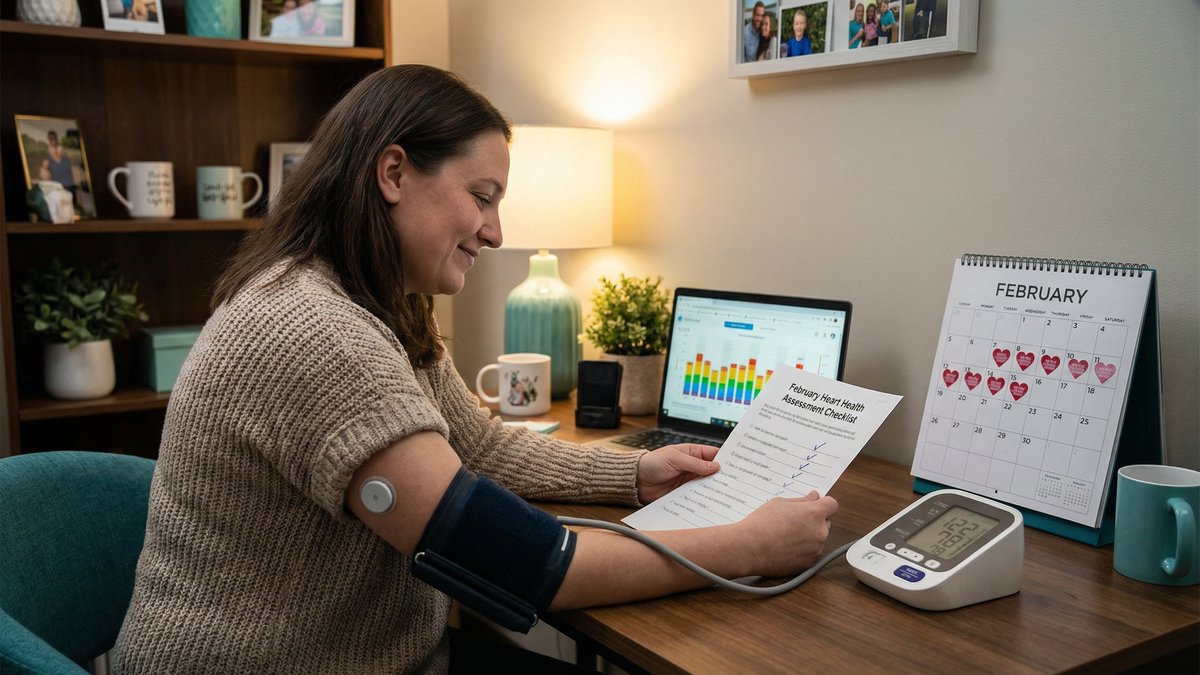
Diabetes and heart health are closely connected. A heart-health assessment does not need to start with fear. It can start with a clear review of the numbers and symptoms that guide prevention.
Quick summary
CDC says people with diabetes are more likely to develop heart disease and that blood pressure, cholesterol, smoking, and other factors matter. Lab timing, target ranges, and heart testing should be individualized with a clinician rather than treated as a self-ordered checklist.
Key takeaways
- Heart risk is not based on glucose alone.
- Blood pressure, LDL cholesterol, triglycerides, kidney health, smoking, sleep, and family history all matter.
- A1C is useful, but it is not the whole heart-health picture.
- Chest pain, stroke symptoms, and severe shortness of breath need urgent care.
Start with the core numbers
Clinicians often review A1C, blood pressure, LDL cholesterol, HDL cholesterol, triglycerides, kidney function, urine albumin, weight pattern, and smoking status as part of routine care when appropriate. These numbers are reviewed together because diabetes affects blood vessels and can overlap with high blood pressure, kidney disease, and cholesterol problems.
Ask what goal applies to you
Targets can differ by age, diabetes duration, pregnancy plans, kidney disease, prior heart disease, medication tolerance, and risk for lows. The point is to know the clinician-directed plan for your blood pressure, cholesterol, glucose, kidney checks, and smoking status, not to chase someone else’s number.
When testing may enter the conversation
Heart testing decisions depend on symptoms, medical history, and risk factors. Not everyone needs the same test, and this article should not be used to order or delay testing. Tell your clinician about chest discomfort, shortness of breath, fainting, palpitations, leg swelling, exercise intolerance, or family history of early heart disease.
Make prevention practical
Prevention can include blood pressure control, cholesterol treatment, glucose management, not smoking, movement, sleep, food changes, kidney care, and medicines when appropriate. If cost, side effects, or confusion get in the way, that is part of the assessment too.
What to ask your care team
- What are my current A1C, blood pressure, LDL, triglycerides, kidney, and urine albumin results?
- What heart-risk goal matters most for me right now?
- Do my symptoms or history suggest a need for heart testing?
- Are side effects, costs, smoking, sleep, or stress affecting my heart plan?
Practical takeaway
A diabetes heart-health assessment is a practical review of numbers, symptoms, risks, and barriers so prevention can be targeted instead of vague.
Safety note
Seek urgent care for chest pain or pressure, pain spreading to the arm or jaw, severe shortness of breath, fainting, stroke symptoms, sudden severe weakness, severe low glucose, or high glucose with vomiting, ketones, dehydration, confusion, or trouble breathing. This information is general education and is not a substitute for medical care.
Source summary
- CDC: Diabetes and your heart. Explains heart disease risk factors in diabetes, including blood pressure and cholesterol. Source
- NIDDK: Diabetes, heart disease, and stroke. Explains cardiovascular risk, blood pressure, cholesterol, smoking, and prevention in diabetes. Source
- CDC: About cholesterol. Explains LDL, HDL, triglycerides, cholesterol testing, and cardiovascular risk. Source
- CDC: About high blood pressure. Defines high blood pressure and explains risks for heart, brain, kidneys, and eyes. Source