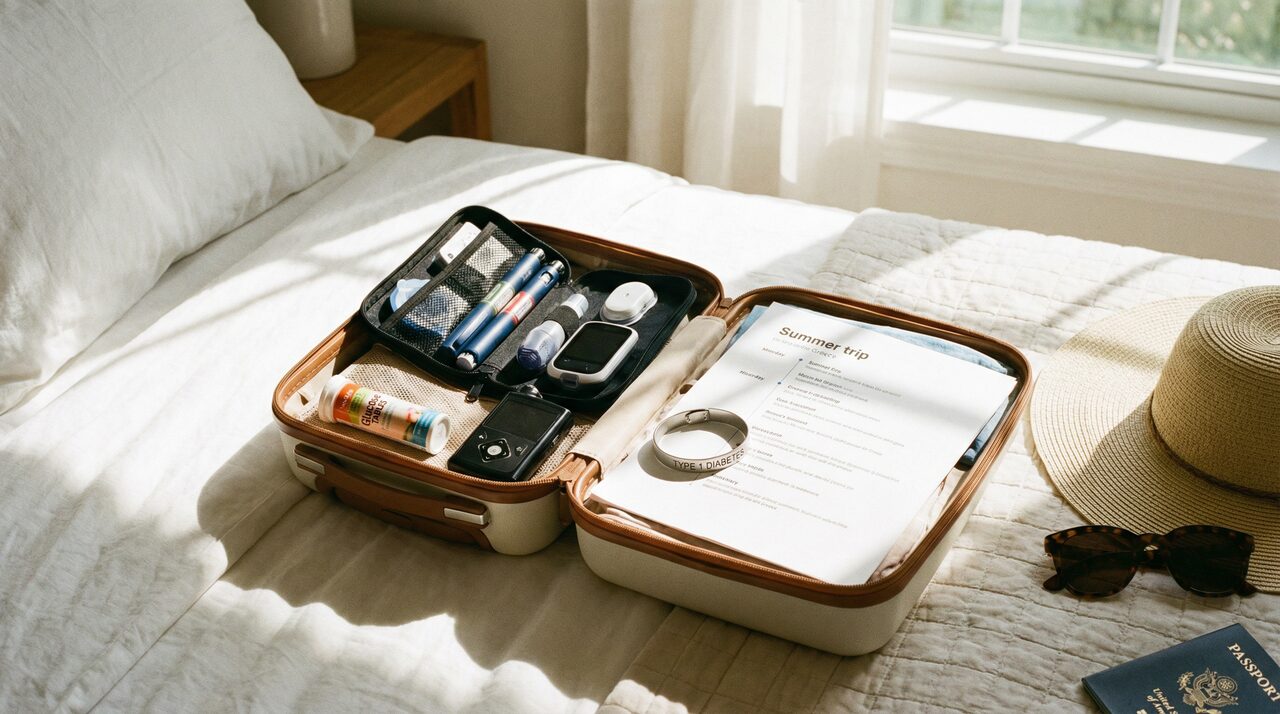
Living with diabetes doesn’t mean you have to miss out on the fun of festivals and events. With careful planning and preparation, you can enjoy these experiences safely and confidently. Whether it’s a music festival, a family reunion, or a sporting event, understanding how to manage your diabetes in dynamic environments is key.
Key takeaways
- Pack extra diabetes supplies and keep medicines, devices, snacks, and treatment for lows accessible.
- Check manufacturer instructions for heat, water, scanner, and storage limits on your specific products.
- Make a backup plan for delays, illness, lost supplies, and local medical care.
Why this matters when you live with diabetes
Festivals and events often involve changes to your usual routine, meal times, activity levels, and exposure to varying temperatures. These shifts can significantly impact blood glucose levels. For individuals managing diabetes, unexpected changes can lead to hyperglycemia (high blood sugar) or hypoglycemia (low blood sugar), both of which can be dangerous if not addressed promptly. Being prepared helps you maintain stable blood glucose and prevents potential complications, allowing you to fully engage in the experience.
What to do before you go: Essential planning
Thorough preparation is your best defense against diabetes-related challenges at events. Start planning several weeks in advance, especially if you’re traveling.
Consult Your Healthcare Team
Before attending any major event, especially if it involves travel or significant activity changes, discuss your plans with your doctor or diabetes educator. They can help you adjust medication dosages, provide advice on managing blood glucose in different environments, and offer a letter of medical necessity for your supplies, which can be crucial for travel.
Pack Smart: Your Diabetes Checklist
Creating a comprehensive packing list ensures you don’t forget essential supplies. Always pack more than you think you’ll need, especially for insulin, test strips, and pump supplies.
- Medications: Insulin (if applicable), oral medications, glucagon emergency kit, and any other prescribed drugs. Pack these in your carry-on if flying.
- Blood Glucose Monitoring Supplies: Glucose meter, test strips, lancets, and a lancing device. Consider a continuous glucose monitor (CGM) if you don’t already use one, as it provides real-time data.
- Hypoglycemia Treatment: Fast-acting carbohydrates like glucose tablets, glucose gel, juice boxes, or hard candies. Always have these readily accessible.
- Snacks: Non-perishable, diabetes-friendly snacks to prevent hunger and manage blood sugar fluctuations, especially if meal times are unpredictable.
- Hydration: Reusable water bottle. Staying hydrated is critical, particularly in warm weather.
- Medical Identification: Wear a medical ID bracelet or necklace, and carry a diabetes ID card with emergency contact information and medication details.
- Prescriptions: Copies of all prescriptions, especially for insulin and other diabetes medications. This is vital for travel.
- Cooler Bag: For insulin and other temperature-sensitive medications. Ensure it’s well-insulated with ice packs.
Travel Documentation
If your event involves air travel, be aware of airport security rules. Insulin and other medically necessary liquids are exempt from the 3-1-1 rule for carry-ons. Inform airport security officers about your diabetes supplies. A medical documentation may be useful, especially for travel outside your usual airport system.
Practical steps you can use this week
Once you’re at the event, proactive management is key to enjoying yourself without compromising your health.
Monitor Blood Glucose Frequently
Changes in activity, food, and stress can all affect your blood sugar. Check your blood glucose more often than usual. If you use a CGM, pay close attention to trends and alarms. Be prepared to adjust insulin or medication doses as needed, based on your healthcare team’s guidance.
Stay Hydrated and Manage Heat Exposure
Many outdoor festivals occur in warm weather. Dehydration can elevate blood glucose levels and increase the risk of heat-related illnesses. Drink plenty of water throughout the day. Avoid sugary drinks and excessive alcohol, which can interfere with blood sugar management. Seek shade, wear light clothing, and take breaks in cooler areas. Protect your insulin and other supplies from direct sunlight and extreme heat; temperatures above 86 degrees Fahrenheit (30 degrees Celsius) can damage insulin.
Foot Care
Long periods of standing or walking are common at events. Wear comfortable, supportive shoes and check your feet daily for blisters, cuts, or sores. Even minor foot injuries can become serious for people with diabetes.
Food Choices
Navigating food vendors can be challenging. Plan your meals and snacks. Look for healthier options, and don’t be afraid to ask about ingredients. If you’re unsure, stick to foods you know and trust. Always have your fast-acting carbohydrates for hypoglycemia on hand.
Emergency Planning
Know where the first aid stations are located. Inform a trusted friend or family member about your diabetes and what to do in case of an emergency, including how to administer glucagon if necessary. Ensure they know where your emergency supplies are kept.
When to call your healthcare professional
Certain situations warrant immediate contact with your healthcare team or emergency services. Do not hesitate to seek help if you experience:
- Persistent High Blood Glucose: If your blood sugar remains high despite corrective measures.
- Frequent or Severe Hypoglycemia: If you are experiencing repeated low blood sugar episodes or a severe low that you cannot manage on your own.
- Signs of Dehydration or Heatstroke: Symptoms like dizziness, confusion, rapid pulse, or inability to sweat.
- Unexplained Illness: Nausea, vomiting, severe abdominal pain, or flu-like symptoms.
- Foot Injuries: Any cut, blister, or sore on your foot that doesn’t heal quickly or shows signs of infection.
Questions to ask at your next visit
- “How should I adjust my insulin or medication dosages for increased activity or travel?”
- “What are the specific temperature thresholds for my insulin and other medications?”
- “Can you provide a letter of medical necessity for my diabetes supplies for travel?”
- “What are the signs of heat exhaustion and heatstroke, and what should I do if I experience them?”
- “Are there any specific concerns I should have given my current health status and the type of event I’m attending?”
Medical note: This article is for education only and does not replace care from your healthcare professional. If you use insulin or medicines that can cause low blood glucose, are pregnant, have kidney disease, heart disease, vision problems, neuropathy, or other diabetes-related complications, discuss changes to food, activity, medicines, devices, or travel plans with your diabetes care team.