See also: Diabetes Medications: a complete guide — our complete pillar guide.
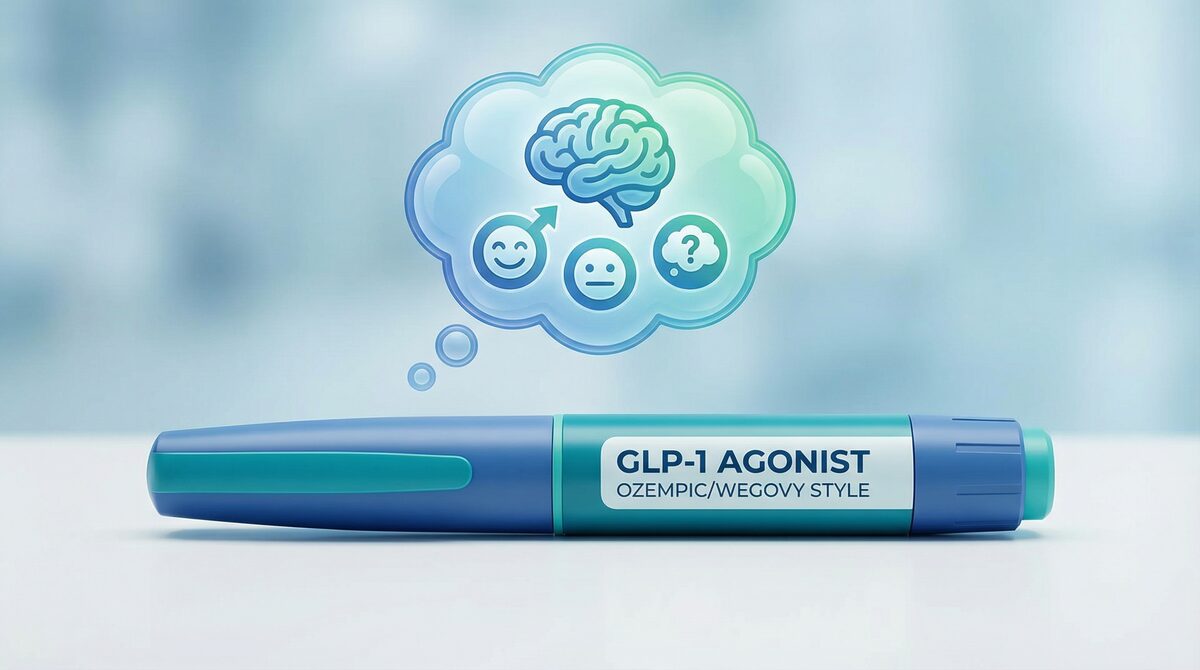
Glucagon-like peptide-1 (GLP-1) receptor agonists have revolutionised the management of type 2 diabetes and obesity, offering significant benefits in blood sugar control and weight loss. However, understanding their full spectrum of effects, including potential impacts on mood and mental well-being, is crucial. This article delves into the complex relationship between GLP-1 medications and mood changes, providing an evidence-based overview for individuals considering or currently using these treatments.
Understanding GLP-1 Medications
GLP-1 receptor agonists, such as semaglutide (Ozempic, Wegovy) and liraglutide (Victoza, Saxenda), mimic the action of a natural hormone called GLP-1. This hormone plays a vital role in regulating appetite, insulin secretion, and gastric emptying. By activating GLP-1 receptors, these medications help to lower blood glucose levels, promote satiety, and lead to weight reduction. Their efficacy in metabolic health is well-established, but their influence extends beyond physical parameters.
The Dual Impact on Mood: A Complex Picture
The relationship between GLP-1 medications and mood is multifaceted, with studies reporting both positive and negative effects. For many, the improvements in physical health—such as weight loss and better diabetes control—can significantly enhance mood, self-esteem, and overall quality of life. Conversely, some individuals experience adverse psychiatric effects, including anxiety, depression, and, in rare cases, suicidal ideation.
Positive Effects on Mood
Several studies suggest that GLP-1 receptor agonists may have antidepressant and anxiolytic properties. Research indicates that these medications can reduce symptoms of depression and anxiety in some patients, particularly those with type 2 diabetes. The mechanisms behind these positive effects are thought to involve direct actions on brain regions associated with mood regulation, as well as indirect benefits stemming from improved metabolic health. For instance, better blood sugar control can alleviate the psychological burden of managing a chronic condition, contributing to a more positive outlook.
Potential Negative Effects and Concerns
Despite the potential benefits, a notable proportion of users report experiencing negative mood changes. These can range from increased anxiety and depressive symptoms to emotional blunting, where individuals feel a reduced capacity to experience emotions. Some studies have highlighted a higher risk of major depression and anxiety in patients using GLP-1 receptor agonists. The exact reasons for these adverse effects are not fully understood but may involve individual physiological responses, pre-existing mental health conditions, or the psychological adjustments associated with rapid weight loss.
⚠️ Warning: Monitoring Mental Health
It is imperative for individuals taking GLP-1 medications to monitor their mental health closely. Any new or worsening symptoms of depression, anxiety, or unusual mood changes should be promptly discussed with a healthcare professional. Early detection and intervention are key to managing these potential side effects effectively.
Suicidal Ideation: A Serious Consideration
The most serious concern associated with GLP-1 medications is the potential for suicidal thoughts or actions. While rare, regulatory bodies like the FDA have investigated these reports. Although a direct causal link has not been definitively established, the possibility necessitates careful consideration. Patients with a history of depression or suicidal ideation should be particularly vigilant and engage in open communication with their doctors.
ℹ️ Info: The Brain-Gut Connection
The gut-brain axis plays a significant role in mood regulation. GLP-1 receptors are present in both the gut and the brain, suggesting a direct pathway through which these medications can influence neurological functions. Changes in gut microbiota composition, often observed with GLP-1 use, could also indirectly impact mood by altering neurotransmitter production and inflammatory responses.
Managing Mood Changes While on GLP-1 Medications
If you are experiencing mood changes while on GLP-1 medications, several strategies can help:
- Open Communication: Discuss all symptoms, including mental health concerns, with your doctor. They can assess whether the medication is contributing to these changes and adjust your treatment plan if necessary.
- Mental Health Support: Consider seeking support from a mental health professional. Therapy, counselling, or medication for mood disorders can be beneficial.
- Lifestyle Adjustments: Maintain a balanced diet, engage in regular physical activity, ensure adequate sleep, and practice stress-reduction techniques. These lifestyle factors are crucial for overall mental well-being.
- Support Networks: Connect with friends, family, or support groups. Sharing your experiences can provide comfort and practical advice.
✅ Tip: Holistic Approach to Well-being
Managing diabetes and weight is a journey that encompasses both physical and mental health. Adopting a holistic approach, which includes regular medical check-ups, mental health screenings, and proactive self-care, can lead to better outcomes and a more balanced life.
Conclusion
GLP-1 medications offer considerable advantages for individuals with type 2 diabetes and obesity. While their primary actions are metabolic, their influence on mood is a significant aspect that requires attention. Both positive and negative psychiatric effects have been reported, underscoring the importance of individualised care and vigilant monitoring. By fostering open dialogue with healthcare providers and adopting comprehensive well-being strategies, individuals can navigate the emotional landscape associated with GLP-1 medications more effectively.
✅ Key Takeaway
GLP-1 medications can impact mood in various ways, from improving self-esteem due to weight loss to potentially causing anxiety or depression. Close monitoring of mental health and open communication with healthcare professionals are essential for safe and effective treatment.