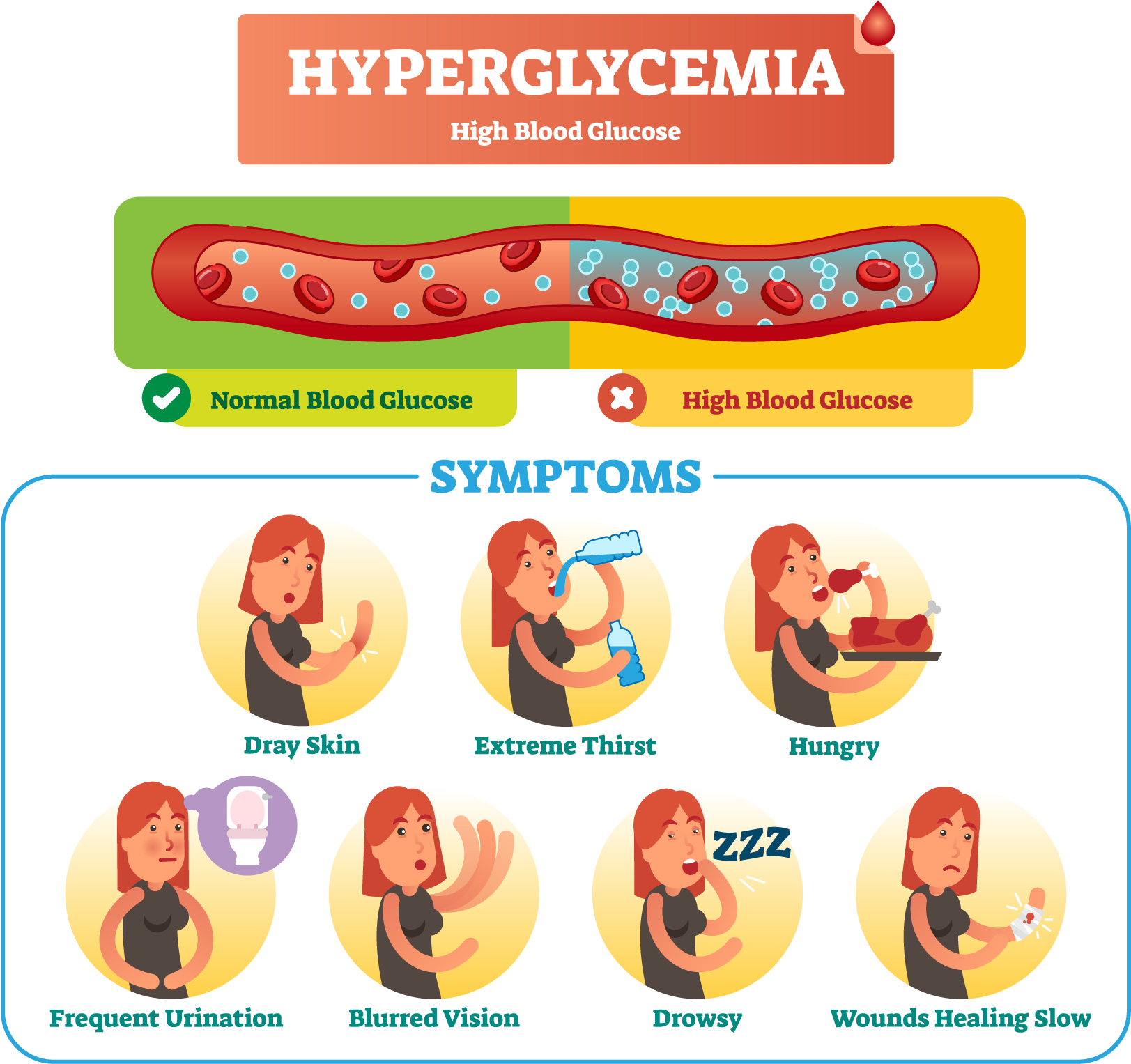
Type 2 diabetes is the most common form of diabetes, affecting around 90% of all people with the condition. It develops when the body becomes resistant to insulin or stops producing enough of it, causing blood glucose to rise.
Most people are diagnosed in adulthood, often after a routine blood test. Many have lived with raised glucose for years before symptoms appear.
What you’ll find in our complete guide
- Symptoms, risk factors, and who’s most at risk
- How type 2 diabetes is diagnosed (HbA1c, fasting glucose, OGTT)
- Diet and lifestyle treatment
- Modern medications — metformin, GLP-1 agonists, SGLT2 inhibitors
- When and how remission is possible
Latest articles on Type 2 Diabetes
Carbimazole: Understanding its Uses and Benefits: practical, NICE-aligned diabetes nutrition guidance — what the evidence shows, how to apply it
Carbimazole: Understanding its Uses and Benefits: practical, NICE-aligned diabetes nutrition guidance — what the evidence shows, how to apply it
How to diagnose diabetes mellitus?: evidence-based guidance reviewed against current NICE and ADA recommendations. Practical, plain-language information for.
How to diagnose diabetes mellitus?: evidence-based guidance reviewed against current NICE and ADA recommendations. Practical, plain-language information for.
What are the symptoms of high blood glucose?: evidence-based guidance reviewed against current NICE and ADA recommendations. Practical, plain-language.
What are the symptoms of high blood glucose?: evidence-based guidance reviewed against current NICE and ADA recommendations. Practical, plain-language.
Diabetes and Gallstones: Is there a link?: evidence-based guidance reviewed against current NICE and ADA recommendations. Practical, plain-language.
Diabetes and Gallstones: Is there a link?: evidence-based guidance reviewed against current NICE and ADA recommendations. Practical, plain-language.
Diabulimia: Eating disorder affecting type 1 diabetes: type 1 diabetes guidance based on NICE NG17 and ADA Standards of Care
Diabulimia: Eating disorder affecting type 1 diabetes: type 1 diabetes guidance based on NICE NG17 and ADA Standards of Care