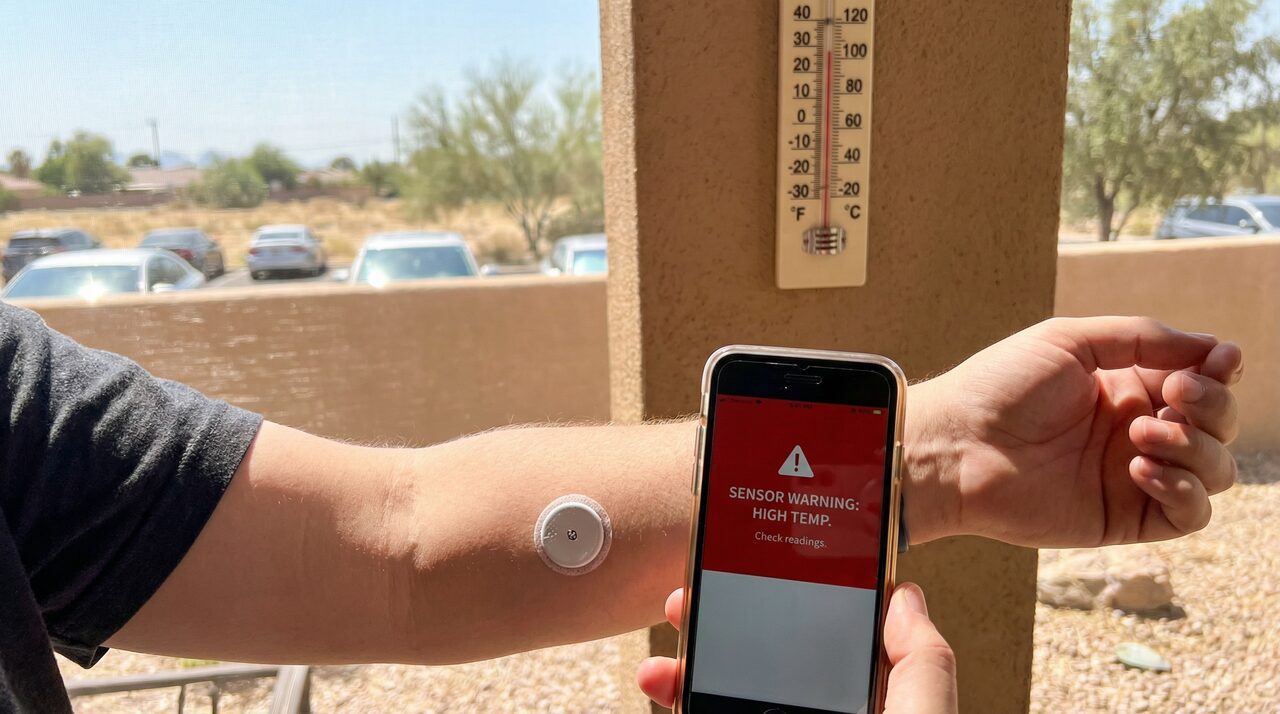
Summer brings longer days, warmer weather, and often, opportunities for travel and outdoor adventures. For individuals managing diabetes with insulin, these changes also introduce a critical consideration: how to keep insulin cool and effective. Insulin is a delicate medication that can lose its potency when exposed to extreme temperatures, potentially leading to dangerously high blood sugar levels. Understanding how to protect your insulin, especially during hot weather or while traveling, is key to maintaining stable blood glucose and enjoying your summer safely.
Key takeaways
- Pack extra diabetes supplies and keep medicines, devices, snacks, and treatment for lows accessible.
- Check manufacturer instructions for heat, water, scanner, and storage limits on your specific products.
- Make a backup plan for delays, illness, lost supplies, and local medical care.
Why this matters when you live with diabetes
Insulin is a protein, and like many proteins, its structure can be damaged by heat. Once insulin is exposed to temperatures outside the manufacturer’s recommended range, it can become less effective or even completely inactive. For many products this means refrigerated when unopened and a limited time at room temperature when opened, but exact limits vary. Check your specific insulin’s package insert for product-specific storage and in-use instructions. Different insulin types and devices, including vials, pens, and pump cartridges, can have different safe temperature ranges and time limits. Exact limits vary by product; the package insert and manufacturer instructions govern storage and in-use time. Heat or freezing may permanently affect insulin, so follow the product label and contact a pharmacist or clinician if you are unsure whether it is still safe to use. Using compromised insulin means your body isn’t getting the medication it needs, which can lead to hyperglycemia, diabetic ketoacidosis (DKA), and other serious complications. This risk is amplified during summer months when temperatures soar, or when travel exposes your supplies to unpredictable environments like hot cars, sunny beaches, or luggage compartments.
What to do before you start
Preparation is your best defense against heat-damaged insulin. Before summer fully arrives or before any trip, take these proactive steps:
- Consult Your Healthcare Team: Discuss your summer plans, especially if they involve travel to different climates or significant changes in activity. Your doctor or diabetes educator can offer personalized advice on insulin storage, dose adjustments, and emergency protocols.
- Review Insulin Storage Guidelines: Re-familiarize yourself with the specific temperature requirements for your insulin type. Unopened insulin typically requires refrigeration, while opened insulin can often be kept at room temperature for a certain period (check your insulin’s package insert for exact details).
- Gather Essential Supplies: Ensure you have appropriate cooling solutions, extra insulin, and all necessary diabetes supplies. Don’t wait until the last minute.
- Check Travel Documentation: If traveling by air, familiarize yourself with airline and Transportation Security Administration (TSA) guidelines for carrying medications and medical devices. Medical documentation can be helpful, especially for international travel.
Practical steps you can use this week
Here’s a checklist of actionable strategies to keep your insulin safe and effective, whether you’re at home or exploring new destinations:
At Home and Daily Outings:
- Mind the Thermostat: Keep your home’s indoor temperature stable, especially in rooms where insulin is stored. Avoid leaving insulin near windows, in direct sunlight, or close to heat sources like stoves or radiators.
- Cooler Bags for Errands: When heading out, even for short periods, use an insulated bag with a cold pack for your insulin. Do not place insulin directly against ice or cold packs, because this can freeze the insulin and make it ineffective or unsafe to use.
- Never in the Car: The interior of a parked car can reach extreme temperatures very quickly, even on a moderately warm day. Do not leave insulin, pens, vials, or pumps in a car.
- Hydration is Key: While not directly about insulin storage, staying well-hydrated helps your body manage blood sugar and cope with heat, reducing the overall stress on your system.
For Travel and Adventures:
- Pack Smart: Always pack insulin and all essential diabetes supplies in your carry-on luggage. Checked baggage can be exposed to extreme temperatures and pressure changes, and there’s always a risk of bags being lost.
- Insulated Travel Cases: An insulated travel case, gel pack, or evaporative cooling pouch can be useful, but these are optional examples rather than endorsements. Follow the insulin label and device instructions.
- Extra Supplies: Always pack more insulin, syringes/pens, test strips, and pump supplies than you think you’ll need. Delays can happen, and access to pharmacies might be limited.
- Emergency Kit: Carry a small emergency kit with fast-acting glucose, glucagon, and contact information for your healthcare provider.
- Airport Security: Inform airport security officers that you have diabetes and are carrying medical supplies. For U.S. travel, TSA allows medically necessary liquids and supplies with screening and declaration according to TSA medical item rules. Keep insulin clearly labeled.
- Time Zone Adjustments: If traveling across time zones, discuss with your doctor how to adjust your insulin schedule to avoid hypo- or hyperglycemia.
- Stay Active, Stay Hydrated: During long flights or car rides, get up and move around periodically to promote circulation. Drink plenty of water to prevent dehydration.
- Foot Checks: Heat and increased activity can put feet at risk. Check your feet daily for blisters, cuts, or sores, especially if you’re walking more than usual.
When to call your healthcare professional
While careful planning helps, sometimes issues arise. Contact your healthcare provider immediately if:
- You suspect your insulin has been exposed to extreme temperatures and may be compromised.
- You experience unexplained high blood sugar levels despite taking your usual insulin doses.
- You develop symptoms of dehydration, heat exhaustion, or heatstroke (e.g., excessive thirst, dizziness, confusion, rapid pulse, nausea, vomiting).
- You have any concerns about adjusting your insulin regimen for travel or hot weather.
- You notice any changes in your vision, or develop new or worsening foot problems.
These are red flags that require prompt medical attention to prevent serious complications.
Questions to ask at your next visit
To ensure you’re fully prepared for summer and any travel plans, consider asking your healthcare team:
- “What are the specific temperature limits for my insulin, both opened and unopened?”
- “Do I need to adjust my insulin doses if I’m more active or traveling to a different climate?”
- “What should I do if I suspect my insulin has been damaged by heat?”
- “Can you provide a letter for airline travel regarding my diabetes supplies?”
- “Are there any new cooling products or strategies you recommend for insulin storage?”
Medical note: This article is for education only and does not replace care from your healthcare professional. If you use insulin or medicines that can cause low blood glucose, are pregnant, have kidney disease, heart disease, vision problems, neuropathy, or other diabetes-related complications, discuss changes to food, activity, medicines, devices, or travel plans with your diabetes care team.