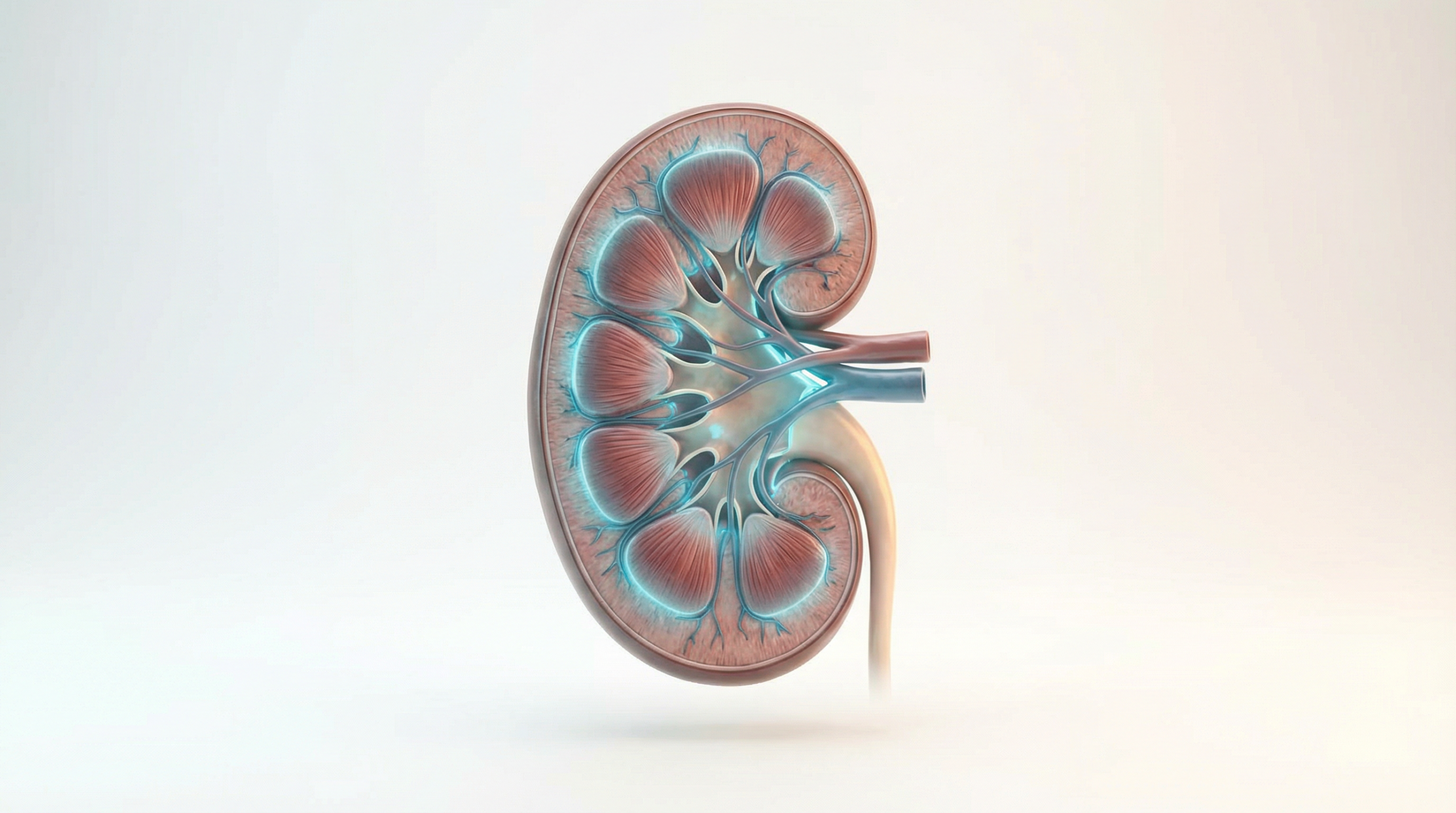
NSAIDs such as ibuprofen and naproxen are common pain relievers, but they are not risk-free. For some people with diabetes, especially those with kidney disease, dehydration, heart disease, high blood pressure, or certain blood pressure medicines, NSAIDs can raise kidney and cardiovascular risk.
Quick summary
The issue is not that every NSAID dose is dangerous for every person. The issue is that diabetes often travels with risk factors that make over-the-counter pain medicine worth discussing.
Key takeaways
- NSAIDs can reduce kidney blood flow in susceptible people.
- Risk is higher with chronic kidney disease, dehydration, older age, heart failure, diuretics, ACE inhibitors, ARBs, or high blood pressure.
- NSAIDs can raise blood pressure and increase fluid retention in some people.
- Ask what pain-relief options are safest for your kidney and heart profile.
Why kidneys are vulnerable
Kidneys depend on steady blood flow. NSAIDs can interfere with prostaglandins that help maintain kidney blood flow, especially during dehydration, illness, or when other medicines affect kidney blood pressure.
People with diabetes may already have early kidney changes, high blood pressure, or vascular disease. That can make the margin for NSAID safety smaller.
When to ask before using NSAIDs
- You have chronic kidney disease or albumin in the urine.
- You take an ACE inhibitor, ARB, diuretic, blood thinner, or lithium.
- You have heart failure, uncontrolled blood pressure, liver disease, stomach ulcers, or prior bleeding.
- You are vomiting, dehydrated, fasting, or acutely ill.
- You need pain medicine for more than a short period.
What to discuss instead
Pain relief depends on the cause of pain. Options may include acetaminophen, topical treatments, physical therapy, heat or cold, targeted treatment, or specialist review. The safest choice depends on liver health, kidney function, bleeding risk, and other medicines.
Practical takeaway
Before reaching for NSAIDs repeatedly, check your kidney status and medication list. Over-the-counter does not mean automatically safe.
Safety note
This article is not a substitute for medical care. Seek urgent care for low urine output, swelling, shortness of breath, black stools, vomiting blood, severe allergic reaction, chest pain, or sudden severe weakness.
What to ask your care team
- What does this mean for my diabetes, heart, kidney, medicine, or monitoring plan?
- Which symptoms, readings, or side effects should prompt urgent care?
- Do any tests, prescriptions, follow-up visits, or safety instructions need review?
Related reading
Source summary
- Adverse Effects of NSAIDs on the Kidney, U.S. Food and Drug Administration. Safe Use Initiative. Accessed June 3, 2026. Source
- Pain Medicines and Kidney Disease, National Kidney Foundation. Patient guidance. Accessed June 3, 2026. Source
- Diabetic Kidney Disease, National Institute of Diabetes and Digestive and Kidney Diseases. Patient guidance. Accessed June 3, 2026. Source
- Diabetes and Your Heart, Centers for Disease Control and Prevention. Patient guidance. Accessed June 3, 2026. Source