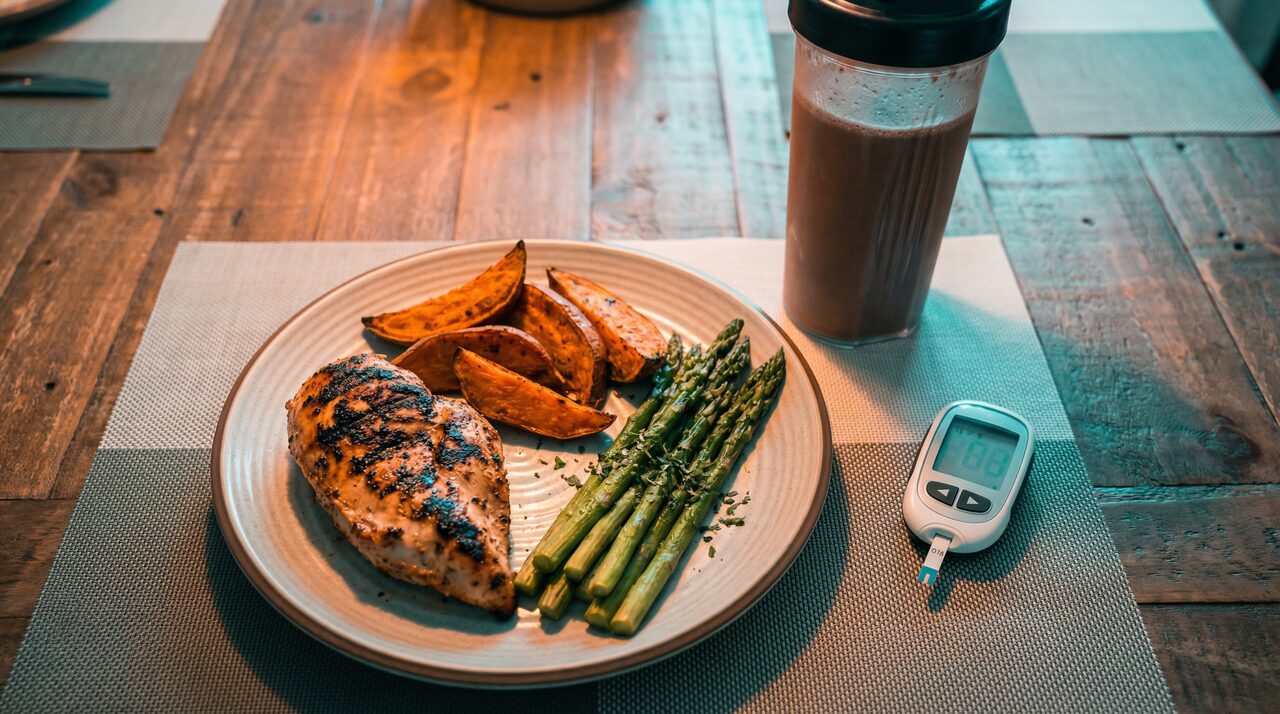
After exercise, blood sugar can rise, fall, or stay steady depending on the activity, medicines, insulin timing, food, stress, and fitness level.
Quick summary
Post-workout nutrition should be based on glucose pattern and safety, not a fixed recovery snack for everyone.
Key takeaways
- People using insulin or sulfonylureas may need a plan for lows after exercise.
- A snack may be helpful after some workouts but unnecessary after others.
- Carbohydrate, protein, hydration, and timing all matter.
- CGM trends can help, but symptoms and meter confirmation still matter when readings do not fit.
What to check
- Glucose before and after exercise when your plan recommends it.
- Whether glucose is still falling after activity.
- Workout length, intensity, and time of day.
- Last insulin dose or medicine timing.
- Meal timing, alcohol, sleep, and illness.
Snack ideas in context
If glucose is low or dropping, fast-acting carbohydrate may be needed first. If glucose is in range after a longer workout, a small snack with carbohydrate and protein may fit some plans.
Do not correct highs aggressively after exercise without a plan. Some highs settle as stress hormones fall, while other highs need attention, especially with illness or ketones.
Practical takeaway
The best post-workout nutrition plan starts with your glucose pattern, not a generic snack rule.
Safety note
This article is not a substitute for medical care. Seek urgent care for severe low blood sugar, chest pain, fainting, ketones with illness, repeated vomiting, or symptoms that feel unsafe.
What to ask your care team
- When should I snack after exercise?
- How should I handle delayed lows?
- When should a high after exercise worry me?
Related reading
Source summary
- Physical Activity and Diabetes, Centers for Disease Control and Prevention. Patient guidance. Accessed June 5, 2026. Source
- Low Blood Sugar, Centers for Disease Control and Prevention. Patient guidance. Accessed June 5, 2026. Source
- Continuous Glucose Monitoring, National Institute of Diabetes and Digestive and Kidney Diseases. Patient guidance. Accessed June 5, 2026. Source
- Carb Counting, Centers for Disease Control and Prevention. Patient guidance. Accessed June 5, 2026. Source