
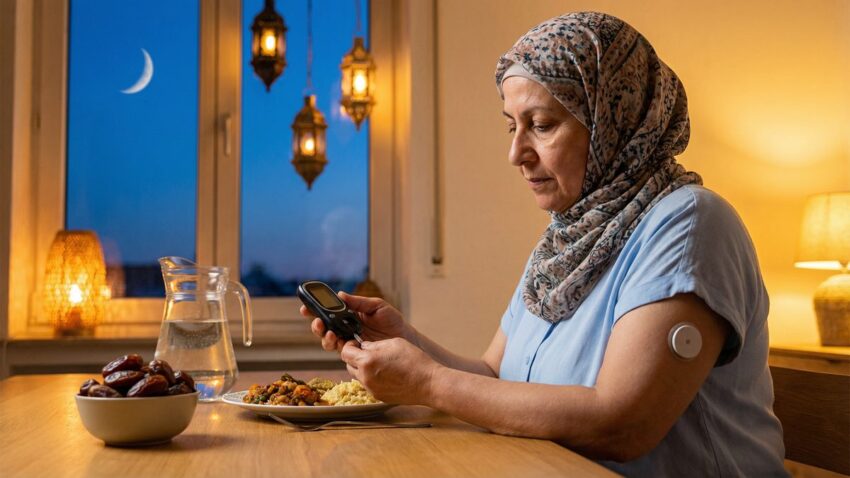
For Muslims with diabetes, the holy month of Ramadan presents a unique challenge: balancing the spiritual practice of fasting from dawn to sunset with the medical need for stable blood sugar control. With careful planning and close consultation with a healthcare team, it is possible to fast safely.
The Risks of Fasting with Diabetes
Fasting involves significant risks that must be managed:
- Hypoglycemia (Low Blood Sugar): The risk of lows is highest during the long fasting hours of the day.
- Hyperglycemia (High Blood Sugar): Overeating at the pre-dawn (Suhoor) and sunset (Iftar) meals can lead to dangerous spikes in blood sugar.
- Dehydration: Not drinking fluids during the day, especially in warmer climates, can lead to dehydration, which concentrates blood glucose and can affect kidney function.
- Diabetic Ketoacidosis (DKA): Particularly for people with type 1 diabetes, the risk of DKA can increase due to metabolic changes during fasting.
Consult Your Doctor First: It is absolutely essential to have a pre-Ramadan medical assessment at least 1-2 months before Ramadan begins. Your doctor will assess your individual risk and help you create a personalized management plan. Some individuals with very high risk (e.g., recent severe hypoglycemia, poor control, advanced complications) may be advised not to fast.
Key Strategies for Safe Fasting
- Medication Adjustments: This is the most critical part of the plan. Your doctor will likely need to change the type, dose, and timing of your insulin or oral medications. For example, doses of sulfonylureas are often reduced, and insulin regimens may be switched to better match the two-meal-a-day pattern.
- Frequent Monitoring: You must check your blood sugar much more frequently than usual, including during the fasting day. Islamic scholars have confirmed that pricking the finger for a blood test does not break the fast.
- Strategic Meals: Do not skip the pre-dawn Suhoor meal. It should contain complex, slow-release carbohydrates (like oats, barley, or whole-wheat bread) and protein to provide sustained energy. At the sunset Iftar meal, break the fast traditionally with dates and water, but then move on to a balanced meal, avoiding excessive sugary and fried foods.
- Hydration: Drink plenty of water and other sugar-free fluids between Iftar and Suhoor to stay well-hydrated.
- Know When to Break the Fast: You must be prepared to break your fast immediately if you experience hypoglycemia (blood sugar < 70 mg/dL or 3.9 mmol/L) or significant hyperglycemia. Your health comes first.
Key Takeaway
Fasting during Ramadan with diabetes is a major undertaking that requires careful planning, education, and medical supervision. By working with your healthcare team, adjusting medications, monitoring frequently, and planning your meals, you can honour your faith while protecting your health.
 English
  Urdu
Urdu