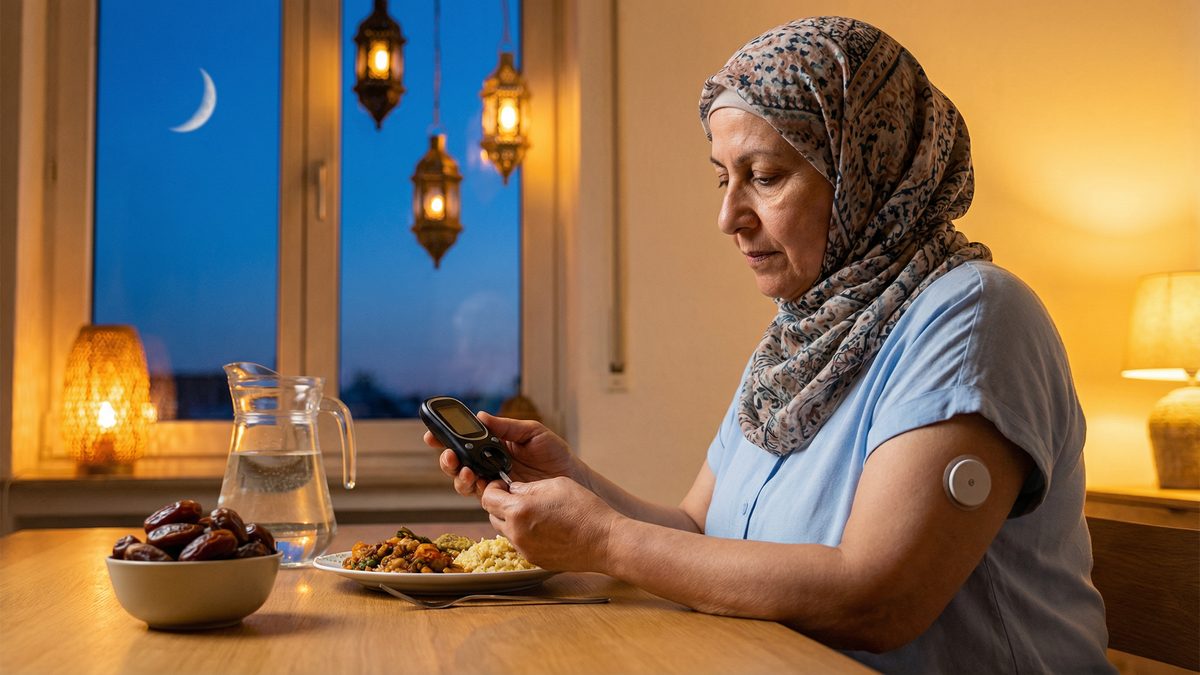
Fasting during Ramadan is a deeply personal and religious decision. For people living with diabetes, the safest approach is to plan early with a diabetes care team, especially if you use insulin, have a history of low blood sugar, have kidney disease, are pregnant, or have had diabetic ketoacidosis.
Quick summary
Some people can fast with a clear plan. Others may be advised not to fast because the risk is too high. Medical exemptions exist in Islam, and health protection is part of responsible preparation.
Key takeaways
- Book a pre-Ramadan review well before fasting begins.
- Do not stop or change insulin, diabetes tablets, or GLP-1 medicines without medical advice.
- Checking glucose does not break the fast according to many diabetes and Ramadan guidance sources.
- Break the fast and seek help if glucose is dangerously low or high, or if you feel seriously unwell.
Who needs extra caution
Risk is higher for people with type 1 diabetes, recurrent low blood sugar, impaired awareness of hypoglycemia, recent severe hyperglycemia, DKA, pregnancy, kidney disease, serious heart disease, acute illness, older frailty, or complex insulin regimens.
A diabetes clinician can help classify fasting risk, adjust monitoring, review medicines, and create a plan for suhoor, iftar, activity, and emergency steps.
Glucose monitoring during Ramadan
More frequent monitoring may be needed, especially in the first few days, after medication changes, during illness, with exercise, or if symptoms occur. CGM can help some people see trends, but finger stick checks may still be needed depending on the device and situation.
Symptoms of low blood sugar can include sweating, shaking, hunger, confusion, dizziness, or weakness. Symptoms of high blood sugar can include thirst, frequent urination, tiredness, blurred vision, nausea, or abdominal pain.
When to break the fast
Many diabetes Ramadan resources advise breaking the fast for low blood sugar, very high blood sugar, dehydration, acute illness, or symptoms that suggest danger. Your care team should give you personal thresholds before Ramadan starts.
If ketone testing is part of your plan, follow sick day rules carefully. Vomiting, abdominal pain, rapid breathing, confusion, high ketones, or suspected DKA needs urgent medical care.
Food, hydration, and activity
- At suhoor, include slow digesting carbohydrates, protein, unsaturated fats, and fluids if your care plan allows.
- At iftar, break the fast gently and avoid very large portions of sugary drinks, desserts, or fried foods.
- Spread carbohydrate across the eating window when possible.
- Keep hydration a priority outside fasting hours.
- Avoid intense activity during the hottest or longest fasting hours unless your care team says it is safe.
Practical takeaway
Prepare early. The most important Ramadan diabetes plan covers medicine timing, glucose checks, meals, hydration, activity, and clear rules for when to break the fast.
Safety note
This article cannot decide whether fasting is safe for you. People at high risk should follow clinician guidance. Break the fast and seek urgent care for severe low blood sugar, very high glucose with ketones, dehydration, vomiting, confusion, or DKA symptoms.
Related Livingdiabetes guides
Sources
- Ramadan and Diabetes, Diabetes UK. Patient guidance. Accessed May 30, 2026. Source
- Diabetes Testing, Centers for Disease Control and Prevention. Patient guidance. Accessed May 30, 2026. Source
- Managing Diabetes, National Institute of Diabetes and Digestive and Kidney Diseases. Patient guidance. Accessed May 30, 2026. Source
- Healthy Eating for Diabetes, Centers for Disease Control and Prevention. Patient guidance. Accessed May 30, 2026. Source