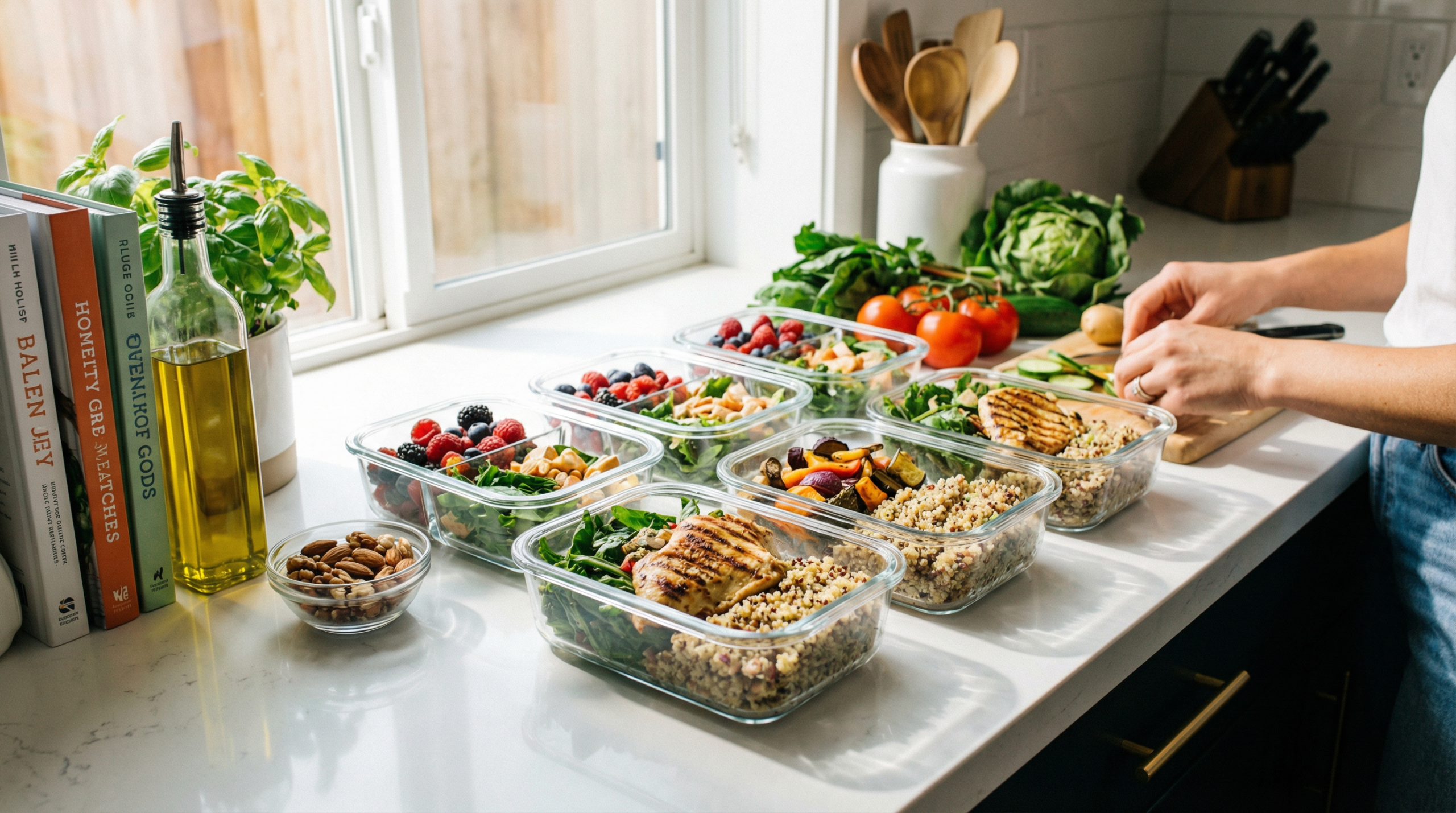
Roasted vegetables are one of the easiest ways to make a diabetes-friendly plate more colorful, filling, and repeatable. This medley focuses on nonstarchy vegetables, olive oil, garlic, and herbs, with portion tips that help it fit into a balanced meal.
Quick summary
This recipe is flexible. Use it as a side dish with lean protein, beans, fish, eggs, tofu, or a measured portion of whole grains, depending on your own meal plan.
Key takeaways
- Nonstarchy vegetables add volume, fiber, flavor, and texture with fewer carbohydrates than many starchy sides.
- Roasting brings out sweetness, so portion and total meal balance still matter.
- Nutrition estimates vary by vegetable size, oil amount, cheese, sauces, and serving size.
- People using insulin or carb counting should count the full meal, not just the vegetables.
Ingredients
- 2 cups broccoli florets
- 2 cups cauliflower florets
- 1 medium zucchini, sliced
- 1 bell pepper, sliced
- 1 small red onion, cut into wedges
- 2 tablespoons olive oil
- 2 garlic cloves, minced
- 1 teaspoon Italian seasoning or mixed dried herbs
- Black pepper to taste
- Optional: lemon juice, parsley, or a light sprinkle of parmesan
Instructions
- Heat the oven to 425 F or 220 C and line a baking sheet.
- Cut vegetables into similar sized pieces so they roast evenly.
- Toss with olive oil, garlic, herbs, and black pepper.
- Spread in a single layer and roast for 25 to 30 minutes, turning once.
- Finish with lemon juice or herbs. Serve with protein and a carbohydrate portion that fits your plan.
Nutrition note
Estimated per serving before optional cheese: about 100 to 130 calories, 10 to 14 grams total carbohydrate, 3 to 5 grams fiber, and 2 to 4 grams protein. These are estimates, not a substitute for label reading or carb counting when that is part of your care plan.
How to make it more filling
For a full meal, pair the vegetables with protein and a planned carbohydrate portion. Examples include grilled chicken with lentils, salmon with a small sweet potato, tofu with brown rice, or eggs with a slice of whole grain toast.
If you are watching sodium, use herbs, garlic, lemon, vinegar, and pepper before adding salt. If you are watching fat intake, measure the oil rather than pouring freely.
Smart swaps
- Use mushrooms, green beans, eggplant, asparagus, Brussels sprouts, or cabbage.
- Use smoked paprika, cumin, rosemary, thyme, or chili flakes for different flavors.
- Add chickpeas or beans only if you include their carbohydrates in the meal.
- Avoid sugary glazes unless they fit your meal plan.
Practical takeaway
Make a tray once and use it across several meals. The diabetes benefit is not magic, it is making nonstarchy vegetables easy to eat more often.
Safety note
If you have kidney disease, potassium restrictions, swallowing problems, food allergies, or a prescribed carbohydrate target, adjust ingredients with your care team or dietitian.
Related Livingdiabetes guides
Sources
- Healthy Eating for Diabetes, Centers for Disease Control and Prevention. Patient guidance. Accessed May 30, 2026. Source
- Food and Nutrition, American Diabetes Association. Patient guidance. Accessed May 30, 2026. Source
- Healthy Living With Diabetes, National Institute of Diabetes and Digestive and Kidney Diseases. Patient guidance. Accessed May 30, 2026. Source