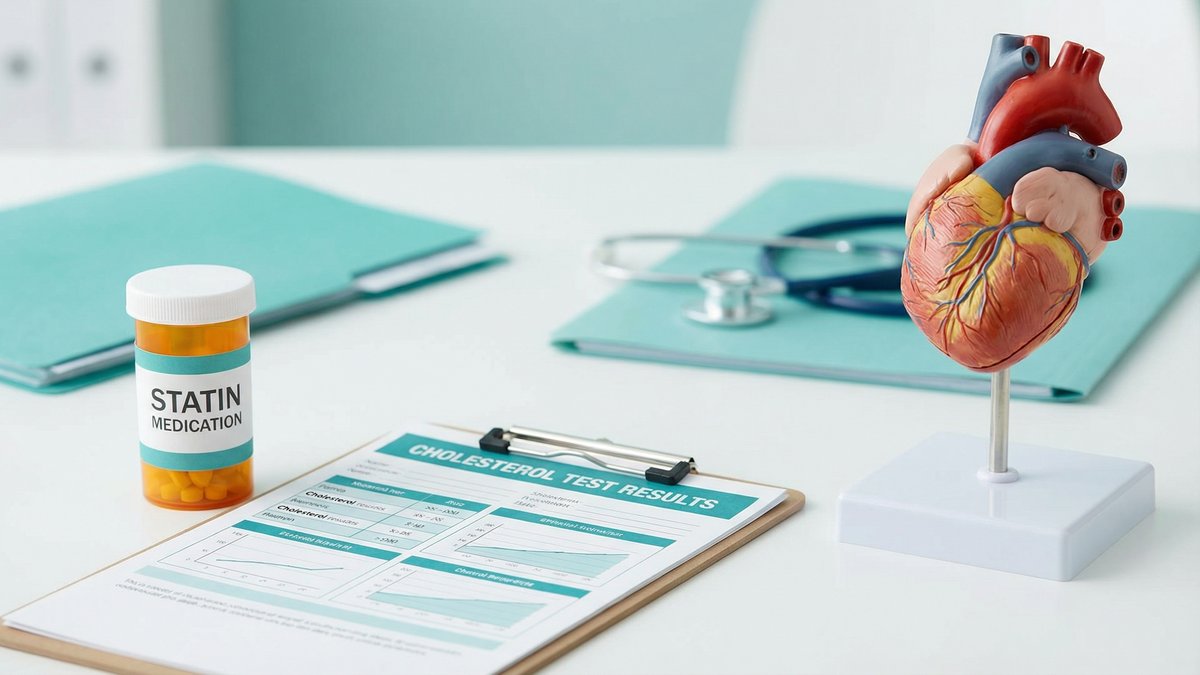
Statins are cholesterol-lowering medicines used to reduce cardiovascular risk. For many people with diabetes, that risk reduction is important because diabetes itself raises the chance of heart attack and stroke.
Quick summary
The common worry is that statins may slightly increase blood sugar or diabetes risk in some people. That concern is real, but it usually needs to be weighed against the heart-protection benefit.
Key takeaways
- Statins lower LDL cholesterol and reduce cardiovascular events in appropriate patients.
- Some statins can slightly raise glucose or diabetes risk, especially in people already at risk.
- For many people with diabetes, cardiovascular benefit outweighs the glucose concern.
- Muscle symptoms, liver issues, pregnancy planning, and medicine interactions should be discussed.
Why statins are used in diabetes
LDL cholesterol contributes to atherosclerosis. Diabetes increases vascular risk, so clinicians often use statins based on age, LDL level, existing cardiovascular disease, kidney disease, and overall risk.
A statin decision is not based only on one cholesterol number. It also considers previous heart attack or stroke, smoking, blood pressure, albumin in urine, family history, and medication tolerance.
What about blood sugar?
Safety information and patient resources note that statins may be linked with increased blood sugar in some people. This does not mean everyone should avoid statins. It means glucose should be monitored and the risk-benefit discussion should be honest.
If glucose rises after starting a statin, do not stop it on your own. Ask whether the change is medication-related, lifestyle-related, seasonal, or due to another health issue.
Questions to ask
- Am I taking this for primary prevention or because I already have cardiovascular disease?
- What LDL or non-HDL cholesterol goal are we using?
- What side effects should I report?
- Do any of my medicines interact with this statin?
- If I have muscle pain, what is the plan before stopping treatment?
Practical takeaway
For many people with diabetes, statins are a heart-risk tool, not just a cholesterol number tool. The decision should balance benefit, side effects, and personal risk.
Safety note
This article is not a substitute for medical care. Do not stop a prescribed statin without medical guidance. Seek urgent care for chest pain, stroke symptoms, severe muscle pain with weakness or dark urine, or allergic reaction.
What to ask your care team
- What does this mean for my diabetes, heart, kidney, medicine, or monitoring plan?
- Which symptoms, readings, or side effects should prompt urgent care?
- Do any tests, prescriptions, follow-up visits, or safety instructions need review?
Related reading
Source summary
- Standards of Care in Diabetes 2026, American Diabetes Association. Guideline overview. Accessed June 3, 2026. Source
- Statin Use for Primary Prevention of Cardiovascular Disease, U.S. Preventive Services Task Force. Recommendation statement. Accessed June 3, 2026. Source
- Statins, MedlinePlus, National Library of Medicine. Patient guidance. Accessed June 3, 2026. Source
- About Cholesterol, Centers for Disease Control and Prevention. Public health guidance. Accessed June 3, 2026. Source