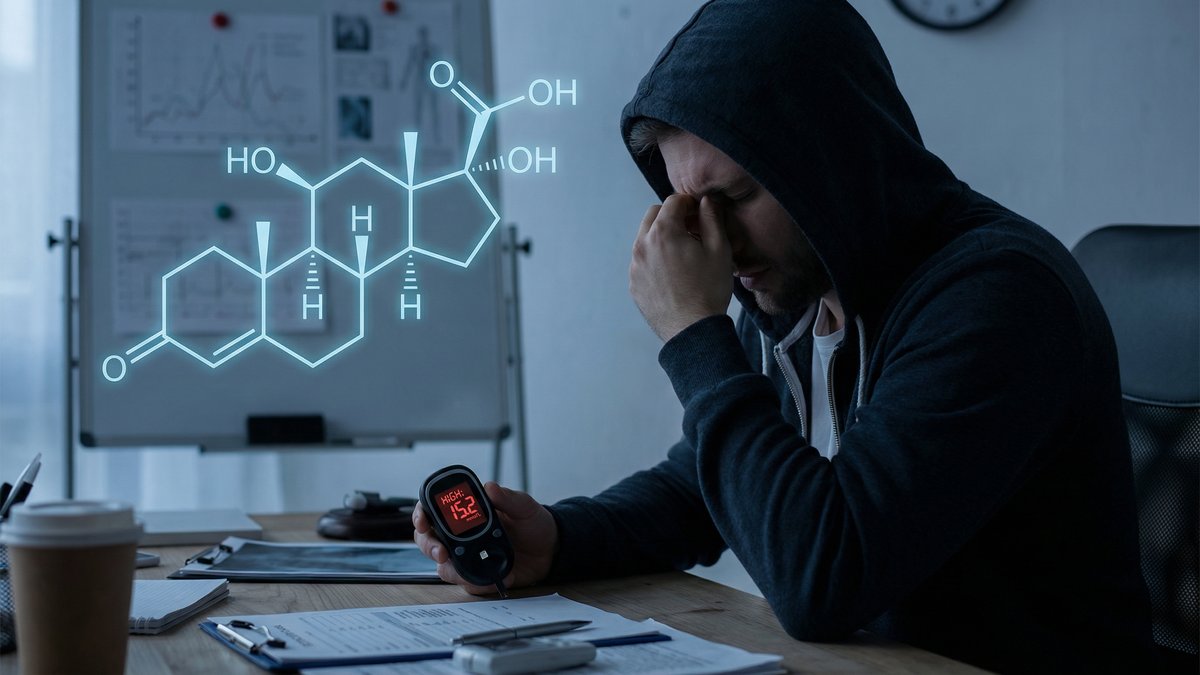
Stress does not just affect mood. For many people with diabetes, stress can also make blood sugar harder to predict. Cortisol and other stress hormones can raise glucose, while stress can also change sleep, appetite, activity, alcohol use, and medication routines.
Quick summary
The goal is not to remove every stressor. The goal is to recognize patterns, protect basic diabetes routines, and know when stress-related glucose changes need clinical support.
Key takeaways
- Stress hormones can raise glucose in some people.
- Stress can also lead to missed meals, poor sleep, less activity, or forgotten medicines.
- Use glucose data and symptoms rather than guessing from stress alone.
- Seek help if stress, anxiety, depression, or burnout is making diabetes care difficult.
How stress can affect glucose
When the body senses pressure or danger, it releases hormones that help provide energy. Cortisol and adrenaline can make more glucose available. That response can be useful in short bursts, but repeated stress may make glucose patterns less stable.
Stress also affects behavior. A difficult week can mean less sleep, more snacking, less movement, more alcohol, or missed checks. Those practical changes often matter as much as hormones.
What to track
- Glucose before and after stressful periods.
- Sleep quality and bedtime changes.
- Meals, caffeine, alcohol, and activity.
- Illness, pain, work pressure, family stress, and diabetes burnout.
- Whether readings return to usual when routines recover.
What helps without overcomplicating care
Short walks, breathing exercises, regular meals, hydration, medication reminders, and sleep routines can all help stabilize the day. These are not cures, but they can reduce the number of variables affecting glucose.
If stress is persistent, ask for support. Diabetes distress is real and treatable. A clinician, diabetes educator, counselor, or peer group can help reduce the burden.
Practical takeaway
When glucose looks different during stress, first check the basics: food, sleep, medicine timing, activity, illness, and monitoring. Patterns over several days are more useful than one reading.
Safety note
This article is not a substitute for medical care. Do not change insulin or diabetes medicines based only on stress. Seek urgent care for severe low blood sugar, ketones, vomiting, chest pain, confusion, or symptoms that feel unsafe.
What to ask your care team
- What does this mean for my diabetes, heart, kidney, medicine, or monitoring plan?
- Which symptoms, readings, or side effects should prompt urgent care?
- Do any tests, prescriptions, follow-up visits, or safety instructions need review?
Source summary
- Diabetes and Mental Health, Centers for Disease Control and Prevention. Patient guidance. Accessed June 3, 2026. Source
- Diabetes Testing, Centers for Disease Control and Prevention. Patient guidance. Accessed June 3, 2026. Source
- Managing Diabetes, National Institute of Diabetes and Digestive and Kidney Diseases. Patient guidance. Accessed June 3, 2026. Source