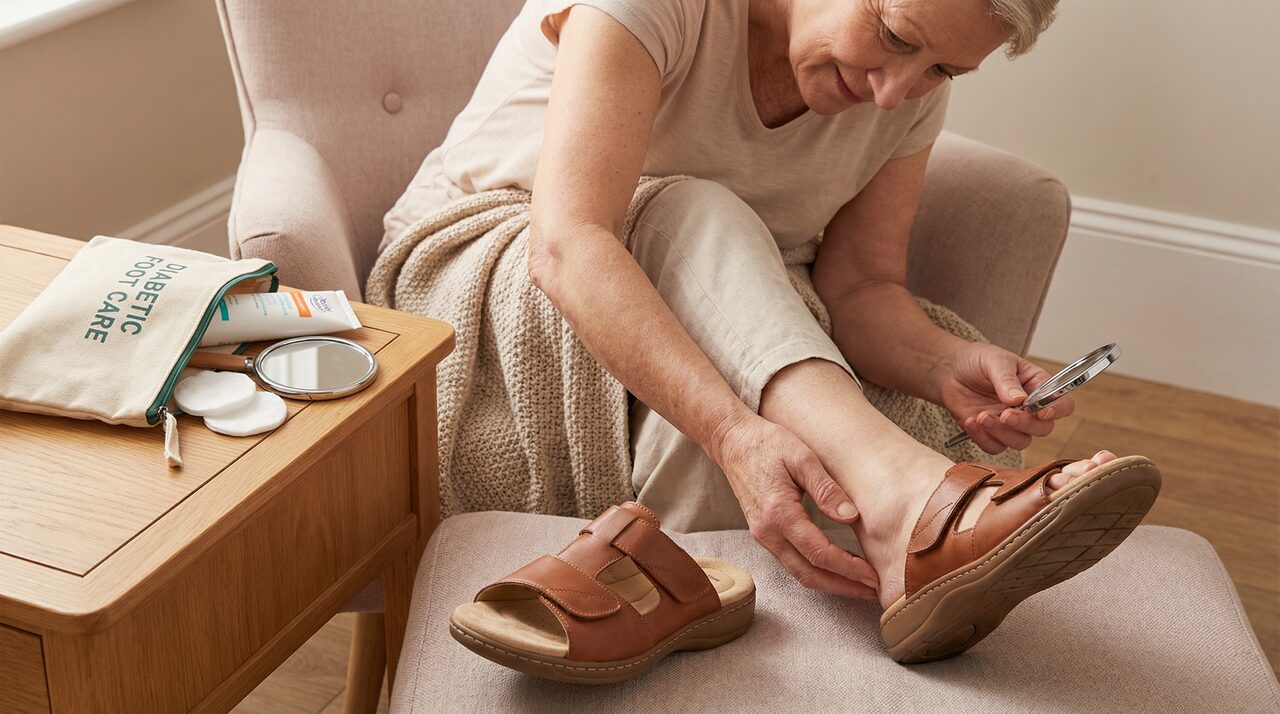
Summer brings sunshine, outdoor activities, and often, travel. For individuals living with diabetes, these warmer months and new environments require a thoughtful approach to skin health and overall management. Heat, dehydration, medication storage problems, and changes in routine can affect diabetes management. Protecting your skin from sun damage is crucial, as diabetes-related nerve or circulation problems can make foot injuries, slow-healing wounds, and infections more concerning.
Key takeaways
- Protect your skin with sunscreen, shade, clothing, and footwear, especially if you have neuropathy or circulation problems.
- Keep diabetes medicines and devices within their recommended temperature range while traveling or in hot weather.
- Pack extra diabetes supplies and make a backup plan for delays, illness, lost supplies, and local medical care.
Why this matters when you live with diabetes
Some diabetes complications can make heat harder to tolerate. Complications such as autonomic neuropathy (nerve damage affecting the nerves that control sweating) and problems with blood vessels can impair your body’s natural cooling mechanisms, like sweating. This means you might not sense overheating as readily or cool down as efficiently as someone without diabetes. Dehydration, a common risk in hot weather, can also lead to elevated blood sugar levels. High temperatures can even alter how your insulin works, potentially affecting its stability and absorption. Furthermore, sun exposure can lead to sunburn, which is a form of skin damage that can cause stress on the body and impact blood glucose control. Protecting your skin, feet, medicines, and hydration plan can lower the chance of summer problems.
What to do before you start
Preparation is key for a safe and enjoyable summer or travel experience. Before you head out, consider these essential steps:
- Consult Your Healthcare Team: Discuss your summer and travel plans with your doctor or diabetes educator. They can offer personalized advice, adjust medication schedules if you’re crossing time zones, and provide necessary travel documentation for your supplies.
- Pack Smart: Always pack your diabetes medicines and supplies in your carry-on luggage when flying. This prevents loss if checked bags are delayed and protects medications from extreme temperatures in cargo holds. Pack extra supplies, at least double what you think you’ll need, to account for unexpected delays or losses.
- Medication Protection: Insulin and other diabetes medications are sensitive to extreme heat and cold. Use insulated bags with cool packs (avoiding direct contact with ice) to maintain proper temperatures. Do not leave medications in a hot car or in direct sunlight.
- Emergency Plan: Have a clear plan for managing highs and lows, and know how to access medical care at your destination. Carry emergency contact information and a list of your medications.
Practical steps you can use this week
Integrating these practices into your routine can help you navigate summer and travel with confidence:
Sunscreen Application and Skin Care
Most dermatology and public health organizations recommend broad-spectrum sunscreen plus shade and protective clothing as part of a sun-safety plan. Sunscreen guidance is general skin-health advice, not diabetes-specific treatment.
- Choose Wisely: Select a broad-spectrum sunscreen with an SPF of 30 or higher that protects against both UVA and UVB rays. Look for water-resistant formulas if you plan to swim or sweat.
- Apply Generously: Apply sunscreen at least 15-30 minutes before sun exposure to all exposed skin. Don’t forget often-missed areas like your ears, neck, tops of your feet, and scalp (if hair is thinning).
- Reapply Often: Reapply sunscreen every two hours, or more frequently after swimming or excessive sweating.
- Protect Your Feet: Diabetes can lead to nerve damage and poor circulation in the feet, making them prone to injury and slow-healing wounds. Always wear protective footwear, even on the beach or by the pool, and avoid going barefoot. Check your feet daily for any cuts, blisters, or redness.
- Stay Hydrated: Drink plenty of water throughout the day, even if you don’t feel thirsty. Avoid sugary drinks and excessive alcohol, which can lead to dehydration and affect blood sugar.
- Seek Shade: Limit your time in direct sunlight, especially during peak hours (usually 10 AM to 4 PM). Use umbrellas, wear wide-brimmed hats, and light, loose-fitting clothing.
Managing Diabetes During Travel
- Frequent Glucose Monitoring: Travel can disrupt routines, meals, and activity levels, all of which impact blood sugar. Check your blood glucose more often than usual, especially before and after activities, and adjust insulin or medication as advised by your healthcare provider.
- Snacks on Hand: Always carry diabetes-friendly snacks to prevent hypoglycemia, especially during unexpected delays or changes in meal times.
- Movement During Long Trips: If you’re on a long flight or car ride, consider getting up and moving when safe to support circulation during long trips.
- Airport security: When traveling by air, inform airport security officers that you have diabetes and are carrying medical supplies. Medically necessary liquids and devices have special screening allowances for U.S. travel, but rules can vary by item and airport. These allowances come from U.S. TSA rules; if traveling outside the U.S., check the security and medical item policies for the countries and airports on your route. Insulin should be clearly identified, and medically necessary liquids (like juice for treating lows) may exceed the 3.4-ounce limit but must be declared.
When to call your healthcare professional
While careful planning helps, it’s important to know when to seek medical advice. Contact your healthcare professional if you experience:
- Persistent High or Low Blood Sugars: Despite your best efforts, if your blood sugar levels are consistently out of your target range.
- Signs of dehydration, heat exhaustion, or heat stroke: Symptoms like extreme thirst, dizziness, headache, nausea, rapid heartbeat, or confusion.
- Skin Issues: Any new or worsening skin infections, blisters, severe sunburn, or slow-healing wounds, especially on your feet.
- Medication Concerns: If you suspect your insulin or other medications have been compromised by heat or cold, or if you’re unsure about dosage adjustments.
Questions to ask at your next visit
Prepare for your next appointment by noting down any questions or concerns that arise during your summer activities or travels. Consider asking:
- “Are there any specific adjustments I should make to my medication or insulin regimen during hot weather or when traveling?”
- “What are the best ways to protect my diabetes supplies from extreme temperatures?”
- “Can you provide me with a letter for TSA or international travel regarding my medical supplies?”
- “What are the warning signs of heat-related illness I should be most aware of, given my diabetes?”
- “How often should I be checking my blood sugar when my routine changes due to summer activities or travel?”
Medical note: This article is for education only and does not replace care from your healthcare professional. If you use insulin or medicines that can cause low blood glucose, are pregnant, have kidney disease, heart disease, vision problems, neuropathy, or other diabetes-related complications, discuss changes to food, activity, medicines, devices, or travel plans with your diabetes care team.