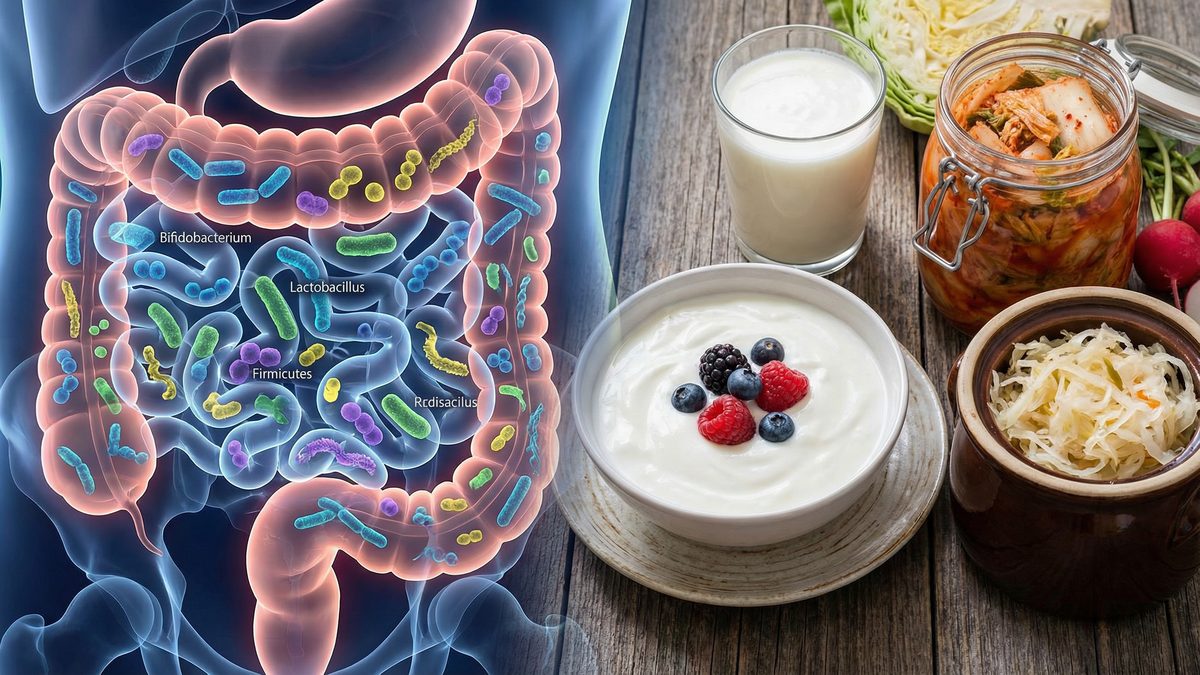
The gut microbiome is often described as the next big answer for type 2 diabetes. The science is interesting, but the patient message should stay modest: eat patterns matter, fiber matters, and microbiome tests or supplements should not replace proven care.
Quick summary
CDC explains that fiber can support blood sugar, cholesterol, fullness, and digestive health. NIDDK funds nutrition and microbiome research, and reviews suggest diet may influence gut microbes in type 2 diabetes. That does not mean a microbiome test or probiotic can diagnose or treat diabetes.
Key takeaways
- Fiber-rich foods can support diabetes care, but they are not a stand-alone treatment.
- Microbiome research is active, but many findings are not ready for personal treatment decisions.
- Probiotic, prebiotic, and gut-testing claims should be viewed cautiously.
- Food changes should respect kidney disease, medicines, allergies, digestive symptoms, and food access.
What the microbiome is
The gut microbiome refers to communities of microbes living in the digestive tract. These microbes interact with food, fiber, bile acids, immune signals, and metabolism. Researchers are studying how those interactions relate to obesity, insulin resistance, type 2 diabetes, and inflammation.
What is clearer for patients
The clearest patient-facing advice is not a microbiome product. It is a fiber-rich, balanced eating pattern when tolerated: vegetables, legumes, whole grains, nuts, seeds, and fruit in portions that fit the diabetes plan. CDC explains that fiber does not raise blood sugar the way sugars and starches do and can support heart and digestive health.
What is still uncertain
Research reviews describe links between diet, gut microbes, and glucose metabolism, but response differs across people and studies. A stool test does not yet tell most patients exactly what to eat or which medicine to take. Claims that one probiotic reverses type 2 diabetes should be treated as unsupported unless proven in high-quality clinical trials.
How to make changes safely
Add fiber gradually to reduce gas or bloating, drink fluids if your plan allows, and ask about kidney limits for potassium, phosphorus, protein, and fluids. People using insulin or medicines that can cause lows should not make major carb changes without guidance.
What to ask your care team
- How can I increase fiber safely with my glucose, gut symptoms, and kidney health?
- Are probiotic or microbiome-test claims supported by evidence for my situation?
- Do medicines, antibiotics, digestive disease, or food access affect my plan?
- Should I work with a registered dietitian or diabetes educator?
Practical takeaway
The gut microbiome is promising science, but today’s practical advice is still grounded in balanced, fiber-rich food patterns and proven diabetes care.
Safety note
Seek urgent care for severe low glucose, confusion, repeated vomiting or diarrhea, dehydration, blood in stool, ketones, or high glucose with vomiting, ketones, dehydration, confusion, or trouble breathing. This information is general education and is not a substitute for medical care.
Source summary
- CDC: Fiber and diabetes. Explains fiber, blood sugar, cholesterol, fullness, digestive health, and food sources. Source
- NIDDK: Nutrition research. Describes NIDDK-supported research on nutrition, gut microbiome, metabolism, and chronic diseases. Source
- NIH-indexed review: Diet, gut microbiota, and type 2 diabetes. Systematic review on diet interventions, gut microbiota, and type 2 diabetes, with limitations. Source
- CDC: Diabetes meal planning. Practical patient guidance on balanced meals and carb planning. Source
- CDC: Choosing healthy carbs. Explains carb quality, whole foods, refined carbs, and pairing carbs with protein, fat, or fiber. Source