
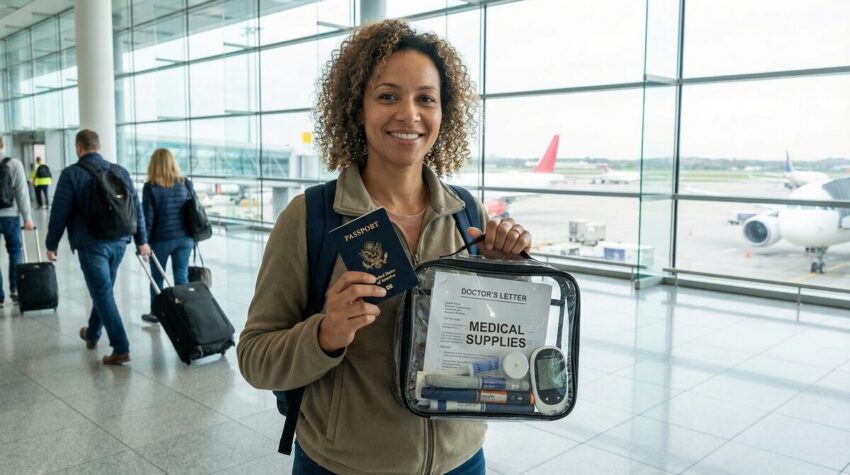
For those of us living with diabetes, the thought of international travel often sparks a mix of excitement and apprehension. While the allure of discovering new cultures and breathtaking landscapes is undeniable, the realities of managing a chronic condition across borders demand careful thought and proactive planning. This in-depth guide is designed to empower diabetic travelers with the essential knowledge and practical tools needed to ensure a journey that’s not only safe and healthy but also truly enjoyable. With the right preparation, we firmly believe the world remains an open and accessible destination for everyone.
Before You Go: Laying the Groundwork for a Smooth Trip
Thorough pre-travel planning is the cornerstone of a successful journey for individuals with diabetes. It’s how we minimize potential risks, ensure continuity of care, and ultimately pave the way for a more relaxed and rewarding travel experience.
Doctor’s Orders and Essential Paperwork
Before you even think about booking flights, a comprehensive consultation with your healthcare provider is absolutely non-negotiable. This isn’t just a quick check-up; it’s an opportunity to review your current diabetes management plan, discuss any necessary adjustments to medication dosages based on your destination, and confirm you’re up-to-date on all recommended vaccinations. Your doctor can also offer invaluable advice on how to manage your blood glucose levels effectively during long flights and across different time zones [1].
One of the most critical items you’ll need to secure is a detailed medical letter from your physician. Ideally, this letter should be translated into the language of your destination country. It needs to clearly state your diabetes diagnosis, list all your prescribed medications (including insulin, oral agents, etc.), and specify every medical supply you’ll be carrying (syringes, pens, pump, continuous glucose monitors). Crucially, it should explicitly emphasize that these items are medically necessary for your health and request permission for you to carry them in your hand luggage. We strongly advise carrying multiple copies of this letter, both physical and digital [2]. Furthermore, always ensure you have extra prescriptions for all your diabetes medications and supplies; these can be lifesavers if something gets lost or travel plans go awry [3]. And don’t forget the power of a medical alert identification, like a bracelet or necklace. In an emergency, it can speak volumes to first responders about your condition [4].
Mastering Medication and Supply Management
Perhaps the most vital aspect of your travel preparation is ensuring you have an ample supply of all your medications and diabetes management tools. A good rule of thumb is to pack at least double the amount of medication and supplies you anticipate needing for the entire duration of your trip. This generous buffer is crucial for those unforeseen circumstances like travel delays, misplaced luggage, or even just needing more supplies than expected [2].
It’s absolutely non-negotiable: all essential diabetes supplies – this means insulin, oral medications, blood glucose meters, test strips, lancets, and any insulin delivery devices (pens, pumps, syringes) – must be packed in your carry-on luggage. This isn’t just a suggestion; it’s a critical safety measure. Checked baggage can be exposed to extreme temperatures that can damage insulin, and, let’s face it, there’s always the risk of luggage being lost or delayed [2, 3]. Insulin demands careful storage; it needs to be kept cool, but never frozen. Specialized insulin travel cases or Frio bags are excellent solutions for maintaining the correct temperature, especially when you’re heading to warmer climates [5]. If you use Continuous Glucose Monitors (CGMs) or insulin pumps, make sure you pack extra sensors, infusion sets, and batteries. It’s also wise to familiarize yourself with how these devices might interact with airport security screening procedures [6].
Travel Insurance and Your Emergency Toolkit
Comprehensive travel insurance isn’t just a good idea for international travelers; it’s an absolutely vital investment for anyone living with diabetes. Make sure your policy explicitly covers pre-existing medical conditions, medical emergencies abroad, and, ideally, medical evacuation. Don’t just skim the fine print – review the policy details carefully to fully understand its limitations and what exactly is covered [7].
Beyond insurance, prepare a comprehensive list of emergency contacts. This should include your doctor’s phone number and email, family members, and your travel insurance provider. Take the time to research the contact information for local medical facilities, hospitals, and pharmacies at your destination. Knowing exactly where to seek medical help can significantly reduce stress and anxiety if an emergency arises [8]
On the Go: Navigating Your Journey with Confidence
Effectively managing diabetes while in transit and once you’ve arrived at your destination demands ongoing vigilance and a good dose of adaptability.
Airport Security and Flight Strategies
Navigating airport security with diabetes supplies can feel daunting, but thankfully, regulations are generally quite accommodating. Always inform security personnel about your diabetes and the medical supplies you’re carrying. Present your doctor’s letter – it will certainly help streamline the process. For instance, the Transportation Security Administration (TSA) in the US explicitly permits diabetes-related supplies, equipment, and medications through security checkpoints [9].
For those using insulin pumps or CGMs, there are specific considerations. While most devices are perfectly safe to pass through metal detectors, it’s generally recommended to avoid sending insulin pumps or CGMs through X-ray machines or full-body scanners, as these could potentially damage your devices. Instead, politely request a pat-down inspection [6].
Time zone changes present a significant challenge for insulin users. Adjusting insulin dosages requires meticulous planning and, more often than not, a consultation with your doctor before you travel. Strategies might involve gradually adjusting your insulin schedule a few days prior to departure or making adjustments based on the length and direction of your flight [10]. During flights, a crucial tip is to inject rapid-acting insulin only when your meal is actually served and placed directly in front of you. This proactive approach helps prevent the risk of hypoglycemia if there are unexpected delays in meal service [11]. Another smart move is to pre-order diabetic meals on flights or simply carry your own selection of healthy snacks to help maintain stable blood glucose levels [1].
Mindful Eating and Drinking Abroad
Exploring local cuisine is undoubtedly one of the great joys of international travel, but it requires a heightened awareness for individuals with diabetes. Take some time to research common dishes and their typical carbohydrate content. Practice portion control and make a conscious effort to prioritize lean proteins and non-starchy vegetables. When dining out, don’t hesitate to ask about ingredients and preparation methods – your health is worth it [12].
Staying hydrated is absolutely vital, especially when you’re in a new climate or engaging in more physical activity. Always carry a water bottle and drink plenty of fluids to prevent dehydration, which can directly impact your blood glucose levels. If you choose to consume alcohol, do so in moderation and be acutely aware of its potential to cause hypoglycemia, particularly when combined with certain diabetes medications [13].
Activity and Exercise Considerations
International travel often means an increase in physical activity, whether you’re embarking on walking tours or simply exploring vibrant new cities. This increased activity can certainly impact your blood glucose levels, potentially necessitating adjustments to your insulin or medication dosages. Monitor your blood glucose frequently and always carry fast-acting carbohydrates to treat any potential hypoglycemia [14]. Foot care is also paramount; wear comfortable, supportive footwear and make it a daily habit to inspect your feet for any blisters, cuts, or sores, as these can quickly become problematic for individuals with diabetes [15].
Anticipating and Overcoming Challenges
Even with the most meticulous planning, unforeseen challenges can arise. Being prepared for these can make a significant difference in how smoothly you navigate your journey.
Illness and Emergency Protocols
Familiarize yourself with the ‘sick day rules’ for diabetes management. These guidelines outline how to adjust medication and monitor blood glucose levels during periods of illness. Always carry glucose tablets or other fast-acting carbohydrates to treat hypoglycemia, and ensure you have a glucagon kit if your doctor has prescribed one [16]. Crucially, know how to access local emergency services and keep relevant contact numbers readily available.
Environmental Factors
Changes in climate can significantly affect diabetes management. Extreme heat can cause insulin to degrade and increase your risk of dehydration, while cold weather can impact the accuracy of your blood glucose meter. Always protect your insulin and supplies from extreme temperatures [5]. High altitudes can also influence blood sugar levels, requiring more frequent monitoring and potential medication adjustments [17].
⚠️ Important Warning: Insulin Storage
It’s crucial to remember: never store insulin in direct sunlight or expose it to extreme heat, as this will cause it to lose its potency. Similarly, do not allow insulin to freeze. Always use an insulated case or Frio bag to maintain the correct temperature range, especially when you’re traveling.
ℹ️ Essential Tip: Your Medical Letter
Always carry a medical letter from your doctor. If possible, have it translated into the local language of your destination. This document, detailing your diabetes, medications, and supplies, is absolutely crucial for navigating airport security, customs, and, most importantly, in the event of any medical emergencies abroad.
The Ultimate Takeaway
✅ Your Key to Confident Travel
International travel with diabetes is not only possible but entirely achievable with diligent preparation. Your priorities should include thorough medical consultations, meticulous management of your medications and supplies, securing comprehensive travel insurance, and consistently monitoring your blood glucose. By proactively anticipating potential challenges and knowing precisely how to respond, individuals with diabetes can confidently explore the world while maintaining optimal health and well-being.
References
- Centers for Disease Control and Prevention. (n.d.). Tips for Traveling With Diabetes. Retrieved from https://www.cdc.gov/diabetes/about/tips-for-traveling-with-diabetes.html
- Hopkins Medicine. (n.d.). Traveling With Diabetes. Retrieved from https://www.hopkinsmedicine.org/health/conditions-and-diseases/diabetes/traveling-with-diabetes
- UCLA Health. (n.d.). Guidelines for Travel – Diabetes. Retrieved from https://www.uclahealth.org/medical-services/endocrinology/diabetes/type-1-diabetes/guidelines-travel
- Kaiser Permanente. (n.d.). Diabetes: Travel Tips. Retrieved from https://healthy.kaiserpermanente.org/health-wellness/health-encyclopedia/he.diabetes-travel-tips.hw133328
- Aurora Health Care. (n.d.). Travel Tips for People with Diabetes. Retrieved from https://ahc.aurorahealthcare.org/fywb/baycare/x21133bc.pdf
- Breakthrough T1D. (n.d.). Traveling With Type 1 Diabetes. Retrieved from https://www.breakthrought1d.org/t1d-resources/travel/
- Mayo Clinic Press. (n.d.). How do I prepare and pack when traveling with type 2 diabetes?. Retrieved from https://mcpress.mayoclinic.org/type-2-diabetes/how-do-i-prepare-and-pack-when-traveling-with-type-2-diabetes/
- UT Southwestern Medical Center. (n.d.). Traveling with diabetes: Tips for packing, snacking, monitoring, and more. Retrieved from https://utswmed.org/medblog/diabetes-travel-safety/
- American Diabetes Association. (n.d.). What Can I Bring With Me on the Plane. Retrieved from https://diabetes.org/tools-support/know-your-rights/what-can-i-bring-with-me-on-plane
- Izadi, M., Hosseini, M. S., & Seyedzadeh, M. (2015). Travel guidance for people with diabetes; a narrative review. Journal of Travel Medicine and Global Health, 3(2), 53-57.
- International Diabetes Federation. (n.d.). TRAVELLING AND DIABETES. Retrieved from https://idf.org/europe/media/uploads/sites/2/2023/06/AwarenessPaper-DiabetesAndTravelling-21Dec2020_compressed.pdf
- Tripprep. (n.d.). Diabetic Travelers – Traveler Summary. Retrieved from https://tripprep.com/library/diabetic-travelers
- Novo Nordisk. (n.d.). Traveling Safely With Type 2 Diabetes. Retrieved from https://www.novomedlink.com/content/dam/novonordisk/novomedlink/new/diabetes/patient/disease/library/documents/traveling-with-diabetes-US24DI00202.pdf
- Burnett, J. C. D. (2006). Long-and short-haul travel by air: issues for people with diabetes on insulin. Journal of Travel Medicine, 13(5), 255-260.
- Phillips, A., & Carling, J. (2016). Providing advice to travellers with diabetes. Practice Nursing, 27(8), 390-393.
- Pavela, J., Suresh, R., Blue, R. S., Mathers, C. H., & Pavela, M. (2018). Management of diabetes during air travel: a systematic literature review of current recommendations and their supporting evidence. Endocrine Practice, 24(1), 88-97.
- Parker, S. (2018). Living with diabetes; will take to the skies. South African Journal of Diabetes, 35(1), 1-4.
 English
  Urdu
Urdu