
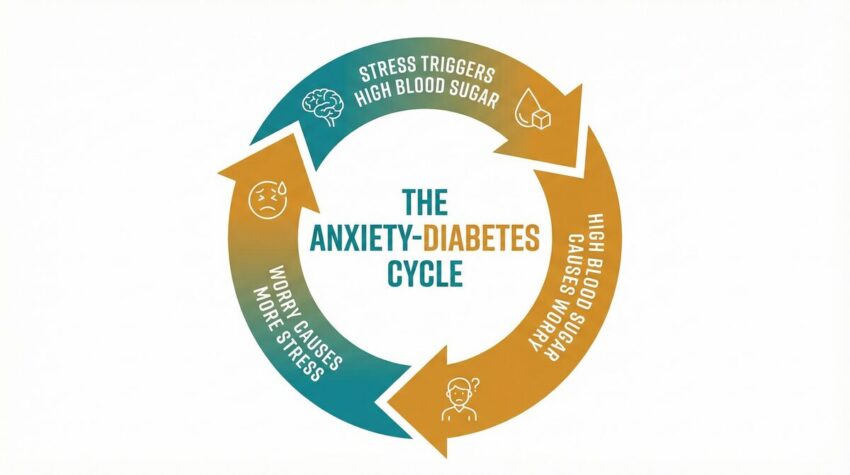
Living with diabetes can be challenging, and it’s not uncommon for individuals to experience feelings of worry, stress, and anxiety. This article explores the intricate relationship between anxiety and diabetes, shedding light on how these two conditions can influence each other and, more importantly, offering practical strategies to help you break the cycle and improve your overall well-being.
Understanding the Connection: A Two-Way Street
Anxiety is a natural human emotion, but when it becomes persistent and overwhelming, it can significantly impact daily life. For people with diabetes, anxiety can be particularly prevalent, with studies suggesting that individuals with diabetes are 20% more likely to experience anxiety than those without the condition [2]. This connection is often a two-way street, where diabetes can trigger anxiety, and anxiety can, in turn, affect diabetes management.
How Diabetes Can Fuel Anxiety
The daily demands of diabetes management can be a significant source of anxiety. Constantly monitoring blood glucose levels, adhering to medication schedules, planning meals, and the fear of complications can create a persistent sense of worry. Specific aspects that contribute to anxiety include:
- Hypoglycaemia (Low Blood Sugar): The sudden and often unpredictable nature of hypoglycaemic episodes can be frightening. Symptoms like shakiness, sweating, confusion, and a rapid heartbeat can mimic anxiety attacks, leading to a fear of future episodes [3].
- Hyperglycaemia (High Blood Sugar): Persistent high blood sugar levels can also cause physical symptoms that contribute to anxiety, such as fatigue, irritability, and difficulty concentrating.
- Fear of Complications: The long-term complications associated with diabetes, such as nerve damage, kidney disease, and vision problems, can be a constant source of worry and stress.
- Social Stigma and Misunderstanding: Dealing with diabetes in social settings can sometimes lead to feelings of embarrassment or isolation, contributing to anxiety.
How Anxiety Impacts Diabetes Management
Anxiety doesn’t just arise from diabetes; it can also actively interfere with effective diabetes management, creating a vicious cycle. When anxious, individuals may:
- Neglect Self-Care: High anxiety levels can lead to a reduced motivation to perform essential self-care tasks, such as regular blood glucose monitoring, healthy eating, and physical activity.
- Blood Glucose Fluctuations: Stress hormones released during anxiety can directly affect blood glucose levels, often leading to higher readings [5]. This can make it harder to achieve target glucose levels.
- Poor Adherence to Treatment: Anxiety can make it difficult to follow prescribed medication regimens or attend regular medical appointments.
- Unhealthy Coping Mechanisms: Some individuals may turn to unhealthy coping mechanisms, such as emotional eating or avoiding social situations, which can further negatively impact diabetes control.
⚠️ Warning: The Vicious Cycle
Ignoring anxiety can exacerbate diabetes management challenges, leading to a detrimental cycle where both conditions worsen. Early recognition and intervention are crucial.
Recognising the Signs of Anxiety
It’s important to be aware of the signs of anxiety, both for yourself and for those around you. Common symptoms include:
- Persistent Worry: Excessive and uncontrollable worry about various aspects of life, including diabetes.
- Restlessness and Irritability: Feeling on edge, easily annoyed, or having difficulty relaxing.
- Fatigue: Feeling tired even after adequate rest.
- Difficulty Concentrating: Trouble focusing on tasks or making decisions.
- Sleep Disturbances: Difficulty falling asleep, staying asleep, or experiencing restless sleep.
- Physical Symptoms: Headaches, muscle tension, stomach upsets, rapid heartbeat, and shortness of breath.
Breaking the Cycle: Strategies for Managing Anxiety and Diabetes
Managing anxiety alongside diabetes requires a holistic approach that addresses both physical and emotional well-being. Here are some practical strategies:
1. Education and Empowerment
Understanding your diabetes and how anxiety affects it is the first step. The more informed you are, the more empowered you will feel to take control. Work closely with your healthcare team to gain a thorough understanding of your condition.
2. Mind-Body Techniques
Incorporating mind-body practices into your daily routine can significantly reduce anxiety levels:
- Mindfulness and Meditation: Practising mindfulness can help you stay present and reduce overwhelming thoughts. Simple meditation exercises can calm the nervous system.
- Deep Breathing Exercises: Techniques like diaphragmatic breathing can quickly alleviate acute anxiety symptoms. Inhale slowly for a count of four, hold for seven, and exhale for eight [4].
- Yoga and Tai Chi: These practices combine physical movement with mindfulness, promoting relaxation and reducing stress.
3. Regular Physical Activity
Exercise is a powerful stress reliever and can improve mood. Aim for at least 30 minutes of moderate-intensity exercise most days of the week. Consult your doctor before starting any new exercise regimen.
4. Healthy Eating Habits
A balanced diet not only helps manage blood glucose levels but can also positively impact mood. Limit caffeine and sugary foods, which can sometimes worsen anxiety symptoms.
5. Quality Sleep
Prioritise 7-9 hours of quality sleep each night. Poor sleep can exacerbate anxiety and make diabetes management more challenging.
6. Build a Strong Support System
Don’t go through it alone. Share your feelings and challenges with trusted friends, family members, or a diabetes support group. Connecting with others who understand your experiences can be incredibly beneficial.
7. Seek Professional Help
If anxiety symptoms are persistent, severe, or interfering with your daily life and diabetes management, it’s crucial to seek professional help. A mental health professional, such as a psychologist or counsellor, can provide effective strategies and therapies, including Cognitive Behavioural Therapy (CBT), to manage anxiety.
✅ Tip: Open Communication with Your Healthcare Team
Regularly discuss your mental health with your diabetes care team. They can offer guidance, adjust your treatment plan if necessary, and refer you to appropriate mental health specialists.
Conclusion
Anxiety and diabetes are closely intertwined, but understanding this relationship is the first step towards regaining control. By adopting proactive strategies, building a strong support network, and not hesitating to seek professional help, you can effectively manage anxiety, improve your diabetes control, and enhance your overall quality of life. Breaking the cycle is possible, leading to a calmer, healthier you.
✅ Key Takeaway
Managing anxiety is an integral part of effective diabetes care. By combining self-care techniques, lifestyle adjustments, and professional support, individuals can break the cycle of anxiety and diabetes, leading to improved health outcomes and a better quality of life.
References
[1] CDC. (2024). Diabetes and Mental Health. Available at: https://www.cdc.gov/diabetes/living-with/mental-health.html
[2] Medical News Today. (2019). Can diabetes cause anxiety? Blood sugar and other causes. Available at: https://www.medicalnewstoday.com/articles/327321
[3] Diabetes.org.uk. Stress and diabetes. Available at: https://www.diabetes.org.uk/living-with-diabetes/emotional-wellbeing/stress
[4] VCU Health. (2025). Do you have anxiety or low blood sugar? It could be both!. Available at: https://www.vcuhealth.org/news/do-you-have-anxiety-or-low-blood-sugar-it-could-be-both/
[5] Mayo Clinic. Diabetes and depression: Coping with the two conditions. Available at: https://www.mayoclinic.org/diseases-conditions/diabetes/expert-answers/diabetes-and-depression/faq-20057904
 English
  Urdu
Urdu