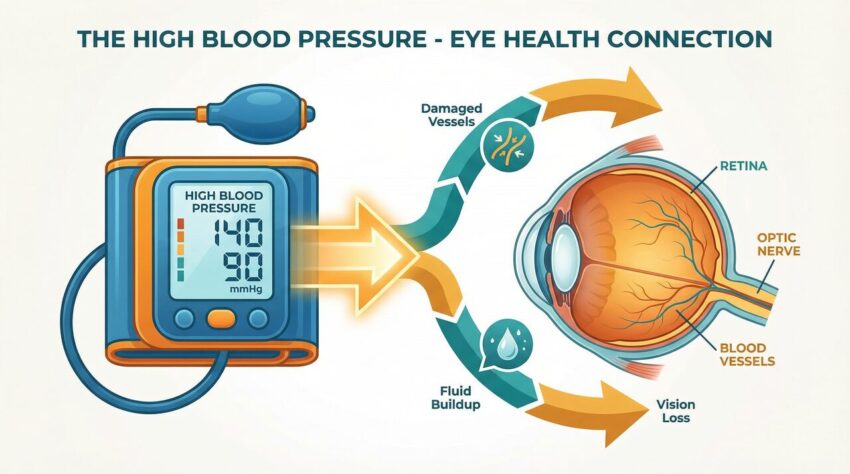
Diabetic retinopathy (DR) stands as a leading cause of vision impairment and blindness among working-aged adults globally. Characterized by damage to the blood vessels of the light-sensitive tissue at the back of the eye, the retina, DR progresses through stages, from mild non-proliferative diabetic retinopathy (NPDR) to severe proliferative diabetic retinopathy (PDR). The advent of…
Category: Diabetes Education
Exercise as Antidepressant: Neurobiological and Psychosocial Pathways to Well-being
Depression, a pervasive and debilitating mental health disorder, affects millions globally, significantly impacting quality of life and functional capacity. While pharmacological interventions and psychotherapy remain cornerstones of treatment, a growing body of evidence highlights the profound therapeutic potential of exercise as a potent antidepressant. This article delves into the mechanisms by which physical activity mitigates…
Screen Time and Diabetes: Unveiling the Metabolic Impact of Blue Light Exposure
In an increasingly digital world, screen time has become an ubiquitous aspect of daily life. From smartphones and tablets to computers and televisions, individuals are exposed to various forms of artificial light for extended periods. Among these, blue light, a component of the visible light spectrum with short wavelengths and high energy, has garnered significant…
Group Fitness Classes for Diabetes: Enhancing Health and Well-being Through Community and Movement
Managing diabetes effectively requires a multifaceted approach, and regular physical activity stands as a fundamental pillar in maintaining optimal glycemic control and overall health. While individualized exercise plans are valuable, participating in group fitness classes can offer additional advantages that extend beyond the physical. These classes provide structured routines, professional supervision, and a supportive community…
Anti-VEGF Injections: Revolutionizing Eye Disease Treatment and Preserving Vision
The treatment of multiple sight-threatening retinal diseases depends on anti-vascular endothelial growth factor (anti-VEGF) injections which serve as their main therapeutic approach. The medical field of ophthalmology has experienced a complete transformation through these therapeutic agents which attack pathological blood vessel growth and pathological fluid leakage in patients who suffer from neovascular (wet) age-related macular…
Anti-VEGF Injections: Revolutionizing Eye Disease Treatment and Preserving Vision
Navigating Exercise with Diabetic Complications: A Comprehensive Guide
The integration and sustained engagement in physical activity are fundamental components in the management of diabetes, offering profound benefits not only for glycemic regulation but also for overall cardiovascular and metabolic health. Nonetheless, the presence of diabetic complications necessitates a nuanced approach to exercise prescription. Tailored recommendations, grounded in current clinical evidence, are essential to…
World Hypertension Day: Unveiling the Silent Threat to Ocular Health
Hypertension, or high blood pressure, is one of the most widespread health challenges faced worldwide today, affecting billions of people across diverse populations. Often called the “silent killer,” this condition quietly damages the body because many individuals remain unaware of their elevated blood pressure until serious complications arise. While the devastating effects of hypertension on…
Understanding Vision Changes: A Comprehensive Guide for Diabetes Management and Eye Health
Vision changes can be a source of significant concern, particularly for individuals managing chronic conditions such as diabetes. Understanding the underlying causes of these changes and recognizing when to seek professional medical attention is crucial for preserving ocular health and overall well-being. This article provides a comprehensive overview of common vision changes, their potential implications,…
Cycling with Diabetes: Optimizing Health Through Road and Indoor Regimens
For individuals managing diabetes, regular physical activity is a cornerstone of effective glycemic control, cardiovascular health, and overall well-being. Among the myriad exercise options, cycling—both on the road and indoors—stands out as a particularly beneficial activity. Its low-impact nature, adaptability, and capacity for varying intensities make it an excellent choice for people with type 1…