Diabetes Distress vs. Clinical Depression: Understanding the Difference
Living with diabetes often presents a unique set of emotional challenges. Beyond the daily management of blood glucose levels and medication, individuals frequently grapple with the psychological impact of their condition. Two distinct yet sometimes overlapping emotional states commonly encountered are diabetes distress and clinical depression. Understanding the nuances between these conditions is crucial for effective support and improved well-being.
What is Diabetes Distress?
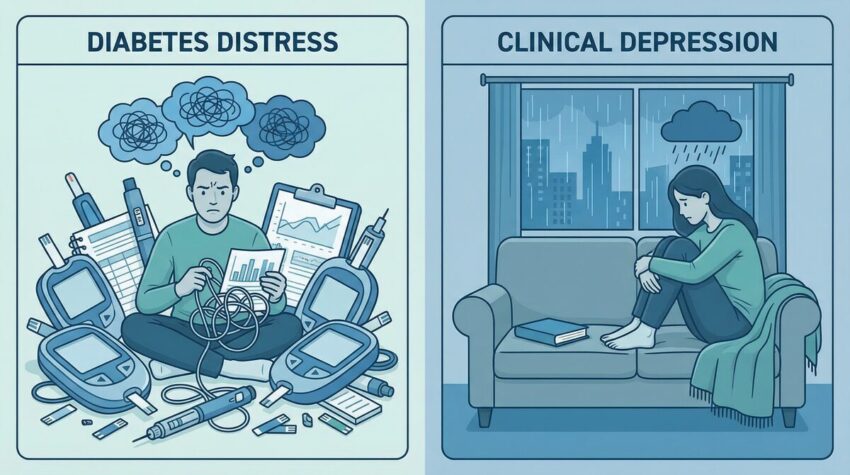
Diabetes distress refers to the emotional burden and worries specifically related to managing diabetes. It is a common reaction to the relentless demands of living with a chronic condition that requires constant attention. This distress is not a mental illness in itself, but rather a natural, albeit often overwhelming, response to the daily grind of self-care, the fear of complications, and the impact diabetes has on one’s lifestyle.
Individuals experiencing diabetes distress might feel frustrated by fluctuating blood glucose levels, overwhelmed by the sheer volume of information and tasks, or guilty about perceived failures in their self-management. They may also experience anger, sadness, or a sense of burnout. Crucially, these feelings are directly tied to their diabetes. The impact of diabetes distress can be significant, often leading to poorer glycaemic control, a reduced quality of life, and decreased adherence to treatment plans, creating a challenging cycle.
What is Clinical Depression?
Clinical depression, also known as major depressive disorder, is a serious mood disorder characterised by persistent sadness, a loss of interest or pleasure in activities, and a range of other symptoms that significantly impair daily functioning. Unlike diabetes distress, clinical depression is a general mental health condition, although it is notably more prevalent in people with diabetes. This increased susceptibility is thought to stem from a complex interplay of biological, psychological, and social factors.
Symptoms of clinical depression extend beyond diabetes-specific worries. They include a persistently low mood, anhedonia (inability to feel pleasure), significant changes in appetite or sleep patterns, profound fatigue, feelings of worthlessness or excessive guilt, difficulty concentrating, and, in severe cases, recurrent thoughts of death or suicide. The presence of clinical depression can profoundly worsen diabetes management, increase the risk of both acute and long-term complications, and severely impair an individual’s overall functioning and quality of life.
⚠️ Warning: Recognising the Signs
While diabetes distress is a normal reaction to the demands of diabetes, persistent and severe symptoms that interfere with daily life could indicate clinical depression. If you experience prolonged sadness, hopelessness, or thoughts of self-harm, seek professional help immediately.
Key Differences and Similarities
The primary distinction between diabetes distress and clinical depression lies in their specificity. Diabetes distress is inherently linked to the challenges of diabetes management, whereas clinical depression is a broader mental health condition. The focus of symptoms also differs; distress symptoms revolve around diabetes tasks and outcomes, while depressive symptoms are more pervasive, affecting all aspects of life.
Another crucial difference is their relationship with glycaemic control. Diabetes distress often has a direct and immediate impact on blood glucose levels, as feelings of overwhelm or burnout can lead to skipped medication or poor dietary choices. Clinical depression, while also affecting glycaemic control, tends to do so more indirectly through general apathy, lack of motivation, or neglect of self-care. It is important to acknowledge that these conditions can co-exist. Diabetes distress can, in fact, increase an individual’s vulnerability to developing clinical depression, highlighting the need for comprehensive mental health screening in diabetes care.
Why is Differentiating Important?
Accurately distinguishing between diabetes distress and clinical depression is paramount for several reasons. Firstly, it allows for tailored interventions. Diabetes distress often responds well to diabetes-specific coping strategies, such as education on self-management, problem-solving techniques, peer support groups, realistic goal setting, and fostering self-compassion. These approaches empower individuals to better manage the emotional burdens of their condition.
Conversely, clinical depression typically requires broader mental health treatments. These may include psychotherapy, such as cognitive behavioural therapy (CBT), antidepressant medication, or a combination of both. Without an accurate diagnosis, individuals might receive inappropriate or ineffective treatment, leading to prolonged suffering and poorer health outcomes. Therefore, improved outcomes are directly linked to precise differentiation, ensuring that individuals receive the most effective support for their specific emotional challenges.
ℹ️ Info: Integrated Care Approach
An integrated care approach, involving both diabetes healthcare professionals and mental health specialists, is often the most effective way to address the complex emotional needs of people with diabetes. This collaborative model ensures holistic support.
When to Seek Help?
Recognising when to seek professional help is a vital step towards improved well-being. If you experience persistent feelings of sadness, hopelessness, or irritability that last for more than a couple of weeks, or if these feelings significantly impact your daily life, work, or relationships, it is time to reach out. Similarly, if you find yourself consistently neglecting your diabetes management, withdrawing from social activities, or experiencing thoughts of self-harm, immediate professional intervention is necessary.
Your first point of contact can be your general practitioner or your diabetes healthcare team. They can assess your symptoms, offer initial guidance, and refer you to appropriate mental health professionals, such as psychologists, psychiatrists, or counsellors. Open communication with your healthcare providers about your emotional state is just as important as discussing your physical health.
Coping Strategies and Support
For individuals experiencing diabetes distress, several strategies can be highly effective. Education about diabetes and its management can demystify the condition and reduce feelings of being overwhelmed. Developing problem-solving skills for daily challenges, engaging in peer support groups, and setting realistic, achievable goals can significantly alleviate distress. Practising self-compassion and acknowledging the difficulty of living with diabetes are also crucial.
For clinical depression, treatment typically involves a combination of approaches. Therapy, particularly cognitive behavioural therapy (CBT), can help individuals identify and change negative thought patterns. Medication, such as antidepressants, may be prescribed to help regulate mood. Lifestyle changes, including regular physical activity, a balanced diet, and sufficient sleep, also play a supportive role. Support groups for depression can provide a sense of community and shared experience. The most effective approach often involves integrated care, where diabetes educators, endocrinologists, and mental health professionals work collaboratively to provide comprehensive support.
✅ Key Takeaway
While both diabetes distress and clinical depression can significantly impact the lives of people with diabetes, they are distinct conditions requiring different approaches to care. Recognising the specific emotional challenges you face and seeking appropriate, tailored support from your healthcare team is fundamental to achieving better mental and physical health outcomes.
 English
  Urdu
Urdu