
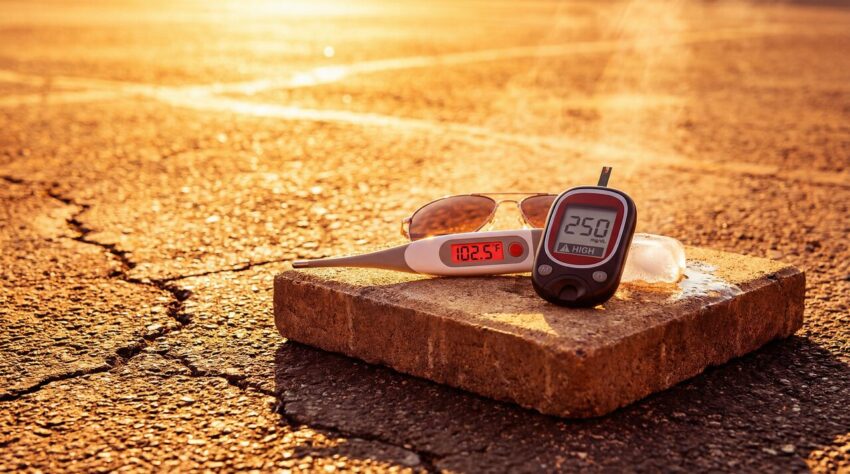
Heat and Blood Sugar: Why Summer Is Tricky
Introduction
Summer ushers in longer daylight hours, increased opportunities for outdoor activities, and, notably, higher temperatures. While many relish this season, individuals managing diabetes often face distinct hurdles, particularly in regulating blood sugar. The relationship between heat, hydration, and glucose metabolism is intricate. Gaining insight into these factors is vital for maintaining health during the hotter months. This article explores the reasons summer poses challenges for blood sugar control and outlines research-backed strategies to manage these difficulties effectively.
The Impact of Heat on Blood Sugar Levels
Dehydration and Glucose Concentration
Heat primarily influences blood sugar through its effect on hydration status. Elevated temperatures cause the body to sweat more, and if fluid intake does not keep pace, dehydration can develop. When dehydrated, the volume of water in the bloodstream decreases, leading to a higher concentration of glucose since there is less fluid to dilute it [1] [11] [12] [13]. This concentration effect can contribute to hyperglycemia, a condition marked by excessively high blood sugar levels that poses significant risks for those with diabetes.
Insulin Absorption and Effectiveness
Temperature also affects how insulin is absorbed and utilized in the body. Heat causes blood vessels to expand, increasing blood flow to the skin. This enhanced circulation may speed up insulin absorption, potentially causing blood sugar to drop faster than expected and raising the risk of hypoglycemia [1] [15]. On the other hand, exposure to prolonged extreme heat can degrade insulin, diminishing its potency if it is not stored properly [1]. Therefore, it is essential to shield insulin and other diabetes medications from direct sunlight and excessive heat.
Physical Activity and Heat Stress
Regular exercise is a fundamental component of diabetes care, but engaging in physical activity during hot weather demands extra caution. Heat stress can modify the body’s response to exercise, resulting in varying effects on blood sugar. Some individuals may experience hypoglycemia during or after exercise due to increased insulin sensitivity, whereas others might see blood sugar rise if stress hormones are released in response to heat [2]. Close monitoring of blood glucose before, during, and after physical activity in warm conditions is crucial.
“High temperatures can affect blood sugar levels, insulin storage, and overall health for people with diabetes.” – Vermont Department of Health [4]
Practical Strategies for Summer Diabetes Management
Prioritize Hydration
Maintaining adequate hydration stands as one of the most important tactics for managing diabetes in hot weather. Consistently drinking water throughout the day, even without feeling thirsty, helps prevent dehydration [6]. It is advisable to steer clear of sugary beverages, as these can further elevate blood glucose. During extended outdoor exertion, electrolyte-containing drinks may be helpful, but consultation with a healthcare provider is recommended to choose the most appropriate option.
Vigilant Blood Sugar Monitoring
Frequent blood glucose checks become even more critical during warm periods. Monitoring levels more often than usual—particularly before and after exercise or when symptoms of hypo- or hyperglycemia arise—allows for timely interventions [6]. It is important to note that some glucose meters may malfunction under extreme temperatures, so storing these devices in cool, dry environments is necessary to ensure accuracy.
Protect Medications and Supplies
Insulin and related diabetes medications are sensitive to heat exposure. Never leave insulin inside a hot car or in direct sunlight. Transport medications in insulated carriers with ice packs, ensuring that ice packs do not come into direct contact with insulin [1]. Likewise, blood glucose monitors, test strips, and insulin pumps must be shielded from high temperatures, as heat can compromise their function and precision [1].
Adjust Activity Levels and Timing
While physical activity remains essential, adapting exercise routines to avoid excessive heat is prudent. Avoid intense outdoor workouts during peak heat hours, typically between 10 a.m. and 4 p.m. [2]. Instead, consider indoor exercise, swimming, or scheduling activity during cooler parts of the day, such as early mornings or evenings. Attuning to one’s body and taking rest breaks when necessary helps mitigate heat-related risks.
Recognize and Respond to Heat-Related Illnesses
People with diabetes face heightened vulnerability to heat-related conditions like heat exhaustion and heatstroke. Awareness of symptoms—including headaches, dizziness, nausea, profuse sweating, and confusion—is vital [10]. Immediate medical attention should be sought if these signs appear. Carrying identification that communicates one’s diabetes status can be lifesaving in emergencies.
Key Takeaways
- Hydration is paramount: Consistently drinking water prevents dehydration and helps maintain stable blood sugar.
- Monitor blood sugar frequently: Heat can cause unpredictable glucose fluctuations, making regular checks essential.
- Protect insulin and devices: Exposure to extreme heat can degrade medications and impair monitoring equipment.
- Adjust activity: Exercise during cooler times and reduce intensity during peak heat to avoid complications.
- Know the signs of heat illness: Recognize symptoms promptly and seek medical care when necessary.
References
- [1] Centers for Disease Control and Prevention. Managing Diabetes in the Heat. https://www.cdc.gov/diabetes/articles/managing-diabetes-in-the-heat.html
- [2] Bayhealth. Heat and Diabetes: Six Tips You Need to Know. https://www.bayhealth.org/community-wellness/blog/2021/august/heat-and-diabetes-six-tips-you-need-to-know
- [4] Vermont Department of Health. Stay Cool & Safe: Managing Diabetes in the Heat. https://www.healthvermont.gov/sites/default/files/document/hpdp-diabetes-managing-heat.pdf
- [6] The TruMed. 7 Tips for Managing Your Diabetes in Extreme Summer Heat. https://www.thetrumed.com/post/7-tips-for-managing-your-diabetes-in-extreme-summer-heat
- [10] Diabetes UK. Diabetes and hot weather. https://www.diabetes.org.uk/about-diabetes/looking-after-diabetes/hot-weather
- [11] DiaTribe. Diabetes and Hydration: Are You Drinking Enough Water? https://diatribe.org/diet-and-nutrition/diabetes-and-hydration-are-you-drinking-enough-water
- [12] American Diabetes Association. Sports Drinks Impact on Glucose (Blood Sugar). https://diabetes.org/health-wellness/fitness/sports-drinks-impact-on-glucose-blood-sugar
- [13] Beyond Type 1. How Dehydration Can Spike Your Blood Sugar. https://beyondtype1.org/dehydration-blood-sugar/
- [15] Houston Diabetes Institute. How to Manage Blood Sugar Levels During Hot Weather. https://www.houstondiabetesinstitute.org/blog/1331914-how-to-manage-blood-sugar-levels-during-hot-weather/
Conclusion
Effectively managing diabetes throughout the summer demands foresight and attentiveness. Understanding the ways in which heat influences blood sugar, prioritizing hydration, safeguarding medications, and modifying physical activity patterns enable individuals with diabetes to enjoy the season safely. Collaborating with healthcare professionals to tailor diabetes management plans in response to seasonal changes remains imperative. Staying informed and prepared is key to maintaining well-being even as temperatures climb.
 English
  Urdu
Urdu