Type 2 diabetes is the most common form of diabetes, affecting around 90% of all people with the condition. It develops when the body becomes resistant to insulin or stops producing enough of it, causing blood glucose to rise.
Most people are diagnosed in adulthood, often after a routine blood test. Many have lived with raised glucose for years before symptoms appear.
What you’ll find in our complete guide
- Symptoms, risk factors, and who’s most at risk
- How type 2 diabetes is diagnosed (HbA1c, fasting glucose, OGTT)
- Diet and lifestyle treatment
- Modern medications — metformin, GLP-1 agonists, SGLT2 inhibitors
- When and how remission is possible
Latest articles on Type 2 Diabetes
Mother’s Day: Raising Awareness for Gestational Diabetes Mellitus: NICE NG3-aligned guidance on diagnosis, glucose targets, treatment options, and what to.
Swimming with Diabetes: CGM and Pump Tips: how continuous glucose monitoring data can guide diabetes decisions, what the patterns mean,
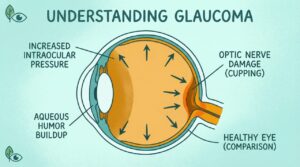
Diabetes can raise the chance of eye problems, including glaucoma. Regular eye exams help catch changes before vision is lost.
Optimizing Exercise Timing for Diabetes Management and Ocular Health: Before or After Meals?: a diabetes-friendly recipe with low net carbs,
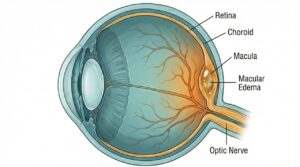
Understanding Diabetic Macular Edema: A Guide to Causes and Treatments: how diabetes affects vision, screening schedule recommended by the NHS
Resistance training can support type 2 diabetes care. Learn benefits, safety tips, and how to start strength exercise gradually.
Cinco de Mayo: Enjoying Mexican Cuisine with Diabetes in Mind: evidence-based guidance reviewed against current NICE and ADA recommendations. Practical.
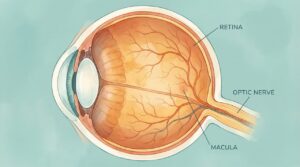
The Indispensable Annual Eye Exam for Individuals with Diabetes: how diabetes affects vision, screening schedule recommended by the NHS Diabetic
Walking 10,000 Steps: Re-evaluating the Goal for Health and Diabetes Management: how exercise affects blood glucose, the right intensity and
Diabetic Retinopathy: Essential Strategies for Vision Preservation: how diabetes affects vision, screening schedule recommended by the NHS Diabetic Eye.