
Hybrid Closed-Loop Systems Explained: A Comprehensive Guide for Diabetes Management
Hybrid Closed-Loop (HCL) systems, often referred to as an ‘artificial pancreas,’ represent a significant advancement in the management of type 1 diabetes and, increasingly, type 2 diabetes. These innovative systems integrate continuous glucose monitoring (CGM) with insulin pump technology and sophisticated algorithms to automate insulin delivery, aiming to mimic the physiological function of a healthy pancreas. This guide will delve into the mechanics, benefits, and practical considerations of HCL systems, providing an evidence-based overview for individuals living with diabetes and healthcare professionals.
Understanding the Components of a Hybrid Closed-Loop System
An HCL system is a sophisticated network of three primary components working in concert:
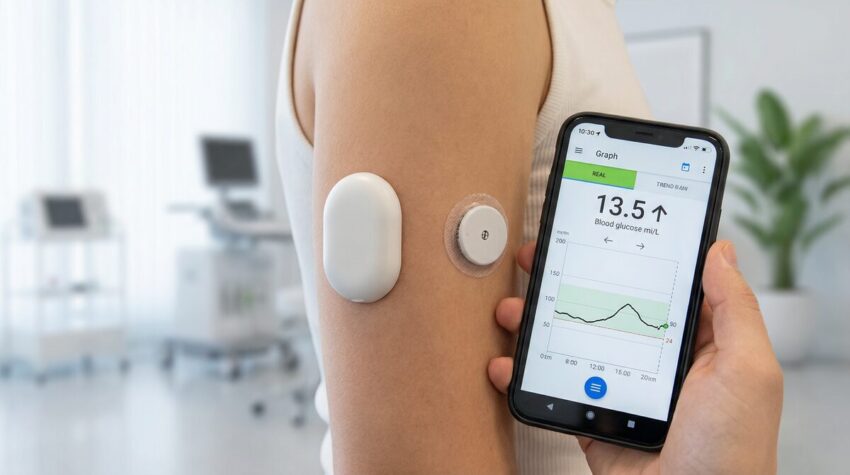
- Continuous Glucose Monitor (CGM): A small sensor, typically worn on the arm or abdomen, measures glucose levels in the interstitial fluid just beneath the skin. These readings are transmitted wirelessly to the insulin pump or a compatible receiver every few minutes, providing real-time glucose data. This continuous feedback is crucial for the system’s ability to make timely adjustments to insulin delivery.
- Insulin Pump: This device delivers rapid-acting insulin subcutaneously through a cannula. Unlike traditional pumps that require manual programming for basal rates and boluses, the HCL system’s pump receives instructions from the control algorithm, allowing for automated adjustments to basal insulin delivery.
- Control Algorithm: This is the ‘brain’ of the HCL system. Housed within the insulin pump or a separate compatible device (like a smartphone), the algorithm analyzes real-time CGM data, predicts future glucose trends, and calculates the appropriate amount of basal insulin to deliver. It continuously adjusts insulin delivery to maintain glucose levels within a target range, minimizing both hyperglycemia (high blood sugar) and hypoglycemia (low blood sugar).
How Hybrid Closed-Loop Systems Work
The ‘hybrid’ aspect of these systems is key. While they automate basal insulin delivery, users are still required to manually input carbohydrate counts for meals and administer bolus insulin doses. This distinguishes them from a ‘fully closed-loop’ system, which would completely automate all insulin delivery, including mealtime boluses. However, even with this hybrid approach, the automation of basal insulin significantly reduces the burden of diabetes management.
ℹ️ Important Note on Hybrid Systems
Upon receiving glucose data from the CGM, the algorithm processes this information. If glucose levels are trending high, the algorithm instructs the pump to increase basal insulin. Conversely, if glucose levels are trending low, it reduces or suspends basal insulin delivery to prevent hypoglycemia. This proactive adjustment helps to stabilize glucose levels throughout the day and night.
Benefits of Hybrid Closed-Loop Systems
The adoption of HCL systems has demonstrated numerous benefits for individuals with type 1 diabetes:
- Improved Glycemic Control: Studies consistently show that HCL systems lead to significant improvements in HbA1c levels, increased time in range (TIR), and reduced time spent in hyperglycemia [1] [2]. This tighter control can lower the risk of long-term diabetes complications.
- Reduced Hypoglycemia: The predictive capabilities of the algorithms help to anticipate and prevent hypoglycemic episodes, particularly nocturnal hypoglycemia, which is a major concern for many individuals with diabetes [3].
- Enhanced Quality of Life: By automating a significant portion of diabetes management, HCL systems can reduce the mental burden and stress associated with constant glucose monitoring and insulin adjustments. This leads to improved sleep quality and overall well-being [4].
- Flexibility and Freedom: The continuous, automated adjustments allow for greater flexibility in daily routines, exercise, and meal timing, providing users with more freedom and less worry about glucose fluctuations.
Types of Hybrid Closed-Loop Systems
Several HCL systems are currently available, each with its unique features and algorithms. Some prominent examples include:
- Medtronic MiniMed 670G/770G/780G: These systems utilize Medtronic’s Guardian Sensor and an insulin pump, with algorithms that adjust basal insulin every 5 minutes.
- Tandem Control-IQ Technology: Integrated with the t:slim X2 insulin pump and Dexcom G6 CGM, Control-IQ predicts glucose levels 30 minutes in advance and adjusts insulin delivery accordingly, including automatic correction boluses.
- Omnipod 5 Automated Insulin Delivery System: This tubeless pod system integrates with the Dexcom G6 CGM, offering automated insulin delivery through a smartphone app.
Each system has specific requirements, such as compatible CGM devices and age restrictions, and individuals should discuss the best option with their healthcare provider.
Considerations and Challenges
While HCL systems offer substantial advantages, there are considerations:
⚠️ Important Considerations
- Carbohydrate Counting: Accurate carbohydrate counting remains essential for mealtime boluses, which can be a learning curve for some users.
- System Alarms and Alerts: Users need to be responsive to alarms and alerts from the CGM and pump, which can sometimes be frequent.
- Cost and Access: The initial cost of HCL systems and ongoing supplies can be a barrier for some, though coverage varies by insurance and region.
- Technology Learning Curve: Adapting to the technology and understanding its nuances requires education and patience.
The Future of Closed-Loop Technology
Research and development in closed-loop technology are rapidly progressing. The goal is to achieve fully closed-loop systems that require no manual input for meals, and even bi-hormonal systems that deliver both insulin and glucagon to manage both high and low blood sugar more comprehensively. These advancements promise even greater automation and improved outcomes for individuals with diabetes.
Conclusion
Hybrid Closed-Loop systems represent a transformative leap in diabetes management, offering a powerful tool for achieving better glycemic control, reducing hypoglycemia, and enhancing the quality of life for many. While they require a degree of user engagement, the benefits of automated basal insulin delivery are undeniable. As technology continues to evolve, HCL systems will undoubtedly play an even more central role in empowering individuals to live healthier lives with diabetes.
✅ Key Takeaway
Hybrid Closed-Loop systems integrate continuous glucose monitoring with insulin pumps and algorithms to automate insulin delivery, significantly improving glycemic control, reducing hypoglycemia, and enhancing the quality of life for individuals with diabetes. While requiring some user input for meals, these systems represent a major advancement in mimicking pancreatic function and offer greater flexibility in daily diabetes management.
References
- [1] Breakthough T1D. (2025, December 22). Hybrid closed loop technology (artificial pancreas). Retrieved from https://breakthrought1d.org.uk/knowledge-support/managing-type-1-diabetes/guide-to-type-1-diabetes-technology/hybrid-closed-loop-technology-artificial-pancreas/
- [2] DZD. Type 1 Diabetes: Hybrid Closed-Loop and Open-Loop Systems. Retrieved from https://www.dzd-ev.de/en/press/press-releases/press-releases-2025/type-1-diabetes-hybrid-closed-loop-and-open-loop-systems
- [3] PMC. (2022, June 6). Closed-Loop Insulin Delivery Systems: Past, Present, and Future. Retrieved from https://pmc.ncbi.nlm.nih.gov/articles/PMC9207329/
- [4] Diabetes UK. (2025, October 2). What are closed loop systems?. Retrieved from https://www.diabetes.org.uk/about-diabetes/looking-after-diabetes/technology/closed-loop-systems
 English
  Urdu
Urdu