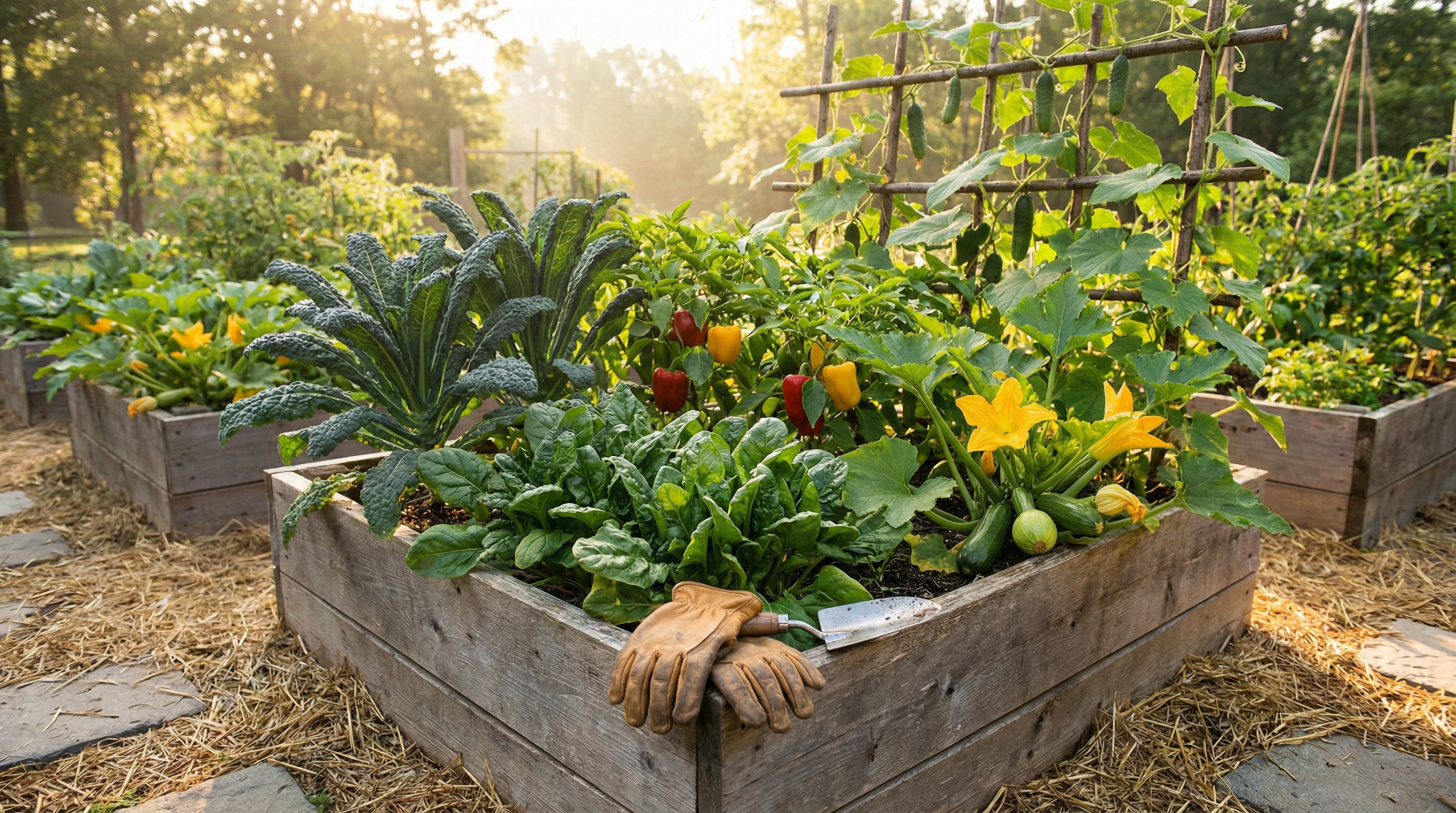
Growing vegetables can make healthy meals feel easier and more enjoyable. For diabetes, lower-carb vegetables can add fiber, color, and volume without becoming the main carbohydrate source.
Quick summary
A garden does not need to be large. A pot of herbs, salad greens, tomatoes, peppers, or cucumbers can still change how a meal comes together.
Key takeaways
- Non-starchy vegetables are usually lower in carbohydrate.
- Starchy vegetables still count as carbs for many meal plans.
- Garden produce should be washed and stored safely.
- Kidney disease can change advice about very high-potassium foods.
Good garden choices
- Leafy greens, lettuce, spinach, kale, and herbs.
- Tomatoes, peppers, cucumbers, courgette, green beans, and radishes.
- Broccoli, cauliflower, cabbage, and other cruciferous vegetables if space allows.
- Peas, corn, potatoes, and winter squash can fit but are more carbohydrate-rich.
Turn the garden into meals
Use vegetables to add volume to eggs, soups, salads, tacos, grilled plates, and pasta portions. Herbs can reduce the need for salty or sugary sauces.
Wash produce well, keep cut produce cold, and avoid using damaged or contaminated produce. If kidney disease is present, ask whether potassium guidance changes your choices.
Practical takeaway
A diabetes-friendly garden is not about perfect low-carb rules. It is about making better meals easier to repeat.
Safety note
This article is not a substitute for medical care. Seek individualized nutrition advice if you have kidney disease, food allergies, pregnancy, digestive problems, or major diet changes with medicines.
What to ask your care team
- Which vegetables would I actually eat often?
- Which garden foods should I count as carbohydrates?
- Do kidney labs affect my vegetable plan?
Related reading
Source summary
- Healthy Eating, Centers for Disease Control and Prevention. Patient guidance. Accessed June 5, 2026. Source
- Choosing Healthy Carbs, Centers for Disease Control and Prevention. Patient guidance. Accessed June 5, 2026. Source
- Healthy Living With Diabetes, National Institute of Diabetes and Digestive and Kidney Diseases. Patient guidance. Accessed June 5, 2026. Source
- How to Understand and Use the Nutrition Facts Label, U.S. Food and Drug Administration. Patient guidance. Accessed June 5, 2026. Source