
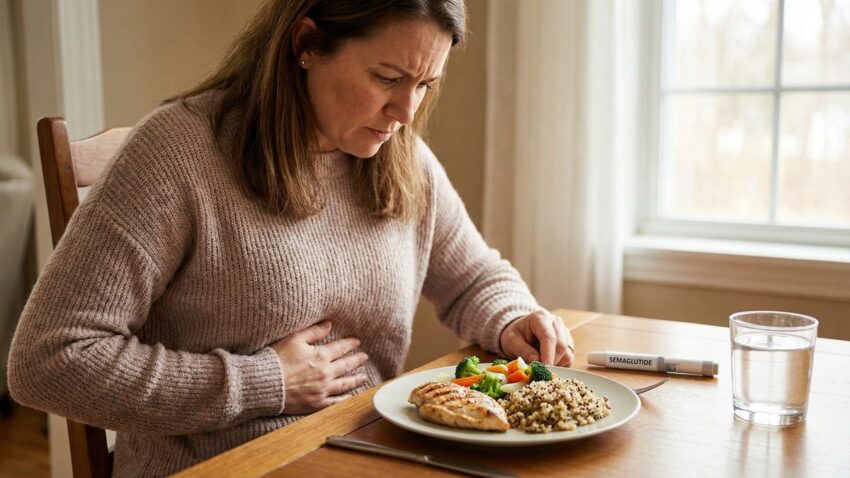
GLP-1 receptor agonists have transformed diabetes and weight management, but their gastrointestinal side effects cause many people to reduce doses or discontinue treatment prematurely. Most side effects are manageable and tend to diminish over time. This guide explains what to expect and how to minimise discomfort.
Why GLP-1 Medications Cause Side Effects
GLP-1 receptor agonists — including semaglutide (Ozempic, Wegovy), liraglutide (Victoza, Saxenda), and tirzepatide (Mounjaro) — work partly by slowing gastric emptying. This means food moves more slowly from the stomach into the small intestine, which helps reduce post-meal glucose spikes and promotes satiety. However, this same mechanism is responsible for the most common side effects: nausea, vomiting, bloating, and constipation.
These effects are most pronounced during dose escalation phases and typically improve significantly after four to eight weeks as the body adapts.
Most Common Side Effects and Management
| Side Effect | Frequency | Management Strategy |
|---|---|---|
| Nausea | Very common (30–50%) | Eat smaller meals; avoid fatty or spicy foods; inject in the evening |
| Vomiting | Common (10–20%) | Stay hydrated; eat bland foods; contact doctor if persistent |
| Constipation | Common (10–24%) | Increase water and fibre; gentle exercise; consider a stool softener |
| Diarrhoea | Common (8–15%) | Avoid high-fat meals; stay hydrated; usually self-limiting |
| Bloating | Common | Eat slowly; avoid carbonated drinks; smaller, more frequent meals |
Practical Tips to Minimise Nausea
- Eat smaller portions. The slowed gastric emptying means your stomach fills more quickly. Eating to 70–80% fullness can significantly reduce nausea.
- Avoid trigger foods. High-fat meals, very sweet foods, and spicy dishes are the most common nausea triggers on GLP-1 therapy.
- Time your injection strategically. Many people find that injecting in the evening means the peak side effect period occurs during sleep.
- Stay upright after eating. Aim to remain upright for at least 30 minutes after eating.
⚠️ When to Contact Your Doctor
Seek medical advice if you experience severe or persistent vomiting, signs of dehydration, severe abdominal pain (which may indicate pancreatitis), or if side effects are not improving after 4–6 weeks at a stable dose.
✅ Key Takeaway
GLP-1 side effects are common, predictable, and in most cases manageable with the right strategies. The adjustment period is temporary; the benefits of treatment are long-term. With patience, dietary adjustments, and open communication with your healthcare team, the majority of people are able to tolerate and benefit from these medications.
 English
  Urdu
Urdu