Mastering Outdoor Adventures: A Practical Guide to Camping with Diabetes
Venturing into nature—whether for camping or hiking—offers a unique blend of physical exercise, mental clarity, and a deep connection to the environment. For those living with diabetes, the prospect of outdoor excursions is not only achievable but can also be profoundly gratifying. Yet, crafting a successful and safe experience requires thoughtful preparation and a clear understanding of how diabetes intersects with outdoor activity. This guide aims to offer a thorough overview, blending essential knowledge with actionable tips to empower your next camping trip.
How Outdoor Activity Influences Blood Sugar Levels
Engaging in physical activities such as hiking or setting up camp, has a notable impact on blood glucose regulation. One common effect is increased insulin sensitivity, which can lower blood sugar levels, sometimes leading to hypoglycemia if insulin doses or carbohydrate intake aren’t properly adjusted. On the other hand, stressors like navigating tricky terrain or unexpected encounters with wildlife might trigger a rise in adrenaline, causing temporary spikes in blood sugar. Additionally, changes in altitude can alter insulin absorption rates and glucose metabolism, further complicating glycemic control. For these reasons, frequent blood glucose monitoring and timely adjustments in insulin or food intake are essential components of managing diabetes in the outdoors.
Must-Have Gear and Supplies for Diabetes Care in the Wild
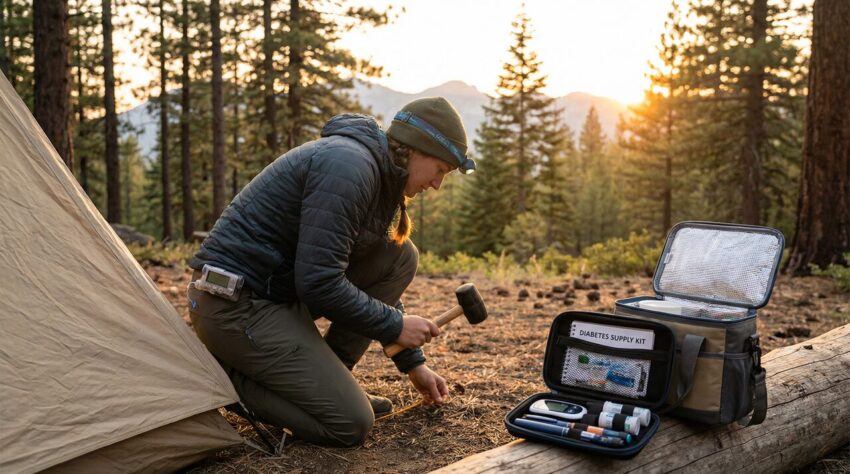
Successful management of diabetes during camping hinges on assembling the right equipment alongside your usual outdoor essentials. Beyond tents, sleeping bags, and cooking tools, several diabetes-specific items are critical to pack.
Medical Supplies
- Insulin and Delivery Devices: Ensure you bring an ample supply of insulin, including both short-acting and long-acting types if your regimen requires them. Don’t forget your insulin pump, pens, syringes, and extra components such as infusion sets or pen needles. Having a backup insulin delivery method is vital in case of device failure.
- Blood Glucose Monitoring: A dependable blood glucose meter, accompanied by sufficient test strips and lancets, is indispensable. For those using Continuous Glucose Monitors (CGMs), carry your receiver or display unit along with spare sensors. Keep in mind that remote locations can interfere with device signals, so having a traditional meter as a fallback is prudent.
- Hypoglycemia Treatment: Quick-acting carbohydrate sources should never be overlooked. Glucose tablets, gels, honey packets, or small juice boxes work well. Additionally, carrying glucagon for severe hypoglycemic events is critical.
- Emergency Identification: Wearing a medical ID bracelet or necklace can alert others to your condition. Also, keep a written note detailing your name, medical history, current medications, and emergency contacts.
General Camping Essentials Tailored to Diabetes Needs
- Food and Hydration: Pack extra snacks rich in carbohydrates and protein, such as granola bars, trail mix, or peanut butter crackers. For day hikes, pre-portioned meals with known carbohydrate counts help maintain stable glucose levels. Staying well-hydrated is equally important; carry a reusable water bottle and consider electrolyte replacements to maintain balance. For longer trips, a reliable water purification method is essential.
- Temperature Management: Insulin’s effectiveness is sensitive to extreme temperatures. In hot climates, use cooling pouches like Frio packs or small insulated coolers to keep insulin stable. Conversely, in cold weather, keep your insulin and devices close to your body to prevent freezing, while noting that colder temperatures may also reduce battery life in electronic devices.
- Power Solutions: For those relying on electronic devices, bring fully charged portable batteries or solar chargers to ensure continuous operation. Maintaining a low-tech backup plan is advisable for unpredictable conditions.
- Foot Care: Foot health takes on heightened importance for people with diabetes. Wear well-fitted, supportive footwear and examine your feet daily for any signs of blisters, cuts, or irritation to prevent complications.
Planning Your Camping Trip: Critical Points to Consider
Consult Your Healthcare Team
Before you set out, it’s wise to discuss your plans with your healthcare provider. They can help tailor insulin dosing to accommodate increased physical activity, adjust your blood glucose targets if necessary, and provide additional prescriptions for supplies to cover any unforeseen needs.
Assess Weather Conditions
The weather can profoundly influence diabetes management. Heat may destabilize insulin and cause snacks to spoil or melt, while cold can freeze insulin and deplete device batteries more rapidly. Planning for these extremes by packing appropriate storage solutions and clothing layers can mitigate these risks.
Prepare for Limited Electricity and Communication
Remote campsites often lack reliable electricity and cellular signals. Anticipate these limitations by carrying backup power sources, physical monitoring tools, and emergency communication devices if possible.
Thoughtful Food and Meal Planning
Given the increased energy demands and unpredictable meal times outdoors, deliberate meal preparation is essential. Choose non-perishable, diabetes-friendly foods that are easy to carry and consume on the trail.
“Preparation is not just about packing supplies; it’s about understanding how your body responds to new environments and activities, and having a flexible plan to adapt.”
Key Takeaways
- Proactive Planning: Thoughtful preparation of medical supplies, nutrition, and insulin adjustments ensures safety and confidence during outdoor activities.
- Frequent Monitoring: Regular blood glucose checks are essential to detect and respond to fluctuations caused by exercise, stress, and environmental factors.
- Temperature Awareness: Protect insulin and devices from heat and cold to maintain their effectiveness throughout your trip.
- Backup Everything: Carry extra insulin, monitoring equipment, and power sources to handle unexpected challenges.
- Professional Guidance: Collaborate with your healthcare team to customize your diabetes management plan according to your outdoor plans.
Conclusion
Embarking on camping trips while managing diabetes can be deeply fulfilling when approached with care and preparation. Recognizing the unique challenges posed by the outdoors and equipping yourself with practical strategies enables you to enjoy nature confidently and safely. Always heed your body’s signals, maintain diligent glucose monitoring, and seek personalized advice from your healthcare providers. With these steps, your next outdoor adventure can be both safe and memorable—your gateway to embracing nature while managing diabetes effectively.
 English
  Urdu
Urdu