
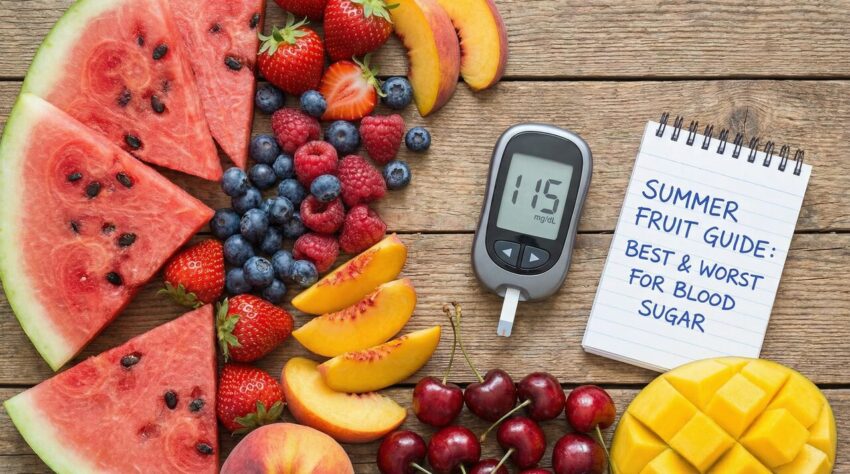
Summer brings a bounty of delicious fruits, vibrant and refreshing. For individuals managing diabetes, however, the question often arises: which of these seasonal delights can be enjoyed freely, and which should be approached with caution? This article aims to demystify the role of summer fruits in a diabetes-friendly diet, providing evidence-based guidance to help you make informed and enjoyable choices.
Understanding Fruit and Blood Sugar
Fruits are packed with vitamins, minerals, and fiber, all crucial for overall health. The fiber content in particular helps to slow down sugar absorption, mitigating rapid spikes in blood glucose. Nevertheless, fruits also contain natural sugars, primarily fructose, which can impact blood sugar levels. The key lies in understanding the glycemic index (GI) and glycemic load (GL) of different fruits, as well as portion control.
- Glycemic Index (GI): A measure of how quickly a food raises blood sugar levels. Foods with a lower GI (55 or less) are generally preferred.
- Glycemic Load (GL): Accounts for both the GI and the amount of carbohydrates in a serving, providing a more comprehensive picture of a food’s impact on blood sugar.
Best Summer Fruits for Diabetes Management
Many summer fruits can be safely incorporated into a diabetes meal plan, offering both nutritional benefits and a delightful taste. These fruits typically have a lower glycemic index and are rich in fiber and antioxidants.
Berries: A Diabetic’s Best Friend
Strawberries, blueberries, raspberries, and blackberries are exceptionally good choices. They are low in sugar, high in fiber, and brimming with antioxidants. For instance, a cup of strawberries contains approximately 7 grams of sugar and 3 grams of fiber, making them a blood sugar-friendly option. Their vibrant colors are indicative of their rich phytonutrient content, which can help reduce inflammation and improve insulin sensitivity.
Cherries: Small but Mighty
Sweet and tart cherries, while often perceived as high in sugar, actually have a relatively low GI of around 22. They are also rich in anthocyanins, compounds that may help lower blood sugar levels and protect against diabetes complications. Enjoy them in moderation, perhaps a handful as a snack.
Peaches and Nectarines: Stone Fruit Delights
These juicy stone fruits offer a moderate amount of natural sugars and a good dose of fiber. A medium peach contains about 13 grams of sugar and 2 grams of fiber. They are also a good source of vitamins A and C. Enjoy them fresh, sliced into salads, or grilled for a unique flavor.
Plums: A Sweet and Tangy Treat
Similar to peaches, plums are another excellent summer fruit with a low to moderate GI. They provide dietary fiber and antioxidants. A small plum typically contains about 7 grams of sugar and 1 gram of fiber. They make for a satisfying and healthy snack.
Cantaloupe and Honeydew: Hydrating Choices
These melons are high in water content, making them incredibly hydrating during hot summer months. While their GI can be moderate, their overall GL is often low due to their high water content. Portion control is key here; a single cup of cantaloupe has about 13 grams of sugar and 1.5 grams of fiber. Pair them with a source of protein, like a small handful of nuts, to further stabilize blood sugar.
“While all fruits contain natural sugars, the fiber content in whole fruits helps to slow down glucose absorption, making them a far healthier choice than fruit juices or dried fruits, which often lack this crucial fiber.”
Summer Fruits to Approach with Caution
Some summer fruits, while nutritious, can have a higher impact on blood sugar levels due to their sugar content or glycemic profile. This does not mean they are entirely off-limits, but rather that they require careful portioning and consideration.
Watermelon: The Summer Icon
Watermelon is a quintessential summer fruit, incredibly refreshing and hydrating. However, it has a high glycemic index (around 76). Despite this, its glycemic load can be relatively low due to its high water content. The key is strict portion control. A small wedge, rather than a large slice, can be enjoyed occasionally.
Mangoes: Tropical Sweetness
Mangoes are rich in vitamins and antioxidants, but they are also quite high in natural sugars. A single mango can contain upwards of 45 grams of sugar. If you choose to enjoy mango, opt for a very small portion and pair it with protein or healthy fats to minimize blood sugar impact.
Grapes: Tiny Sugar Bombs
Grapes, particularly red and green varieties, are known for their sweetness. They have a moderate to high GI and are easy to overeat. A cup of grapes can contain about 23 grams of sugar. Enjoy them sparingly and in small, measured portions.
Practical Tips for Enjoying Summer Fruits with Diabetes
- Portion Control is Paramount: Even low-GI fruits can raise blood sugar if consumed in large quantities. Stick to recommended serving sizes.
- Pair with Protein or Healthy Fats: Eating fruit with a source of protein (e.g., Greek yogurt, nuts, cheese) or healthy fats (e.g., avocado) can help slow down sugar absorption and promote satiety.
- Choose Whole Fruits Over Juices: Fruit juices lack the beneficial fiber found in whole fruits, leading to quicker and higher blood sugar spikes.
- Opt for Fresh or Frozen: Canned fruits often contain added sugars. If using canned, choose varieties packed in water or their own juice with no added sugar.
- Monitor Your Blood Sugar: Pay attention to how different fruits affect your individual blood sugar levels. This personalized feedback is invaluable.
Key Takeaways
- Prioritize low-glycemic summer fruits like berries, cherries, peaches, and plums for better blood sugar management.
- Practice strict portion control, especially for higher-GI fruits such as watermelon, mangoes, and grapes.
- Always pair fruits with protein or healthy fats to help stabilize blood sugar levels.
- Choose whole, fresh, or frozen fruits over juices or canned varieties with added sugars.
- Regularly monitor your blood sugar to understand your body’s unique response to different fruits.
Conclusion
Summer fruits can be a delightful and nutritious part of a diabetes-friendly diet. By understanding the glycemic impact of various fruits, practicing mindful portion control, and pairing them wisely, you can savor the flavors of the season without compromising your health goals. Always remember to consult with your healthcare provider or a registered dietitian for personalized dietary advice tailored to your specific needs. Enjoy your summer, one delicious and healthy fruit at a time!
 English
  Urdu
Urdu