
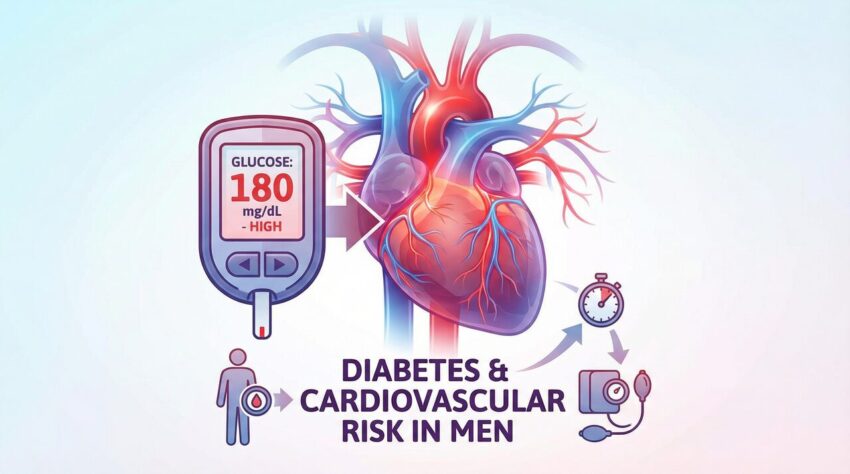
Navigating the Cardiovascular Landscape: Heart Attack Risk in Men with Diabetes
For men living with diabetes, the specter of cardiovascular disease, particularly heart attack, looms significantly larger than for their non-diabetic counterparts. This heightened risk is not merely a statistical anomaly; rather, it is a complex interplay of metabolic dysregulation, physiological changes, and often, lifestyle factors. This article aims to demystify this critical connection, providing an evidence-based yet empathetic guide for men with diabetes to understand, mitigate, and proactively manage their heart attack risk. Our goal is to empower you with knowledge, fostering a sense of control over your cardiovascular health journey.
Understanding the Link Between Diabetes and Heart Disease
The Silent Threat: How Diabetes Impacts the Heart
Diabetes, characterized by persistently elevated blood glucose levels, initiates a cascade of detrimental effects throughout the body, with the cardiovascular system bearing a substantial burden. Chronic hyperglycemia contributes to endothelial dysfunction, a condition where the inner lining of blood vessels becomes impaired, losing its ability to regulate blood flow and prevent clot formation. Insulin resistance, a hallmark of type 2 diabetes, further exacerbates this by promoting inflammation and oxidative stress, both key drivers of arterial damage [1].
This insidious process often culminates in atherosclerosis, a progressive disease where plaque, composed of cholesterol, fatty substances, cellular waste products, calcium, and fibrin, builds up inside the arteries. This plaque hardens and narrows the arteries, restricting blood flow to vital organs, including the heart. When a plaque ruptures, it can trigger the formation of a blood clot, leading to a heart attack [2].
Why Men with Diabetes Face Higher Risks
While diabetes increases cardiovascular risk for everyone, men with diabetes often face unique challenges and a disproportionately higher burden of heart disease. Research indicates that men with diabetes tend to develop cardiovascular disease at an earlier age and experience more severe outcomes compared to women with diabetes [3]. This disparity can be attributed to several factors, including differences in hormonal profiles, varying lifestyle patterns, and potentially, diagnostic delays. For instance, men may sometimes exhibit less typical symptoms of heart disease, leading to delayed diagnosis and intervention.
Identifying the Risk Factors
Beyond Blood Sugar: Key Contributors to Heart Attack Risk
Managing blood glucose is paramount, but it is only one piece of the intricate puzzle of cardiovascular health. Several other modifiable and non-modifiable risk factors significantly amplify the heart attack risk in men with diabetes:
- Hypertension (High Blood Pressure): Often co-occurring with diabetes, high blood pressure places excessive strain on arterial walls, accelerating atherosclerotic plaque formation and increasing the likelihood of plaque rupture [4].
- Dyslipidemia (Abnormal Cholesterol Levels): This involves an unfavorable lipid profile, typically characterized by elevated levels of low-density lipoprotein (LDL) cholesterol (often termed ‘bad’ cholesterol), low levels of high-density lipoprotein (HDL) cholesterol (‘good’ cholesterol), and high triglycerides. This combination significantly contributes to plaque buildup in the arteries [5].
- Obesity and Abdominal Adiposity: Excess body fat, particularly around the abdomen, is strongly linked to insulin resistance, chronic inflammation, and an increased risk of both type 2 diabetes and cardiovascular disease. It exacerbates other risk factors like hypertension and dyslipidemia [6].
- Smoking: Tobacco use is a potent cardiovascular toxin. It damages blood vessels, reduces oxygen delivery to the heart, increases blood pressure, and promotes blood clot formation, dramatically escalating heart attack risk in individuals with and without diabetes [7].
- Family History: A genetic predisposition to heart disease or diabetes means an individual may inherit a higher susceptibility. While not modifiable, awareness of family history can motivate more aggressive risk factor management [8].
- Sedentary Lifestyle: Lack of regular physical activity contributes to obesity, insulin resistance, and unfavorable lipid profiles, all of which heighten cardiovascular risk. Conversely, regular exercise improves glucose control, blood pressure, and cholesterol levels [9].
Recognizing the Warning Signs
Don’t Ignore the Signals: Atypical Symptoms in Men with Diabetes
Recognizing the warning signs of a heart attack is crucial for timely intervention and improved outcomes. While classic symptoms like crushing chest pain, shortness of breath, and pain radiating to the arm are well-known, men with diabetes may experience atypical or subtle symptoms due to diabetic neuropathy, which can affect nerve sensations. This can lead to a delayed recognition of a cardiac event.
Classic Heart Attack Symptoms:
- Chest pain or discomfort: often described as pressure, squeezing, fullness, or pain in the center of the chest that lasts more than a few minutes, or goes away and comes back.
- Pain or discomfort in other areas of the upper body: including one or both arms, the back, neck, jaw, or stomach.
- Shortness of breath: with or without chest discomfort.
- Other signs: breaking out in a cold sweat, nausea, lightheadedness.
Atypical Symptoms More Common in Men with Diabetes:
- Unexplained fatigue or weakness.
- Indigestion or heartburn-like pain.
- Jaw pain or toothache.
- Sweating without exertion.
- Nausea or vomiting.
“For individuals with diabetes, particularly men, vigilance regarding even subtle changes in health is paramount. Atypical symptoms of a heart attack can easily be dismissed, leading to critical delays in seeking emergency care. Early recognition and immediate medical attention are not just beneficial; they are often life-saving.” [10]
If you experience any of these symptoms, especially if they are new, severe, or persistent, seek immediate medical attention. Do not delay, as every minute counts during a heart attack.
Proactive Strategies for Prevention and Management
Taking Control: Lifestyle Interventions
Empowering yourself with proactive lifestyle choices is a cornerstone of heart attack prevention for men with diabetes. These interventions not only improve glucose control but also directly address many cardiovascular risk factors:
- Dietary Modifications: Adopting a heart-healthy, diabetes-friendly eating plan is fundamental. This typically involves a diet rich in fruits, vegetables, whole grains, lean proteins, and healthy fats, while limiting saturated and trans fats, cholesterol, sodium, and added sugars. Examples include the Mediterranean diet or the DASH (Dietary Approaches to Stop Hypertension) diet [11].
- Regular Physical Activity: Aim for at least 150 minutes of moderate-intensity aerobic activity or 75 minutes of vigorous-intensity aerobic activity per week, spread throughout the week. Incorporate strength training exercises at least twice a week. Physical activity improves insulin sensitivity, lowers blood pressure, enhances lipid profiles, and aids in weight management [12].
- Weight Management: Achieving and maintaining a healthy body weight significantly reduces the burden on your heart and improves metabolic control. Even modest weight loss can yield substantial cardiovascular benefits [13].
- Smoking Cessation: If you smoke, quitting is arguably the single most impactful step you can take to reduce your heart attack risk. Resources and support are available to help you on this journey [14].
- Stress Management: Chronic stress can negatively impact blood glucose levels, blood pressure, and overall cardiovascular health. Incorporate stress-reducing techniques such as mindfulness, meditation, yoga, or spending time in nature [15].
Medical Management and Monitoring
Beyond lifestyle, diligent medical management and regular monitoring are indispensable for men with diabetes to prevent heart attacks:
- Blood Glucose Control: Work closely with your healthcare provider to establish and maintain optimal A1C targets. Consistent blood glucose control is vital for preventing long-term vascular damage [16].
- Blood Pressure Management: Regular monitoring of blood pressure and adherence to prescribed antihypertensive medications are critical. The goal is typically to maintain blood pressure below 130/80 mmHg, though individual targets may vary [17].
- Cholesterol Management: Your doctor may prescribe statins or other lipid-lowering therapies to manage dyslipidemia, especially if you have established cardiovascular disease or multiple risk factors. Regular lipid panel checks are essential [18].
- Regular Screenings: Adhere to your healthcare provider’s recommendations for routine check-ups, including electrocardiograms (ECGs), stress tests, and other cardiovascular assessments, to detect potential issues early [19].
- Medication Adherence: Take all prescribed medications for diabetes, hypertension, and dyslipidemia exactly as directed. Consistency is key to their effectiveness [20].
Key Takeaways
- Diabetes significantly elevates heart attack risk in men due to metabolic changes and vascular damage.
- Beyond blood sugar, manage blood pressure, cholesterol, weight, and avoid smoking to protect your heart.
- Be aware of both classic and atypical heart attack symptoms, and seek immediate medical help if they occur.
- Proactive lifestyle changes and diligent medical management are crucial for prevention.
- Collaborate closely with your healthcare team to personalize your risk reduction strategy.
Conclusion
Living with diabetes requires a proactive approach to health, particularly concerning cardiovascular well-being. For men, understanding the elevated risk of heart attack and actively engaging in preventive and management strategies is not merely advisable—it is essential. By embracing a heart-healthy lifestyle, diligently managing all risk factors, and maintaining open communication with your healthcare team, you can significantly reduce your risk and live a fuller, healthier life. Your heart health is a journey, not a destination; take informed steps today to safeguard your future. Consult your healthcare provider to discuss a personalized plan for managing your diabetes and protecting your heart.
References
- Heart Disease and Diabetes – NCBI – NIH
- Cardiovascular risk factors in diabetic patients with and … – Nature
- Diabetes as a cardiovascular risk factor: An overview of global … – European Journal of Preventive Cardiology
- Cardiovascular Disease and Diabetes – American Heart Association
- Diabetes, Heart Disease, & Stroke – NIDDK
- Study finds strong association between prediabetes and … – Endocrine Society
- Preventing Heart Disease – CDC
- Living Healthy with Diabetes – American Heart Association
- Physical activity and diabetes prevention – Journal of Applied Physiology
- Guidelines for Cardiovascular Risk Reduction in Patients … – Journal of the American College of Cardiology
- Strategies to prevent heart disease – Mayo Clinic
- 10. Cardiovascular Disease and Risk Management – Diabetes Care
- Living Healthy with Diabetes – American Heart Association
- Diabetes, Heart Disease, & Stroke – NIDDK
- Men who worry more may develop heart disease and … – American Heart Association Newsroom
- Cardiovascular Disease | American Diabetes Association
- 2023 ESC Guidelines for Managing CVD in Diabetes – American College of Cardiology
- Heart Disease and Diabetes – NCBI – NIH
- Cardiovascular risk factors in diabetic patients with and … – Nature
- Diabetes as a cardiovascular risk factor: An overview of global … – European Journal of Preventive Cardiology
 English
  Urdu
Urdu