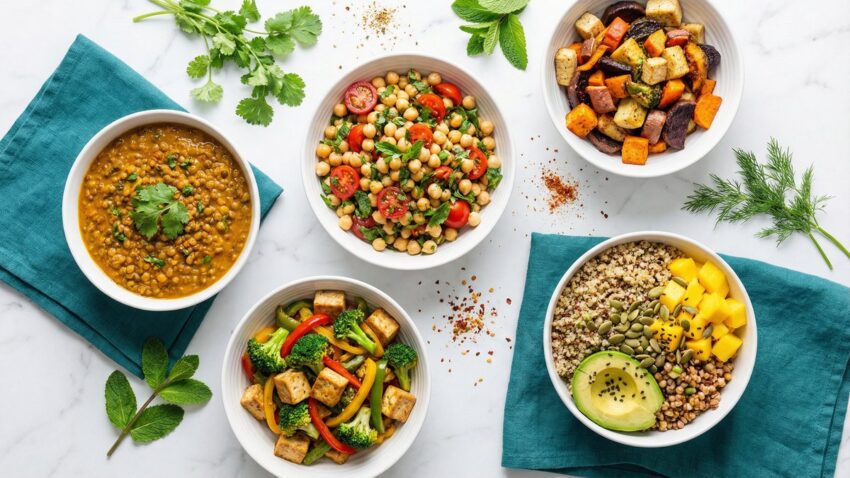
A well-planned plant-based diet is one of the most powerful dietary interventions for cardiovascular health in diabetes. Research consistently shows it reduces LDL cholesterol, lowers blood pressure, improves insulin sensitivity, and promotes weight loss — all while being environmentally sustainable. But it requires careful planning to avoid nutritional pitfalls. Here is how to do it right.
The Evidence for Plant-Based Diets in Diabetes
Multiple large studies have demonstrated the cardiovascular and metabolic benefits of plant-based eating in people with diabetes. A 2019 meta-analysis in JAMA Internal Medicine found that plant-based diets reduced HbA1c by 0.55%, fasting glucose by 0.86 mmol/L, and body weight by 2.7 kg compared to control diets. The Adventist Health Study-2, which followed over 96,000 participants, found that vegans had the lowest rates of type 2 diabetes, hypertension, and cardiovascular disease of any dietary group.
Key Nutritional Considerations for People with Diabetes
- Carbohydrate quality: Plant-based does not mean low-carb. Focus on low-GI carbohydrates (legumes, vegetables, wholegrains) and avoid refined carbs and fruit juices
- Vitamin B12: Found only in animal products — supplementation is essential for vegans
- Iron: Plant iron (non-haem) is less bioavailable — pair with vitamin C to enhance absorption
- Omega-3: ALA from flaxseed and walnuts is poorly converted to EPA/DHA — consider algae-based omega-3 supplements
- Calcium and Vitamin D: Ensure adequate intake through fortified foods or supplements
Best Plant-Based Protein Sources for Blood Sugar Control
| Protein Source | Protein per 100g | Carbs per 100g | GI |
|---|---|---|---|
| Tofu (firm) | 17g | 2g | Very low |
| Lentils (cooked) | 9g | 20g | Low (29) |
| Chickpeas (cooked) | 9g | 27g | Low (28) |
| Edamame | 11g | 8g | Low |
| Tempeh | 19g | 9g | Low |
A well-planned plant-based diet can significantly improve cardiovascular health and blood sugar control in diabetes. The key is focusing on whole plant foods — legumes, vegetables, wholegrains, nuts, and seeds — rather than processed plant-based products. If you are considering a fully vegan diet, work with a registered dietitian to ensure you are meeting all your nutritional needs, particularly B12, iron, calcium, and omega-3 fatty acids.
 English
  Urdu
Urdu