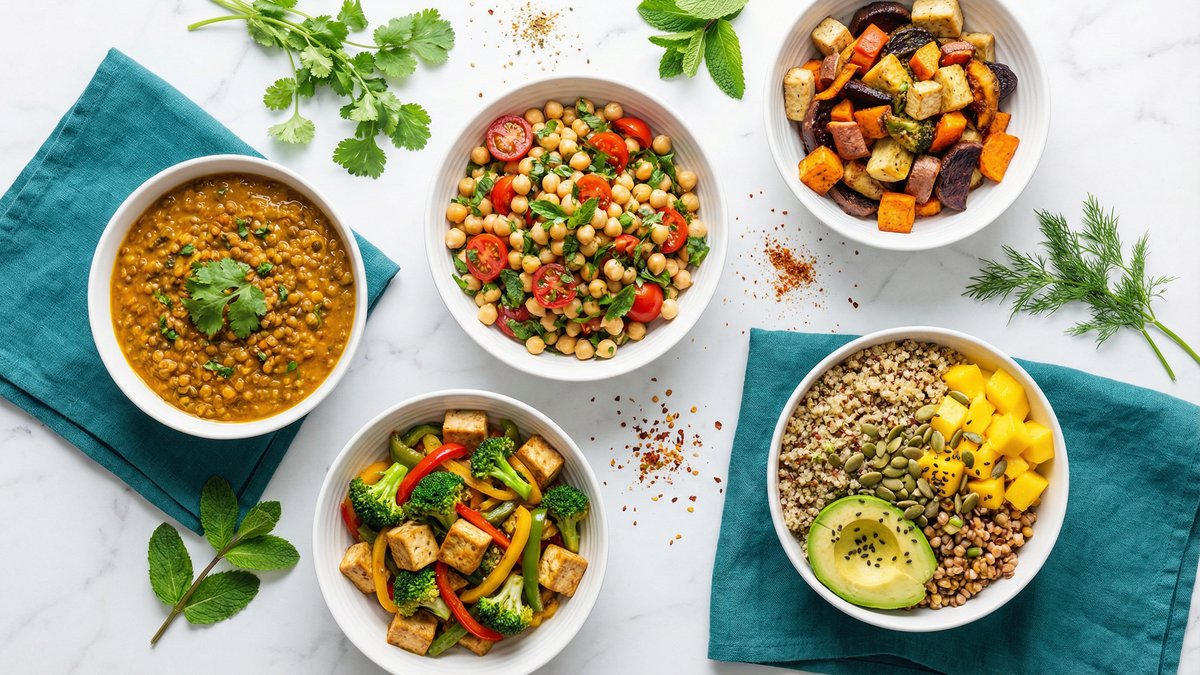
Plant-based eating can mean many things. For diabetes and heart health, the useful version emphasizes vegetables, beans, lentils, nuts, seeds, whole grains, fruit, and unsaturated fats while limiting ultra-processed foods and excess sodium.
Quick summary
AHA recommends healthy protein sources, mostly from plants, as part of a heart-healthy pattern. For diabetes, the key caveat is that plant-based foods can still contain carbohydrates, sodium, potassium, phosphorus, or saturated fat depending on the food.
Key takeaways
- Plant-based does not automatically mean low carb or low sodium.
- Beans, lentils, fruit, whole grains, and starchy vegetables may need portion planning.
- People with kidney disease should ask about potassium, phosphorus, sodium, and protein needs.
- A realistic shift can start with one plant-forward meal, not a full diet overhaul.
What plant-based can look like
A plant-forward meal might be lentil soup with salad, tofu and vegetables with a measured grain portion, bean chili with extra vegetables, oatmeal with nuts, or a vegetable plate with hummus and whole-grain pita. The goal is not to remove every animal food unless that fits your values and nutrition plan.
Carbs still count
Many nutritious plant foods contain carbs. CDC guidance explains that carb counting and the plate method can help manage glucose. Beans and lentils bring fiber and protein, but they still affect glucose. Pairing carbs with protein, fat, and fiber and checking glucose patterns can help personalize portions.
Heart-health advantages
AHA recommends choosing healthy protein sources, mostly from plant sources, and limiting processed meats. Replacing some processed or high-saturated-fat foods with beans, lentils, nuts, seeds, tofu, or fish can support a more heart-healthy pattern. The quality of the overall pattern matters more than the label.
Kidney and supplement cautions
People with kidney disease may need individualized limits for potassium, phosphorus, protein, sodium, and fluids. Some plant-based packaged foods are high in sodium or phosphorus additives. Vitamin B12, iron, calcium, vitamin D, iodine, and protein may need attention in stricter vegetarian or vegan patterns.
What to ask your care team
- Which plant proteins fit my glucose, kidney, and heart goals?
- Do I need carb counting for beans, grains, fruit, or starchy vegetables?
- Should I see a dietitian before going vegetarian or vegan?
- Do kidney disease or medicines change my potassium or protein limits?
Practical takeaway
Plant-based eating can support heart health with diabetes when it is built from whole foods, planned carbs, adequate protein, and individualized kidney guidance.
Safety note
Seek medical advice before major diet changes if you use insulin, have kidney disease, are pregnant, have an eating disorder history, or have frequent lows. Seek urgent care for severe glucose symptoms, ketones, vomiting, or fainting. This information is general education and is not a substitute for medical care.
Source summary
- AHA: Picking healthy proteins. AHA guidance on plant proteins, fish, lean proteins, and heart-healthy patterns. Source
- AHA: Benefits of beans and legumes. Explains legumes as plant-based protein in a healthy eating pattern. Source
- CDC: Diabetes meal planning. Explains the plate method, carb counting, portions, and individualized meal planning. Source
- NIDDK: Healthy living with diabetes. Patient guidance on meals, snacks, carbs, activity, sleep, and individualized care. Source
- CDC: Choosing healthy carbs. Explains portioning carbohydrate foods and pairing carbs with protein, fat, or fiber. Source